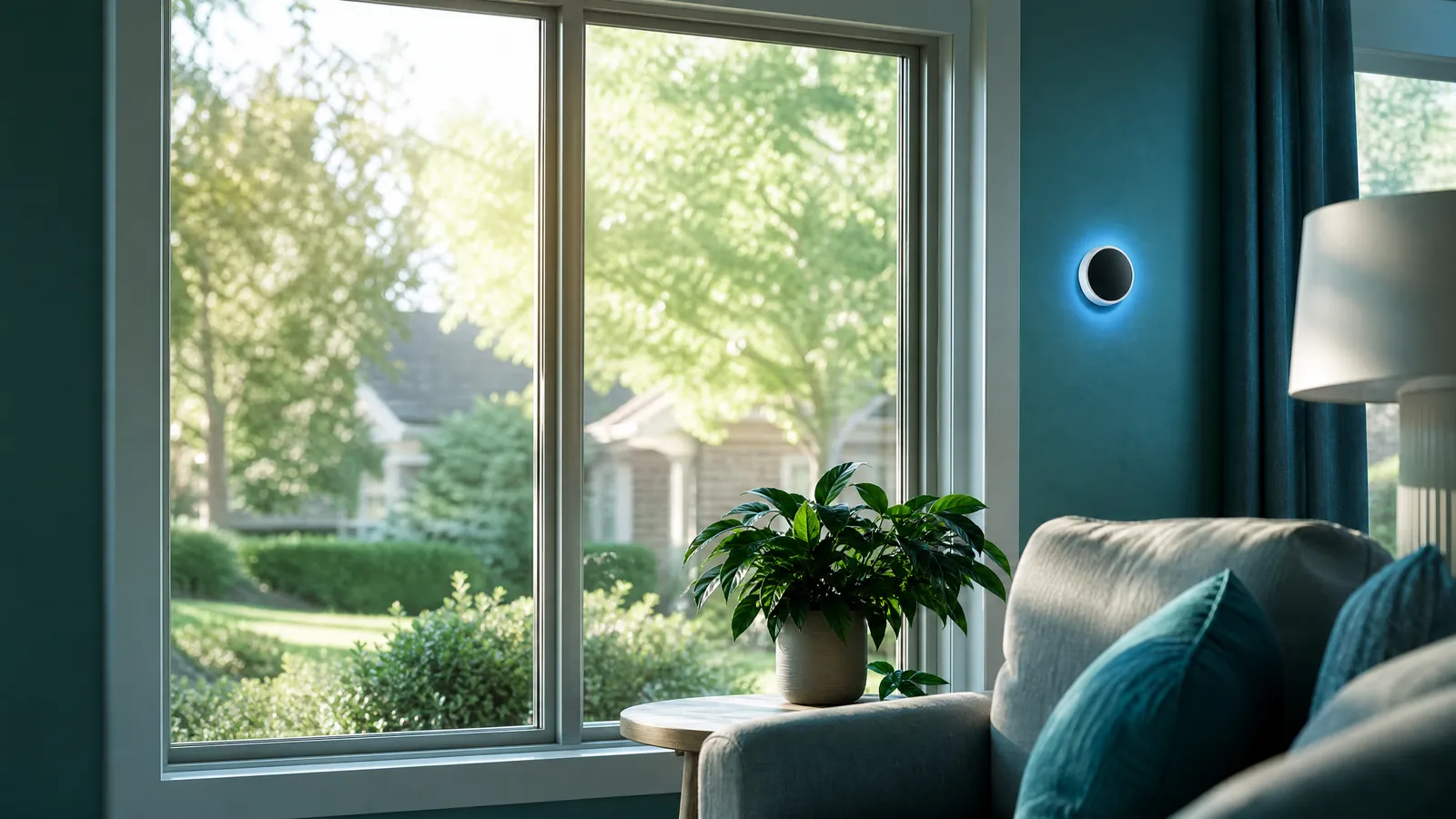
Texas homeowners know that keeping a house cool in the summer is one of the biggest household expenses. What many don't realize is that their windows play a crucial role in how much energy their home uses.
Understanding Window Energy Ratings
When evaluating window energy efficiency, there are several key metrics:
U-Factor
Measures how well a window prevents heat from escaping. Lower numbers are better. For Texas, look for U-factors of 0.30 or lower.
Solar Heat Gain Coefficient (SHGC)
Measures how much solar radiation passes through the window. In Texas, where cooling is the primary concern, you want a LOW SHGC (0.25 or lower) to keep solar heat out.
Visible Transmittance (VT)
Measures how much visible light passes through. Higher numbers mean more natural light.
Low-E Glass: The Game Changer
Low-emissivity (Low-E) glass has a microscopic metallic coating that reflects infrared radiation while allowing visible light to pass through. For Texas homes, Low-E glass can:
- Energy performance and utility-bill impact depend on the existing opening, selected glass package, orientation, home conditions, and utility rates; no bill savings are guaranteed.
- Block up to 99% of UV rays that fade furniture
- Maintain clear views while reducing glare
- Keep your home more comfortable year-round
Argon Gas Fill
The space between double-pane windows can be filled with argon gas instead of regular air. Argon is denser than air and provides better insulation, reducing heat transfer by an additional 15-20%.
Energy performance and utility-bill impact depend on the existing opening, selected glass package, orientation, home conditions, and utility rates; no bill savings are guaranteed. Project-scope and value considerations should be documented in the written estimate.
For a typical 2,000 sq ft Dallas-Fort Worth home, upgrading to Low-E glass with argon fill can save Pricing depends on the selected scope, dimensions, product, access, and installation conditions; see pricing and request a written quote. per year on energy costs. With our glass-only replacement approach, the upgrade typically pays for itself within 3-5 years.
Making the Upgrade
At Apex Windows, we offer energy-efficient glass upgrades as part of our foggy glass replacement service. When we replace your failed glass units, we can upgrade to Low-E glass with argon fill at a modest additional cost — giving you both clear windows and better energy performance.
Contact us at (214) 263-3008 to learn more about energy-efficient window options for your home.
From Collin County to Tarrant County, we serve the entire DFW metroplex. See all areas we cover and book your free window assessment.
If you live in <a href="/city/plano">Plano</a>, we offer Scheduling and installation timing depend on scope, product availability, access, weather, and site conditions; the project schedule is confirmed with your written quote.
Need Foggy Glass Replacement in Your Area?
We provide expert foggy glass replacement and window repair across the Dallas-Fort Worth metroplex. Click your city below for local pricing, neighborhoods served, and FAQs: