# What Causes Window Seals to Fail? The Science of Foggy Windows
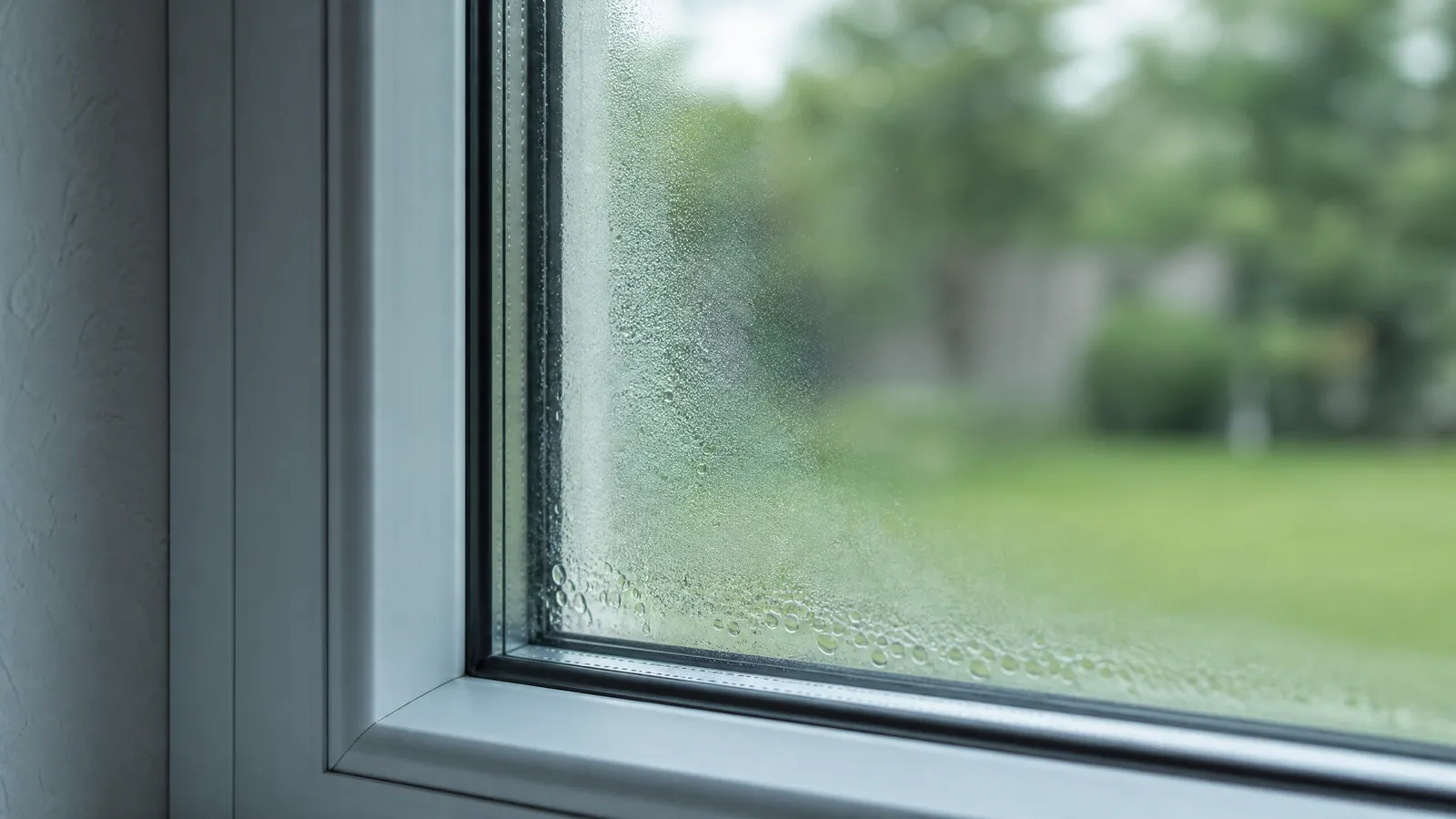
Have you noticed a persistent fog, haze, or condensation trapped between the panes of your double-pane windows? It’s a common problem for homeowners, and it’s a tell-tale sign that your window’s seal has failed. This isn’t just a cosmetic issue; it means your windows are no longer providing the insulation they were designed for. Understanding why these seals fail is the first step toward finding a permanent solution.
At Apex Windows TX, we specialize in restoring clarity and efficiency to your home by addressing the root cause of foggy windows. Let's delve into the science behind insulated glass and explore the common culprits of seal failure.
The Science Behind Insulated Glass Units (IGUs)
Modern double and triple-pane windows are sophisticated systems known as Insulated Glass Units, or IGUs. They consist of two or more panes of glass separated by a spacer bar. This spacer creates an airtight (hermetic) seal around the perimeter of the glass panes. The space between the panes is then filled with an inert, non-toxic gas, most commonly argon or krypton.
This gas is denser than regular air and acts as a superior insulator, slowing the transfer of heat. In the summer, it helps keep the Texas heat out, and in the winter, it keeps your home’s warmth in. The entire system relies on the integrity of that perimeter seal. When the seal is compromised, the window’s insulating properties are lost.
Key Components of an IGU:
Glass Panes: Two or three layers of glass form the main structure. Spacer: A frame that separates the glass panes and contains a desiccant material to absorb any residual moisture after manufacturing. Sealant: A flexible, durable sealant (often made of polyisobutylene or silicone) is applied around the spacer to create the hermetic seal. This is the most critical component for preventing failure. Inert Gas: Argon or Krypton gas fills the space, providing the thermal insulation.
Top 4 Causes of Window Seal Failure
A window seal doesn’t last forever. Several environmental and physical factors contribute to its eventual breakdown. Here are the most common reasons your window seals might fail.
1. Solar Pumping (Thermal Expansion)
This is by far the most significant factor, especially here in the Dallas-Fort Worth area where we experience intense sun and high temperatures. The process works like this:
- Heating: Direct sunlight heats the IGU, causing the air and gas inside to expand. This puts outward pressure on the glass panes and the seals.
- Cooling: As the sun sets and temperatures drop overnight, the gas cools and contracts, creating a vacuum effect that puts inward pressure on the seals.
This daily cycle of expansion and contraction is known as solar pumping. Over thousands of cycles, this constant flexing and stress weakens the sealant, eventually causing a small breach.
2. Age and Material Degradation
Like any material, the sealants used in IGUs have a finite lifespan. Constant exposure to the elements, particularly UV radiation from the sun, causes the chemical compounds in the sealant to break down. They can become brittle, lose their flexibility, and crack, compromising the airtight seal. Most high-quality IGUs are designed to last 15-20 years, but this can be shortened by harsh environmental conditions.
3. Improper Window Installation
A window frame that is not installed perfectly square, level, and plumb can put uneven stress on the IGU. If the frame is warped or twisted, it can pinch or strain the glass unit, leading to premature failure of the seal. Furthermore, poor drainage around the window frame can cause water to pool against the edge of the IGU, accelerating the degradation of the sealant.
4. Water and Moisture Exposure
Constant exposure to moisture is an enemy of window seals. This can come from misdirected sprinklers constantly spraying the glass, pressure washing too close to the window edges, or failed caulking around the window frame that allows water to seep in. The moisture attacks the sealant, causing it to deteriorate and lose its bond with the glass.
What Happens When a Seal Fails?
Once a breach occurs, the carefully balanced system inside the IGU is disrupted.
First, the insulating argon or krypton gas escapes, and is replaced by ordinary air. Immediately, the window loses a significant portion of its R-value, or insulating power. Your HVAC system will have to work harder to maintain a comfortable temperature, leading to higher energy bills.
Next, the air that enters the unit contains moisture. The desiccant material inside the spacer will absorb this moisture for a while, but it quickly becomes saturated. Once the desiccant can’t hold any more water, the moisture has nowhere to go. As temperatures fluctuate, this trapped moisture condenses on the cooler glass surfaces, creating the signature fog, haze, or water droplets between the panes that you can't wipe away.
Your Clear Solution for Foggy Windows in Dallas-Fort Worth
Once a window seal has failed, the only effective and lasting solution is to replace the Insulated Glass Unit. Some companies may offer quick-fix “de-fogging” services, but these are temporary at best and do not restore the window’s insulating properties.
At Apex Windows TX, we don’t just fix the symptom; we solve the problem. We replace the failed IGU with a brand-new, custom-built unit. This process is much more efficient and affordable than a full window replacement, saving you 50-70% of the cost. Our new IGUs are manufactured with advanced sealants and come with a 10-Year IGU manufacturer warranty + Apex 1-Year workmanship warranty against seal failure, giving you peace of mind and a clear view for years to come.
If you’re tired of looking through foggy, inefficient windows, it’s time to take action. Contact the experts at Apex Windows TX for a free, no-obligation estimate. Let us show you how simple and affordable it can be to restore the beauty and energy efficiency of your home.
Don't Wait for the Fog to Thicken!
Foggy windows are more than just an eyesore—they are a sign of energy loss. For a permanent solution to failed window seals in the Dallas-Fort Worth metroplex, call Apex Windows & Glass today at (214) 263-3008. Restore your view and your home's efficiency with our expert glass replacement services!
Apex Windows serves homeowners across all of Dallas-Fort Worth. Check if we serve your area and get a free, no-obligation quote.
We proudly serve Carrollton and surrounding neighborhoods with expert window repair.
Need Foggy Glass Replacement in Your Area?
We provide expert foggy glass replacement and window repair across the Dallas-Fort Worth metroplex. Click your city below for local pricing, neighborhoods served, and FAQs:
About the Author
Dan Dover
Co-Owner & Operations Director, Apex Windows & Glass
Dan Dover co-founded Apex Windows & Glass alongside Alvin Paulson, bringing a background in construction management and residential contracting to the business. Dan oversees day-to-day operations, customer relations, and the company's expansion across 50+ cities in the Dallas-Fort Worth metroplex. With deep roots in the DFW construction industry, Dan understands the unique challenges Texas homeowners face — from extreme summer heat that accelerates window seal failure to hail storms that crack glass overnight. He is passionate about educating homeowners on the cost savings of glass-only replacement versus full window replacement, and ensuring every Apex Windows customer receives honest, transparent service.