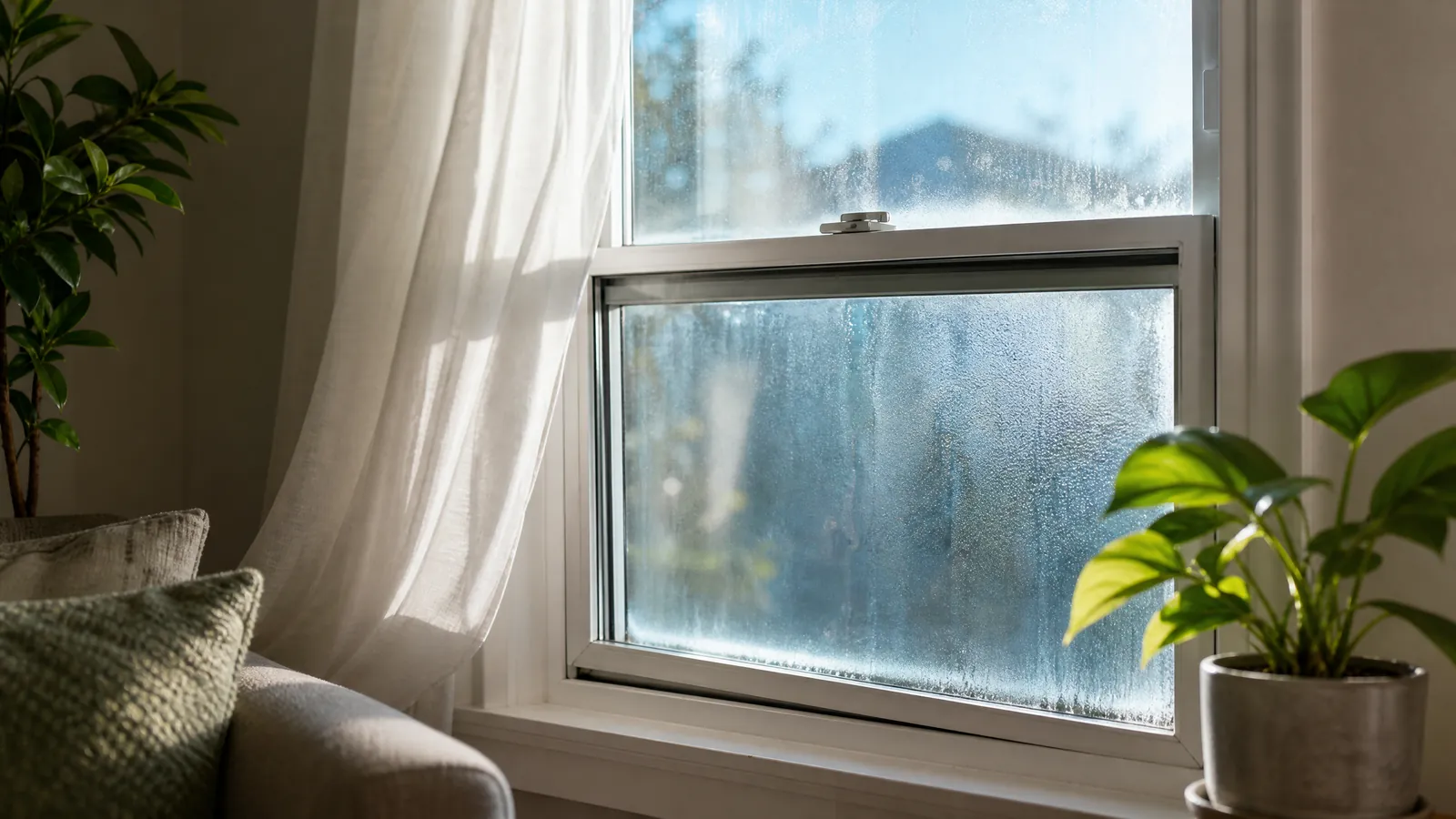
# 7 Clear Signs Your Windows Are Failing and Need Attention
As a homeowner, you rely on your windows to provide natural light, security, and protection from the elements. But like any other part of your home, windows have a lifespan. Over time, seals can break, frames can warp, and mechanisms can fail, leading to a host of problems that can affect your comfort, energy bills, and even your home's structural integrity. Ignoring the warning signs of window failure can lead to more significant and costly issues down the road.
Many homeowners in the Dallas-Fort Worth area, with its dynamic climate of hot summers and occasional cold snaps, find their windows are particularly susceptible to wear and tear. The constant expansion and contraction can take a toll. But how can you tell if your windows are just a little old or if they are truly failing? At Apex Windows TX, we believe in empowering homeowners with the knowledge to make informed decisions. This guide will walk you through seven clear signs that your windows are failing and require professional attention.
Unmistakable Symptoms of Window Decline
Window issues often start small but can escalate quickly. Being able to spot these early warning signs can save you significant money and hassle. Instead of a full, costly window replacement, a timely repair can often solve the problem for 50-70% less. Here are the key indicators to watch for.
1. Condensation Between Glass Panes
One of the most definitive signs of window failure is the appearance of condensation, fog, or a hazy film between the layers of glass in a double or triple-pane window. This is not the same as condensation on the exterior or interior surface of the window, which is often a normal result of humidity differences. When moisture gets trapped between the panes, it means the hermetic seal has been compromised. This seal contains an inert gas (like argon or krypton) that provides insulation. Once that seal is broken, the gas escapes, and moist air enters, drastically reducing the window's energy efficiency. You'll notice your HVAC system working harder to maintain a comfortable temperature, leading to higher energy bills. This is a problem that cannot be wiped away and requires professional repair to replace the insulated glass unit (IGU).
2. Drafts and Air Leaks
Can you feel a noticeable breeze when you stand near your closed windows on a windy day? Drafts are a tell-tale sign that your windows are no longer providing a proper seal against the outdoors. These leaks can occur due to a variety of reasons: worn-out weatherstripping, warped window frames (common in wood or vinyl windows exposed to Texas heat), or failing seals around the sash. A simple way to test for drafts is to hold a lit candle or incense stick near the edges of the window. If the flame or smoke flickers, you have an air leak. These drafts not only make your home less comfortable but also allow conditioned air to escape and outdoor allergens and dust to enter.
3. Difficulty Opening and Closing
A window that is difficult to operate is more than just an annoyance; it can be a serious safety hazard in an emergency. Windows can become hard to open or close for several reasons. The house's foundation may have settled over time, causing the window frame to become un-square. The frame material itself might have warped or swollen due to moisture and temperature changes. In other cases, the window's hardware, such as the balances, cranks, or latches, may be broken or worn out. You shouldn't have to use excessive force to operate your windows. If you're struggling with them, it's a clear sign that a component is failing and needs to be addressed.
4. Audible Outdoor Noise
Modern windows are designed to provide a barrier against more than just the weather; they also help to insulate your home from outside noise. If you've started to notice that street traffic, neighborhood sounds, or even conversations from outside seem louder than they used to, it could be a sign that your windows' seals are failing. The same gaps that let in drafts also allow sound waves to pass through more easily. The insulating gas in double-pane windows also plays a role in dampening sound, so if the seal is broken, the noise reduction properties are diminished. A quiet and peaceful home environment is a key benefit of well-functioning windows.
5. Water Damage, Rot, or Decay
Visible signs of water damage around your window frames are a serious red flag. This can manifest as peeling paint, discoloration, or soft spots on the frame or surrounding wall. For wood frames, this moisture can lead to rot and decay, compromising the structural integrity of the window. For vinyl or metal frames, while they won't rot, the moisture can still lead to mold and mildew growth, which poses a health risk. Water intrusion indicates a failure in the window's ability to keep the elements out, likely due to a combination of failing seals and poor drainage. Don't ignore these signs, as prolonged water damage can lead to much larger structural repairs.
6. Rising Energy Bills
Have your heating and cooling costs been creeping up without any other explanation? Your windows could be the culprit. Failing windows lose their insulating properties, forcing your HVAC system to run longer and harder to keep your home comfortable. The U.S. Department of Energy estimates that heat gain and loss through windows are responsible for 25%–30% of residential heating and cooling energy use. When seals fail, drafts appear, and the insulating gas is gone, your windows become inefficient thermal holes in your walls. Tracking your energy usage can be a great way to diagnose a decline in your windows' performance over time.
7. Cracked, Chipped, or Damaged Glass
While a small crack or chip in a single pane of glass might seem like a minor cosmetic issue, it should not be ignored. A crack compromises the window's structural integrity and can easily spread, especially with the temperature fluctuations common in Texas. Even a small crack can break the seal on an insulated glass unit, leading to the problems with condensation and energy loss mentioned earlier. It's also a security risk, making your home more vulnerable to break-ins. Fortunately, in many cases, the glass unit can be replaced without needing to replace the entire window frame, offering a cost-effective solution.
Your Next Steps for Healthier Windows
If you've recognized one or more of these seven signs in your home's windows, it's time to take action. Ignoring these issues will only lead to greater energy loss, potential water damage, and decreased comfort. While some minor issues like cleaning tracks or simple weatherstripping might be a DIY fix, problems like broken seals, warped frames, and damaged glass require professional expertise.
At Apex Windows TX, we specialize in repairing and restoring windows, not just replacing them. Our expert technicians can replace foggy or broken insulated glass units, fix failing hardware, and seal drafts, often saving you 50-70% compared to the cost of a full window replacement. We stand by our work with a 10-Year IGU manufacturer warranty + Apex 1-Year workmanship warranty on our glass repairs. Don't let failing windows compromise your comfort and budget. Contact Apex Windows TX today at (214) 263-3008 for a free estimate and let our experts restore the clarity, efficiency, and function of your windows.
Serving the entire Dallas-Fort Worth metroplex — find foggy window repair near you or call (214) 263-3008 for a free estimate.
Our technicians are available for foggy glass repair in Richardson and nearby areas.
Need Foggy Glass Replacement in Your Area?
We provide expert foggy glass replacement and window repair across the Dallas-Fort Worth metroplex. Click your city below for local pricing, neighborhoods served, and FAQs:
About the Author
Alvin Paulson
Co-Owner & Lead Technician, Apex Windows & Glass
Alvin Paulson co-founded Apex Windows & Glass and brings over 30 years of hands-on expertise in foggy glass replacement, insulated glass unit (IGU) repair, and energy-efficient window upgrades. Born and raised in North Texas, Alvin has personally assessed and repaired thousands of windows across the Dallas-Fort Worth metroplex — from historic McKinney homes to new-build subdivisions in Frisco and Prosper. He is a licensed glazier and holds certifications in Low-E glass installation and argon gas window systems. Alvin's philosophy is simple: replace only what's broken, save the homeowner money, and back every job with a 10-Year IGU manufacturer warranty + Apex 1-Year workmanship warranty.