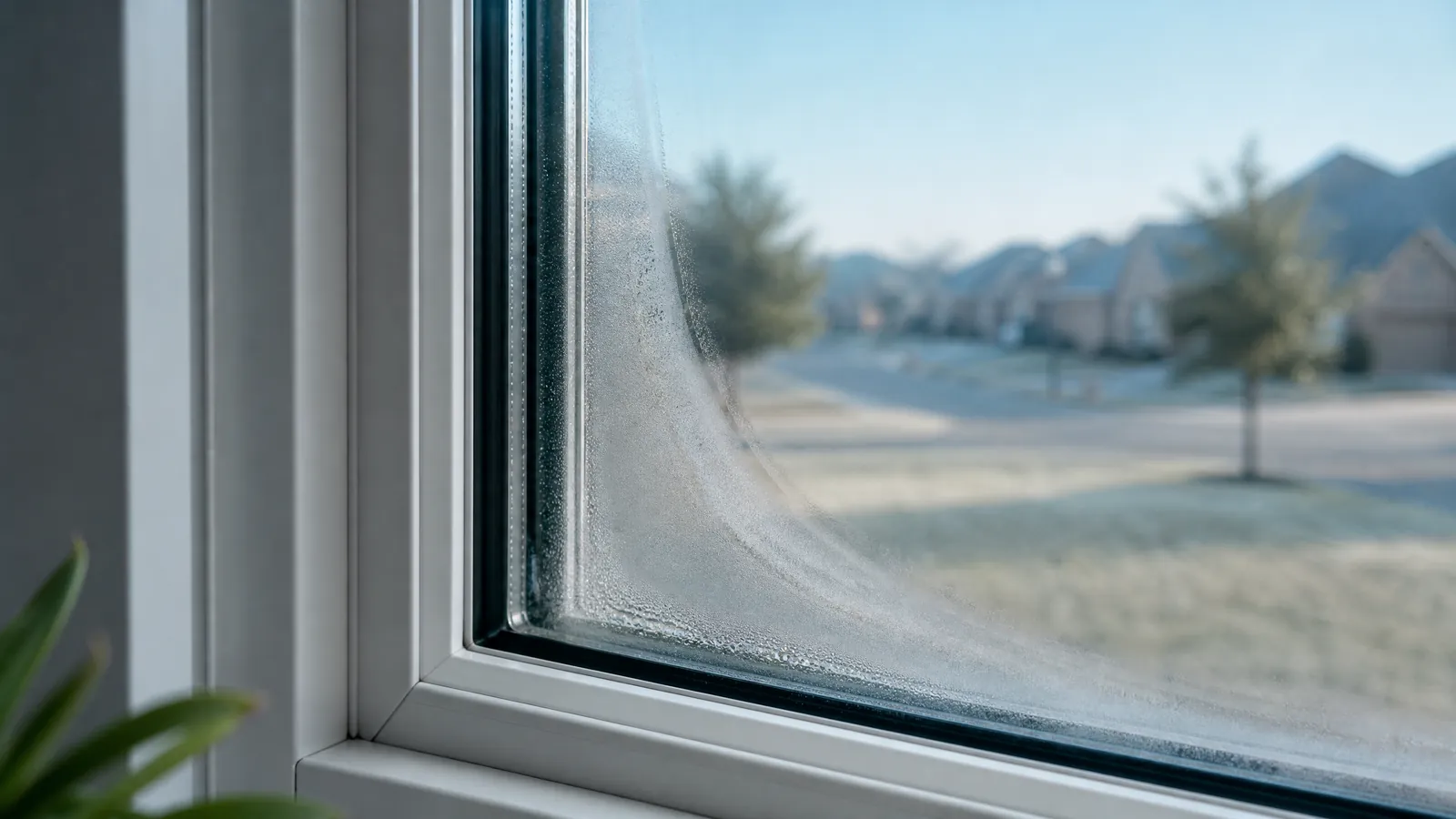
Modern double-pane windows are marvels of engineering, designed to keep your home comfortable while minimizing energy costs. A key component of this efficiency is the invisible, odorless gas trapped between the glass panes—most commonly argon. However, window seals are not invincible. Over time, they can degrade, allowing this precious insulating gas to escape. Understanding the signs of an argon gas leak can help you address the issue before it significantly impacts your home's energy efficiency and comfort.
The Role of Argon Gas in Double-Pane Windows
To understand why an argon gas leak is problematic, it is helpful to know why the gas is there in the first place. Double-pane windows, also known as Insulated Glass Units (IGUs), consist of two panes of glass separated by a spacer. The space between these panes is filled with a dense, inert gas like argon.
Argon is heavier and denser than the standard air we breathe. Because of its density, it acts as a superior thermal barrier, minimizing the transfer of heat through the window. During the sweltering Texas summers, argon helps keep the intense heat outside. In the winter, it prevents your home's cozy warmth from escaping. When the seal holding this gas intact fails, the argon slowly leaks out and is replaced by regular, moisture-laden air, drastically reducing the window's insulating properties. This invisible shield is what makes modern windows so much more effective than the single-pane windows of the past.
Top Signs Your Windows Have an Argon Gas Leak
Because argon is completely invisible and odorless, you will not be able to see or smell a leak as it happens. Instead, you must look for the secondary symptoms that indicate the gas has escaped and the window seal has failed.
1. Reduced Insulation and Temperature Fluctuations
One of the earliest indicators of an argon gas leak is a noticeable change in the temperature immediately surrounding the window. If you stand near your double-pane window on a hot afternoon and feel a significant amount of heat radiating through the glass, the insulating barrier has likely been compromised. Similarly, during colder months, the glass may feel exceptionally cold to the touch, and you might notice drafts even when the window is tightly shut.
For Irving homeowners noticing reduced window performance, this sudden lack of temperature regulation is often the first clue that the window's thermal integrity is failing. Rooms that were once comfortable may suddenly feel drafty in the winter or uncomfortably warm in the summer, forcing you to adjust your thermostat more frequently.
2. Condensation Patterns Inside the Glass
Perhaps the most definitive visual proof of an argon gas leak is the appearance of condensation, fog, or a milky haze between the two panes of glass. When the window seal breaks, the argon gas escapes, and ambient air is drawn into the space between the panes. This ambient air carries moisture. When the temperature outside fluctuates, this trapped moisture condenses on the inside surfaces of the glass.
Unlike condensation on the exterior or interior of your home—which can be wiped away—this internal fog is trapped. Over time, the constant cycle of condensation and evaporation can leave behind mineral deposits, creating a permanent, cloudy stain on the glass that obstructs your view and diminishes your home's curb appeal.
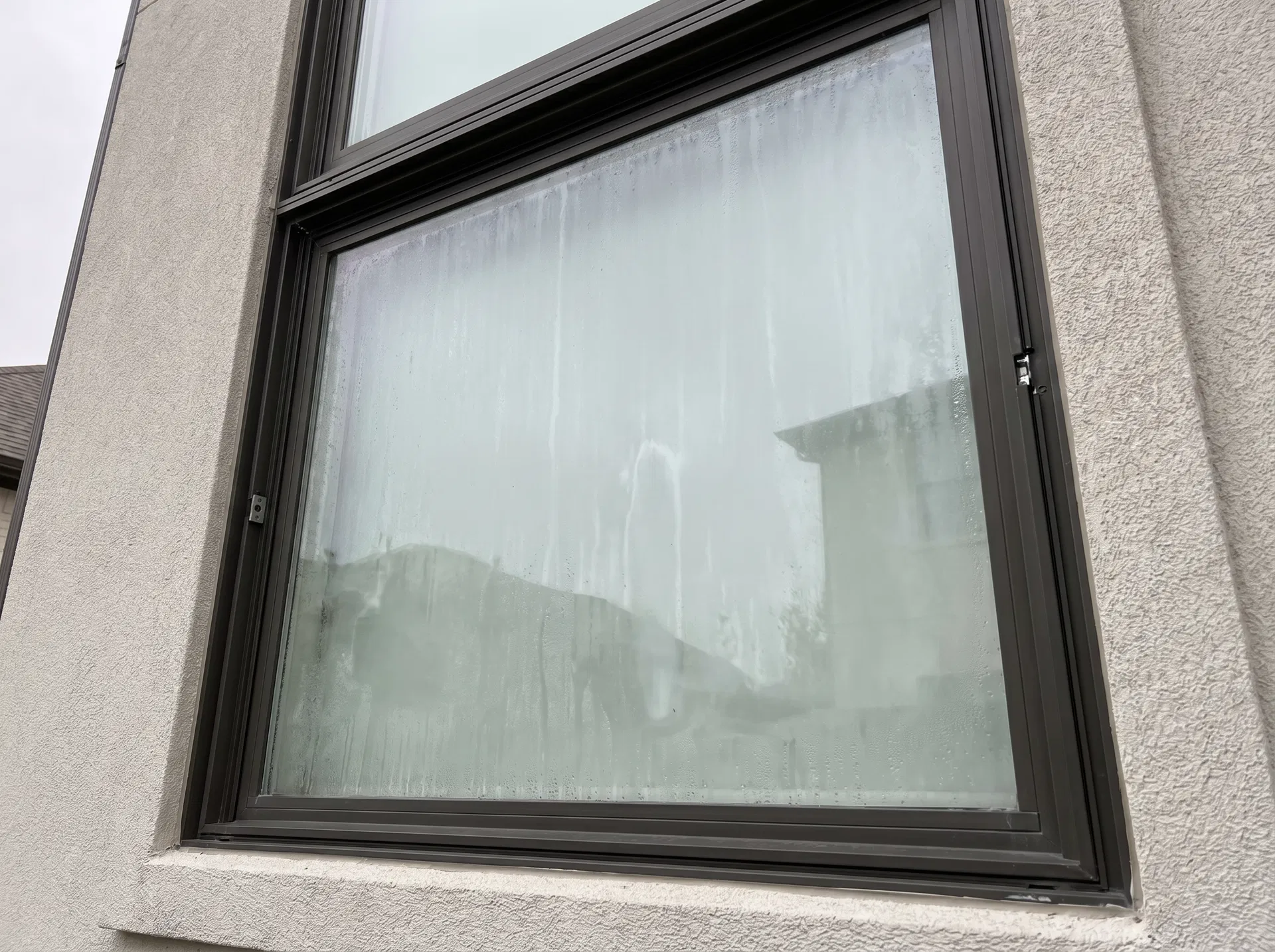
A classic example of a failed window seal where argon gas has escaped, leading to trapped moisture and a foggy appearance.
3. Visible Frost or Ice Buildup
In colder weather, the moisture that has replaced the argon gas can freeze. If you notice frost or delicate ice crystals forming between the panes of your double-pane windows, it is a clear sign of seal failure. The lack of insulating argon allows the inner pane of glass to become cold enough to freeze the trapped moisture. This not only looks unsightly but also confirms that the window is no longer providing the thermal protection it was designed for.
4. Unexplained Increases in Energy Bills
Your HVAC system relies on the thermal envelope of your home to maintain a consistent temperature efficiently. When your windows lose their argon gas, they lose a significant portion of their insulating power. As a result, your heating and cooling systems must work harder and run longer to compensate for the thermal transfer occurring through the compromised windows. If you notice a steady, unexplained increase in your monthly energy bills, failing window seals could be the culprit. Over time, the cost of this wasted energy can add up significantly.
The Relationship Between Argon Loss and Seal Failure
It is important to understand that an argon gas leak and a failed window seal are essentially the same problem. The seal around the perimeter of the IGU is designed to be airtight, keeping the argon in and the outside air out.
Several factors can cause this seal to degrade over time:
- Solar Pumping: As the sun heats the window during the day, the gas inside expands, putting pressure on the seals. At night, the window cools, and the gas contracts. This daily cycle of expansion and contraction, known as solar pumping, eventually weakens and breaks the seal.
- Age and Wear: Even the highest quality window seals have a lifespan. Over decades, the materials can become brittle and crack due to constant exposure to the elements.
- Improper Installation: If the window was not installed correctly, uneven pressure can cause premature seal failure.
- Water Damage: Prolonged exposure to standing water or poor drainage around the window frame can deteriorate the sealing materials.
Once the seal is broken, the argon gas, which is under slight pressure, will naturally dissipate into the atmosphere, leaving your window vulnerable to moisture intrusion.
Can Argon Gas Be Refilled?
A common question homeowners ask when they discover a leak is whether the window can simply be "topped off" or refilled with argon gas. Unfortunately, the answer is no.
The manufacturing process of an Insulated Glass Unit involves precisely filling the space with gas and hermetically sealing it in a controlled factory environment. Once that factory seal is broken in a residential setting, it cannot be reliably repaired or resealed to hold gas again. Even if it were possible to inject new argon into the window, without a perfectly intact seal, the gas would simply leak out again almost immediately.
Furthermore, any moisture or mineral deposits that have already accumulated inside the window cannot be effectively cleaned out. The structural integrity of the unit has been compromised, and attempting a temporary fix will only lead to more frustration down the road.
The Solution: Insulated Glass Unit (IGU) Replacement
If your windows are showing signs of an argon gas leak, the most effective and permanent solution is to replace the Insulated Glass Unit.
The good news is that you do not necessarily need to replace the entire window frame. In most cases, a professional glass technician can carefully remove the compromised IGU from your existing window frame and install a brand-new, factory-sealed unit in its place. This process, often referred to as foggy glass repair, restores the window's energy efficiency, eliminates the unsightly condensation, and is significantly more cost-effective than a full window replacement.
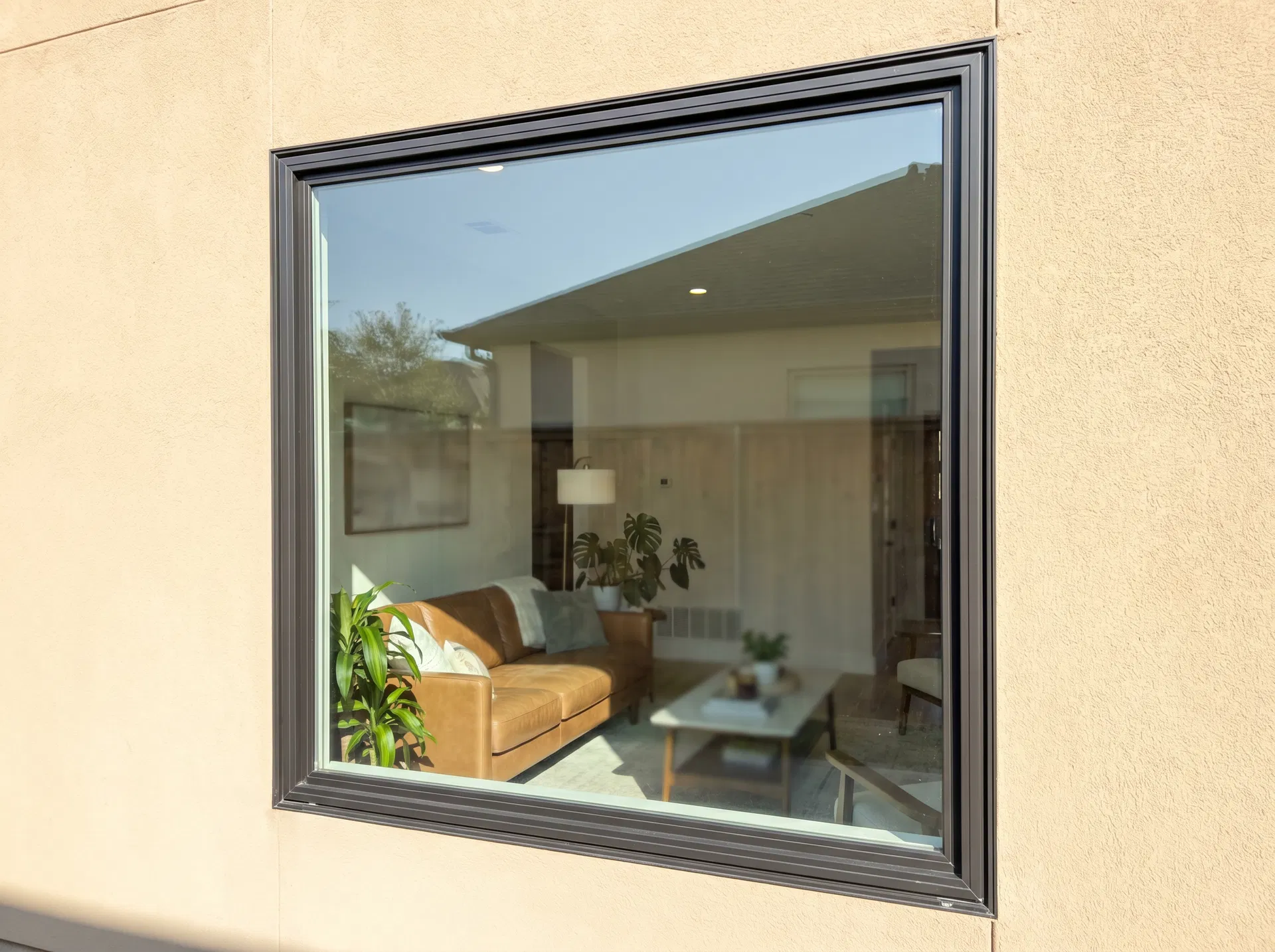
The same window after a professional IGU replacement, restoring clarity and thermal efficiency without the need to replace the entire window frame.
Practical Advice for Homeowners
To maximize the lifespan of your double-pane windows and delay the inevitable degradation of the seals, consider the following maintenance tips:
- Regular Inspections: Make it a habit to inspect your windows seasonally. Look for early signs of condensation between the panes, especially during periods of extreme temperature changes. Catching a failure early can help you plan for replacement before energy costs spike.
- Maintain Window Frames: Keep the tracks and weep holes (the small drainage holes at the bottom of the frame) clean and free of debris. Proper drainage prevents water from pooling around the glass seals and causing premature deterioration.
- Avoid Pressure Washing: Never use a high-pressure washer directly on your windows. The intense force can easily compromise the seals and force water into the IGU, accelerating the failure process.
- Check Caulking and Weatherstripping: Ensure the exterior caulking around the window frame is intact to prevent water intrusion into the wall cavity, which can indirectly affect the window's structural integrity.
By staying vigilant and understanding the signs of an argon gas leak, you can take proactive steps to maintain your home's comfort and energy efficiency. When a seal does fail, recognizing that IGU replacement is the standard, effective remedy will save you time and frustration.
If you are dealing with foggy windows, drafts, or suspect your window seals have failed, professional help is just a phone call away. Contact Apex Windows TX at (214) 263-3008 to discuss your glass replacement options and restore the clarity and efficiency of your home's windows.
Need Foggy Glass Replacement in Your Area?
We provide expert foggy glass replacement and window repair across the Dallas-Fort Worth metroplex. Click your city below for local pricing, neighborhoods served, and FAQs:
About the Author
Alvin Paulson
Co-Owner & Lead Technician, Apex Windows & Glass
Alvin Paulson co-founded Apex Windows & Glass and brings over 30 years of hands-on expertise in foggy glass replacement, insulated glass unit (IGU) repair, and energy-efficient window upgrades. Born and raised in North Texas, Alvin has personally assessed and repaired thousands of windows across the Dallas-Fort Worth metroplex — from historic McKinney homes to new-build subdivisions in Frisco and Prosper. He is a licensed glazier and holds certifications in Low-E glass installation and argon gas window systems. Alvin's philosophy is simple: replace only what's broken, save the homeowner money, and back every job with a 10-Year IGU manufacturer warranty + Apex 1-Year workmanship warranty.