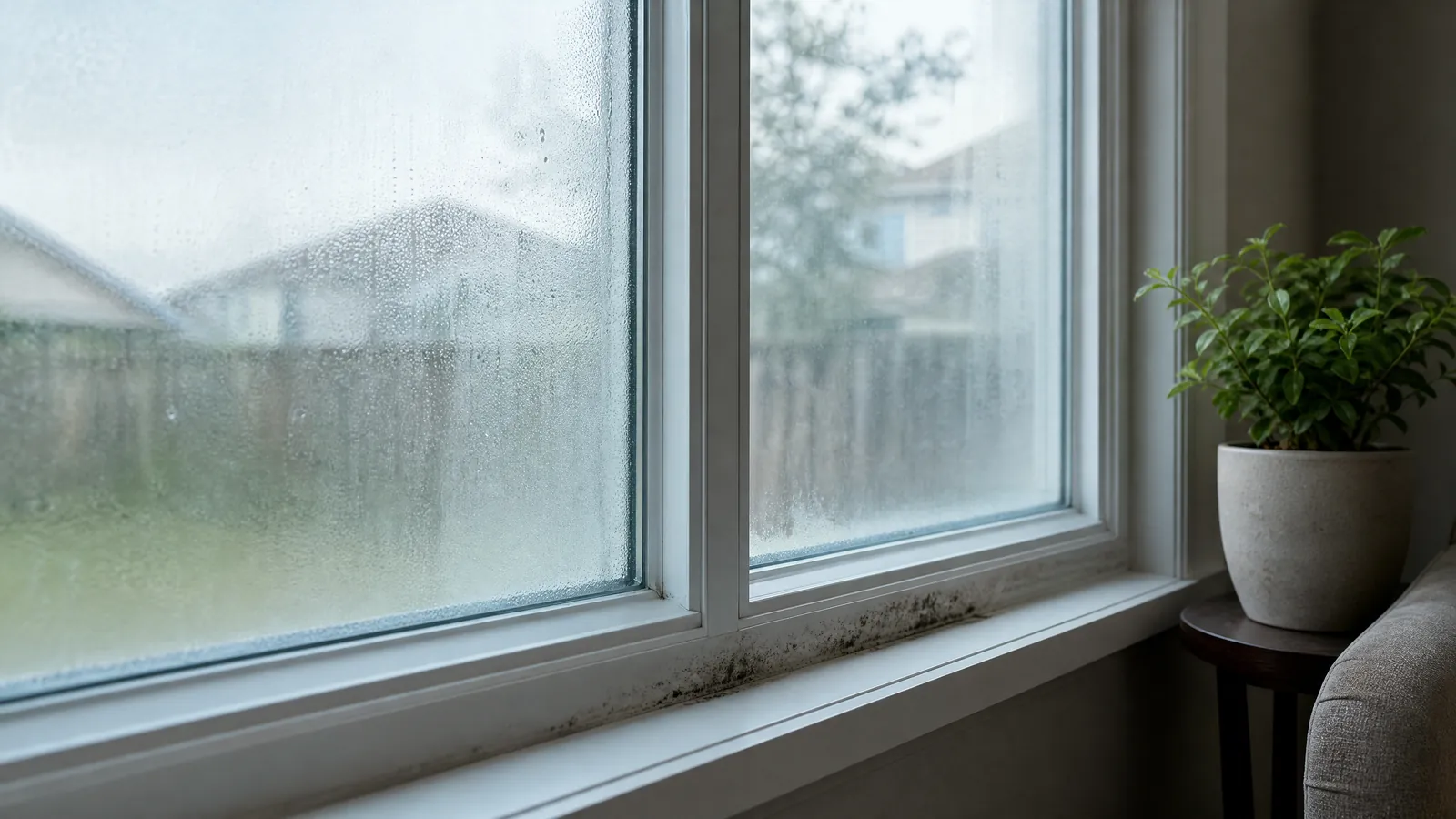
Have you noticed a persistent haze or condensation trapped between the panes of your double-pane windows? While foggy glass is certainly an eyesore that ruins your view, many homeowners wonder if it poses a more serious threat to their property. Specifically, can foggy windows lead to mold growth in your home?
The short answer is yes. While the fog itself is just trapped moisture, the underlying issue—a failed window seal—creates an environment where mold can thrive. Understanding the connection between failed window seals, excess moisture, and mold risk is crucial for maintaining a healthy living space and protecting your home from structural damage.
Understanding the Connection Between Foggy Windows and Moisture
To understand how foggy windows relate to mold, it is important to first understand why windows fog up in the first place. Modern energy-efficient windows are constructed using two or three panes of glass separated by a spacer. The space between these panes is typically filled with an insulating gas, such as argon or krypton, and the entire unit is sealed airtight.
What Causes Windows to Fog Up?
Over time, exposure to sunlight, temperature fluctuations, and general wear and tear can cause the airtight seal around the insulated glass unit (IGU) to degrade and eventually fail. When the seal breaks, the insulating gas escapes, and outside air carrying moisture is drawn into the space between the panes.
When the temperature of the glass drops, the trapped moisture condenses into water droplets, creating the foggy appearance you see. This condensation is a clear indicator that the window is no longer functioning as designed and that moisture is actively penetrating the window assembly.
How Condensation Creates a Breeding Ground for Mold
Mold spores are naturally present in the air all around us, both indoors and outdoors. However, for mold to grow and multiply, it requires three things: oxygen, a food source (such as wood, drywall, or dust), and moisture.
When a window seal fails, the continuous cycle of condensation provides a steady supply of moisture. The water droplets trapped between the panes can eventually pool at the bottom of the window unit. More importantly, the loss of insulating properties means the interior pane of glass becomes colder during the winter months. This cold surface attracts even more condensation from the warm, humid air inside your home. As this condensation drips down the glass, it saturates the surrounding window frames, sills, and drywall, creating the perfect breeding ground for mold.
The Hidden Dangers of Failed Window Seals
The presence of mold around your windows is not just a cosmetic issue; it can have significant implications for both your home's structural integrity and your family's health.
Water Damage to Frames and Sills
As condensation from failed seals drips onto window frames and sills, it can cause extensive water damage over time. Wooden frames are particularly vulnerable. Prolonged exposure to moisture can cause the wood to warp, rot, and decay. This not only compromises the structural integrity of the window but also provides an abundant food source for mold.
Even if you have vinyl or aluminum windows, the moisture can seep into the surrounding drywall and insulation, leading to hidden mold growth inside your walls. By the time you notice a musty smell or visible discoloration, the damage may already be extensive.
Health Risks Associated with Indoor Mold
Indoor mold growth can significantly impact your home's air quality. As mold colonies grow, they release spores and volatile organic compounds (VOCs) into the air. Exposure to these spores can trigger allergic reactions, respiratory issues, and asthma attacks, particularly in sensitive individuals, children, and the elderly. Symptoms of mold exposure often include sneezing, coughing, watery eyes, skin irritation, and difficulty breathing.
Spotting the Signs of Mold Around Your Windows
Early detection is key to preventing widespread mold growth and water damage. Regularly inspect your windows for the following warning signs:
Visible Discoloration: Look for black, green, or brown spots along the window casing, sill, or the sealant around the glass. Musty Odors: A persistent, earthy, or musty smell near your windows is a strong indicator of hidden mold growth. Peeling Paint or Wallpaper: Moisture seeping into the walls around the window can cause paint to bubble or peel and wallpaper to detach. Soft or Spongy Wood: Press gently on wooden window frames and sills. If the wood feels soft or crumbles easily, it is likely rotting due to moisture exposure.
When Foggy Windows Indicate a Broader Moisture Problem
Sometimes, foggy windows are a symptom of a larger moisture issue within the home. If you notice excessive condensation on the interior surface of multiple windows—not just between the panes—it may indicate that your indoor humidity levels are too high.
Activities such as cooking, showering, and even breathing release moisture into the air. Without adequate ventilation, this moisture becomes trapped indoors and condenses on cold surfaces like windows. High indoor humidity not only exacerbates the condensation on windows with failed seals but also increases the risk of mold growth throughout the entire house, including in bathrooms, kitchens, and basements.
For Garland homeowners concerned about moisture and mold, addressing both the failed window seals and the overall indoor humidity is essential for a long-term solution.
Practical Steps to Prevent Mold Growth Around Windows
Taking proactive measures can help you manage moisture and reduce the risk of mold growth around your windows.
Manage Indoor Humidity Levels
Aim to keep your indoor humidity levels between 30% and 50%. You can monitor this using a simple hygrometer. To reduce humidity, ensure your home is properly ventilated. Use exhaust fans in the kitchen and bathrooms, and make sure your clothes dryer vents to the outside. In particularly humid climates or during certain seasons, using a dehumidifier can help remove excess moisture from the air.
Clean and Inspect Window Tracks Regularly
Dirt, dust, and dead insects can accumulate in window tracks, providing a food source for mold. Regularly clean the tracks and wipe down the window frames with a mild detergent. Ensure that the weep holes—small drainage holes at the bottom of the window frame—are clear of debris so that any water that enters the track can drain properly to the outside.
Address Failed Window Seals Promptly
The most effective way to stop condensation between the panes and prevent the associated mold risk is to address the failed window seal. Wiping the glass or using a dehumidifier will not fix the underlying problem of a broken seal.
Fortunately, you do not necessarily need to replace the entire window. Professional foggy glass repair involves Apex provides glass-only repair and replacement where appropriate, as well as full-window replacement and other window and glass services. The recommended scope follows an on-site assessment.. This process restores the window's insulating properties, eliminates the fog, and stops the cycle of condensation that leads to mold growth.
Restoring Your Windows and Protecting Your Home
Ignoring foggy windows can lead to more severe problems down the road, including structural damage and health concerns related to mold exposure. By understanding the connection between failed seals and moisture, you can take the necessary steps to protect your home.
Replacing the affected glass units not only improves the appearance of your home but also ensures that your windows are providing the energy efficiency and protection they were designed for.
Here is an example of how replacing the glass can transform a window and eliminate the moisture problem:
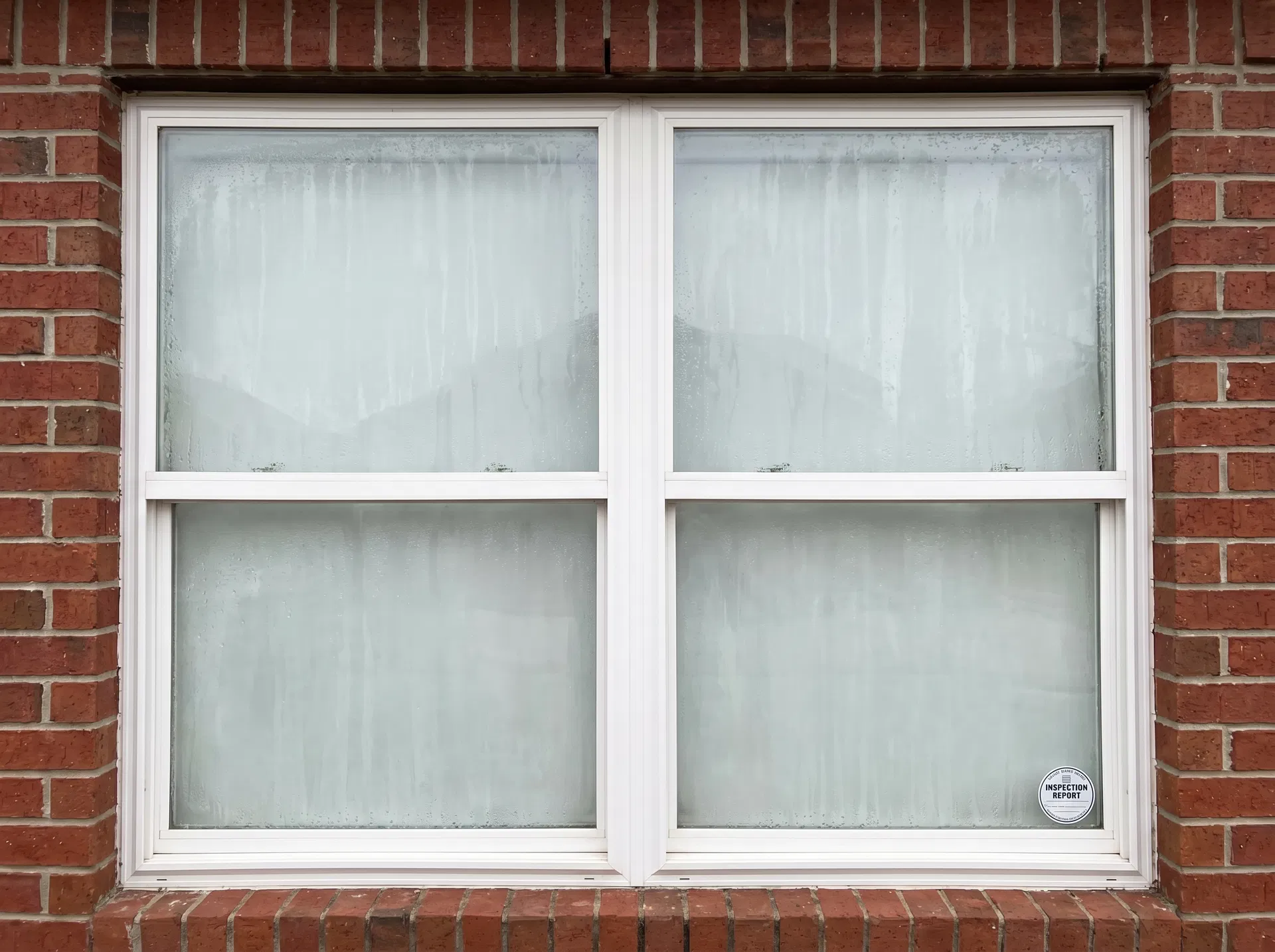
Before: A window with a failed seal, showing significant condensation and fogging.
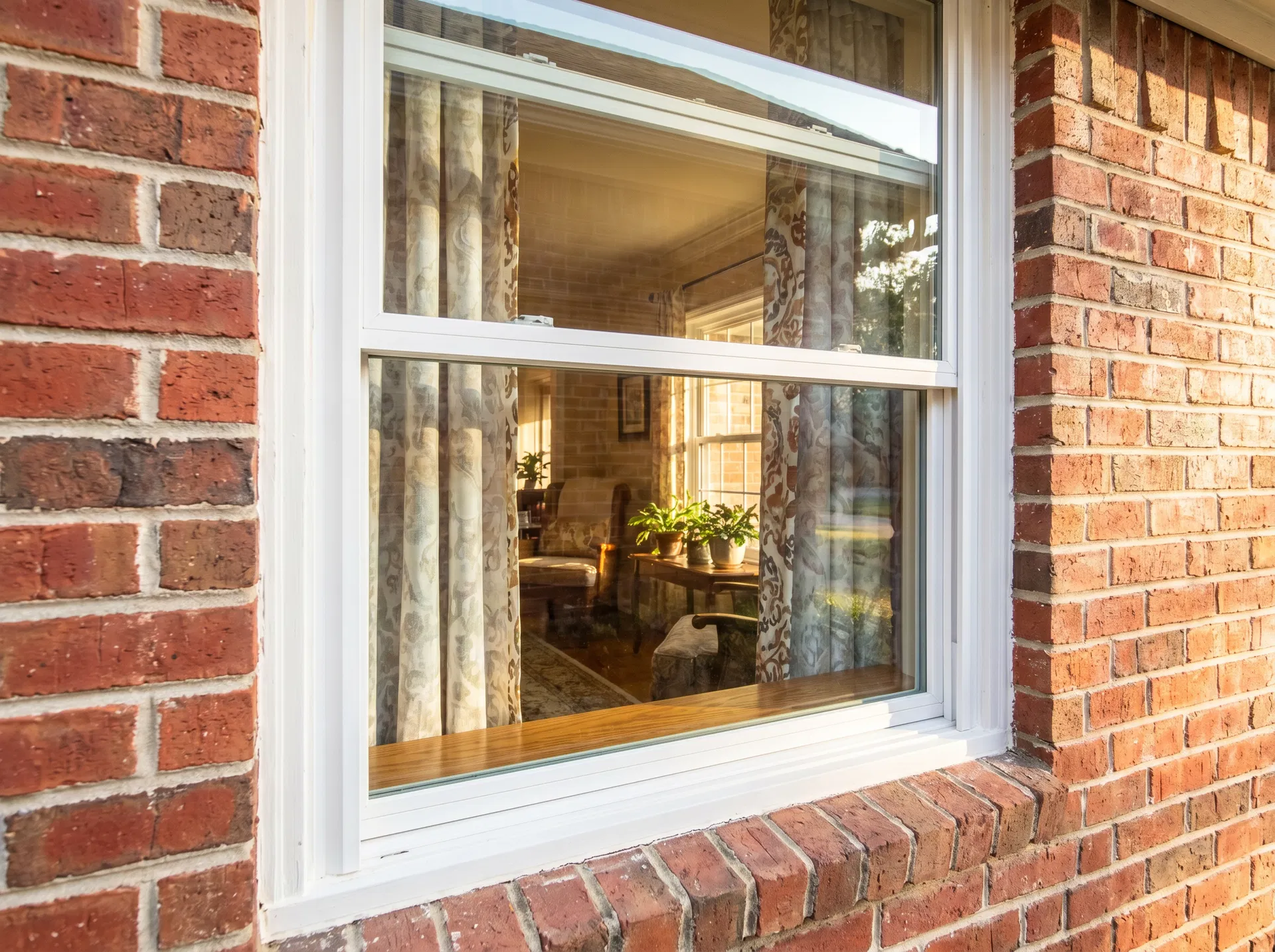
After: The same window after professional glass replacement, restoring clarity and preventing further moisture issues.
If you are dealing with foggy windows and are concerned about the potential for mold growth, do not wait for the problem to worsen. Contact Apex Windows TX today at (214) 263-3008 to discuss your glass replacement options and restore the clarity and safety of your home's windows.
Need Foggy Glass Replacement in Your Area?
We provide expert foggy glass replacement and window repair across the Dallas-Fort Worth metroplex. Click your city below for local pricing, neighborhoods served, and FAQs:
About the Author
Alvin Paulson
Co-Owner & Lead Technician, Apex Windows & Glass
Alvin Paulson co-founded Apex Windows & Glass. The company brings 30+ years of combined leadership experience to foggy glass replacement, insulated glass unit (IGU) repair, and energy-efficient window upgrades across Dallas-Fort Worth. Alvin's philosophy is simple: replace only what's broken, save the homeowner money, and explain the written product and workmanship coverage for the selected scope.