# Does Homeowners Insurance Cover Foggy Windows in Texas?
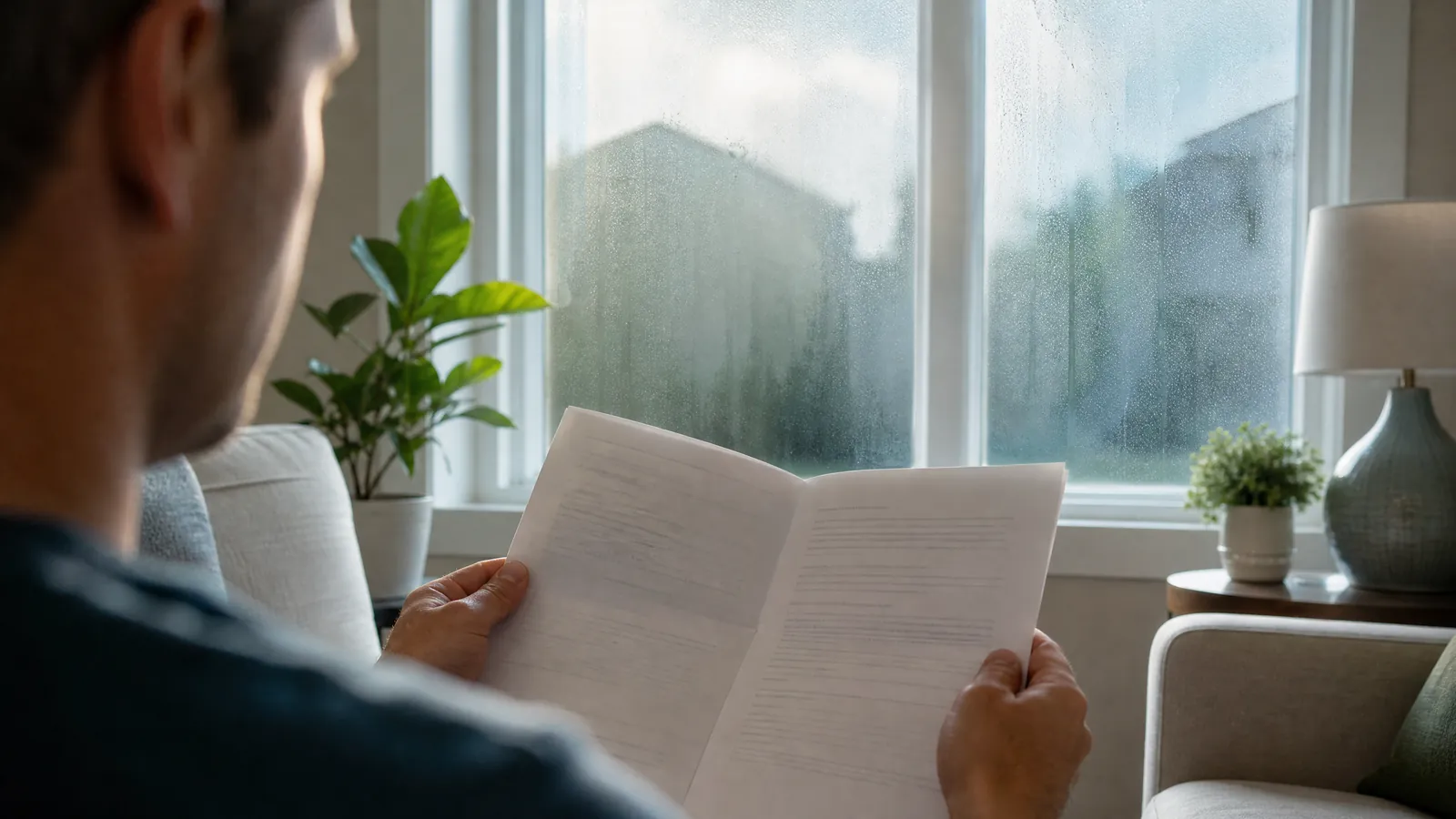
Texas weather is notoriously unpredictable. From scorching summer heat to sudden spring hailstorms, your home’s exterior takes a beating year-round. If you have noticed condensation trapped between the panes of your double-pane windows, you might be wondering if your homeowners insurance policy will cover the cost of repairs or replacement.
For many homeowners in the Dallas-Fort Worth metroplex, discovering foggy windows leads to an immediate question: Is this a covered peril under my insurance policy? The answer depends entirely on what caused the window seal to fail in the first place. Understanding the distinction between sudden damage and gradual wear and tear is crucial when deciding whether to file a claim, as filing unnecessary claims can sometimes lead to increased premiums.
Understanding Window Seal Failure
Before diving into insurance specifics, it is helpful to understand why windows fog up. Modern energy-efficient windows consist of two or three panes of glass separated by a spacer. The space between these panes is typically filled with an insulating gas, such as argon or krypton, and sealed tightly around the perimeter to prevent moisture from entering and the gas from escaping.
When this seal breaks, the insulating gas escapes, and outside air carrying moisture enters the space. As temperatures fluctuate throughout the day, this moisture condenses on the inside of the glass, creating a foggy, milky, or hazy appearance that cannot be wiped away from the inside or outside. This is known as a blown or failed seal. Once a seal has failed, the window loses a significant portion of its insulating properties, which can lead to higher energy bills during the hot Texas summers and chilly winter nights.
When Homeowners Insurance Covers Foggy Windows
Homeowners insurance is designed to protect you against sudden, accidental, and unforeseen events. These are typically referred to as "covered perils" in your policy language. If your window seal failed as a direct result of one of these covered perils, your insurance company will likely pay for the repair or replacement, minus your deductible.
Severe Weather and Storm Damage
In Texas, severe weather is the most common reason insurance covers window damage. If a violent hailstorm strikes your neighborhood and shatters the outer pane of your window, the seal is instantly broken. Even if the glass does not completely shatter, a significant impact from hail or flying debris during a tornado or severe thunderstorm can compromise the frame and break the seal, leading to fogging shortly after the event. Windstorms that cause tree branches to crash into your home can also cause the sudden impact necessary to trigger coverage.
Fire and Extreme Heat
If a fire occurs in or near your home, the extreme heat can warp the window frames or melt the seals. If the fire department extinguishes a blaze and the sudden change in temperature causes the glass to crack or the seal to fail, this is generally considered a covered event. The resulting smoke and soot damage to the window components would also typically be covered.
Vandalism or Accidental Impact
If a vandal throws a rock through your window, or if a neighbor's errant baseball strikes the glass and breaks the seal, your homeowners insurance will typically cover the damage under the vandalism or accidental damage clauses of your policy. In these scenarios, a police report may be required to process the claim successfully.
When Insurance Does Not Cover Foggy Windows
Unfortunately, the most common cause of foggy windows is not a sudden storm or an accident. It is simply the passage of time. Homeowners insurance policies explicitly exclude coverage for damage resulting from wear and tear, age, or lack of maintenance. Insurance is not a maintenance contract, and it will not pay for components of your home that simply wear out over time.
Natural Wear and Tear
Window seals expand and contract every day as they are exposed to the hot Texas sun and cooler night temperatures. This process, known as solar pumping, gradually weakens the seal over years or decades. Eventually, the seal gives out, and moisture enters. Because this is a gradual process and an expected part of a window's lifespan, insurance companies classify it as wear and tear. Therefore, it is not covered under standard policies.
Improper Installation or Manufacturing Defects
If your windows were installed incorrectly, placing undue stress on the frames and seals, they may fail prematurely. Similarly, if the window had a manufacturing defect, the seal might break much sooner than expected. In these cases, your homeowners insurance will not cover the cost. Instead, you would need to rely on the manufacturer's warranty or the installer's workmanship guarantee. It is always wise to keep all documentation from your window installation for this exact reason.
Lack of Maintenance
Homeowners are expected to maintain their properties to prevent damage. If water damage occurs because you neglected to replace rotting wood frames or failed to maintain the caulking around your windows, leading to seal failure, the insurance company will likely deny the claim citing negligence or lack of maintenance. Regular inspections of your home's exterior can help prevent these types of denials.
How to File a Claim for Storm-Damaged Windows
If you are confident that your foggy windows are the result of a recent storm or sudden event, filing a claim promptly is essential. Here are the steps you should take to ensure a smooth process and maximize your chances of an approved claim.
Document the Damage Immediately
As soon as it is safe to do so after a storm, inspect your property. Take clear, high-resolution photographs and videos of the damaged windows. Be sure to capture any shattered glass, dented frames, or immediate fogging. If there is other storm damage to your home, such as roof damage, dented siding, or damaged gutters, document that as well, as it helps prove the severity of the storm to the insurance adjuster.
Review Your Policy and Deductible
Before calling your insurance agent, review your policy documents carefully. Check your deductible amount. In Texas, many policies have a separate, higher deductible for wind and hail damage, often calculated as a percentage of your home's total insured value (e.g., 1% or 2%). If the cost to repair a single foggy window is less than your deductible, it does not make financial sense to file a claim, as you will be paying out of pocket anyway and risk a premium increase.
Contact Your Insurance Company
If the damage exceeds your deductible, contact your insurance provider to initiate the claim. They will assign an adjuster to inspect the damage. Be prepared to provide the date of the storm, a description of the event, and the documentation you gathered.
Get a Professional Assessment
It is highly recommended to have a professional window repair company assess the damage before the insurance adjuster arrives. A professional can identify structural damage to the frame or sash that an adjuster might miss. For Garland homeowners wondering about insurance coverage, having an expert evaluation can provide the necessary evidence to support your claim and ensure you receive a fair settlement.
Practical Alternatives to Full Window Replacement
Whether your insurance covers the damage or you are paying out of pocket due to wear and tear, you do not always have to replace the entire window unit. Full window replacement is expensive, messy, and time-consuming, often requiring interior and exterior trim work.
Instead, consider professional glass replacement. This process involves removing the failed insulated glass unit (IGU) and installing a brand-new, factory-sealed unit into your existing window frames. This restores the energy efficiency and clarity of your windows at a fraction of the cost of full replacement.
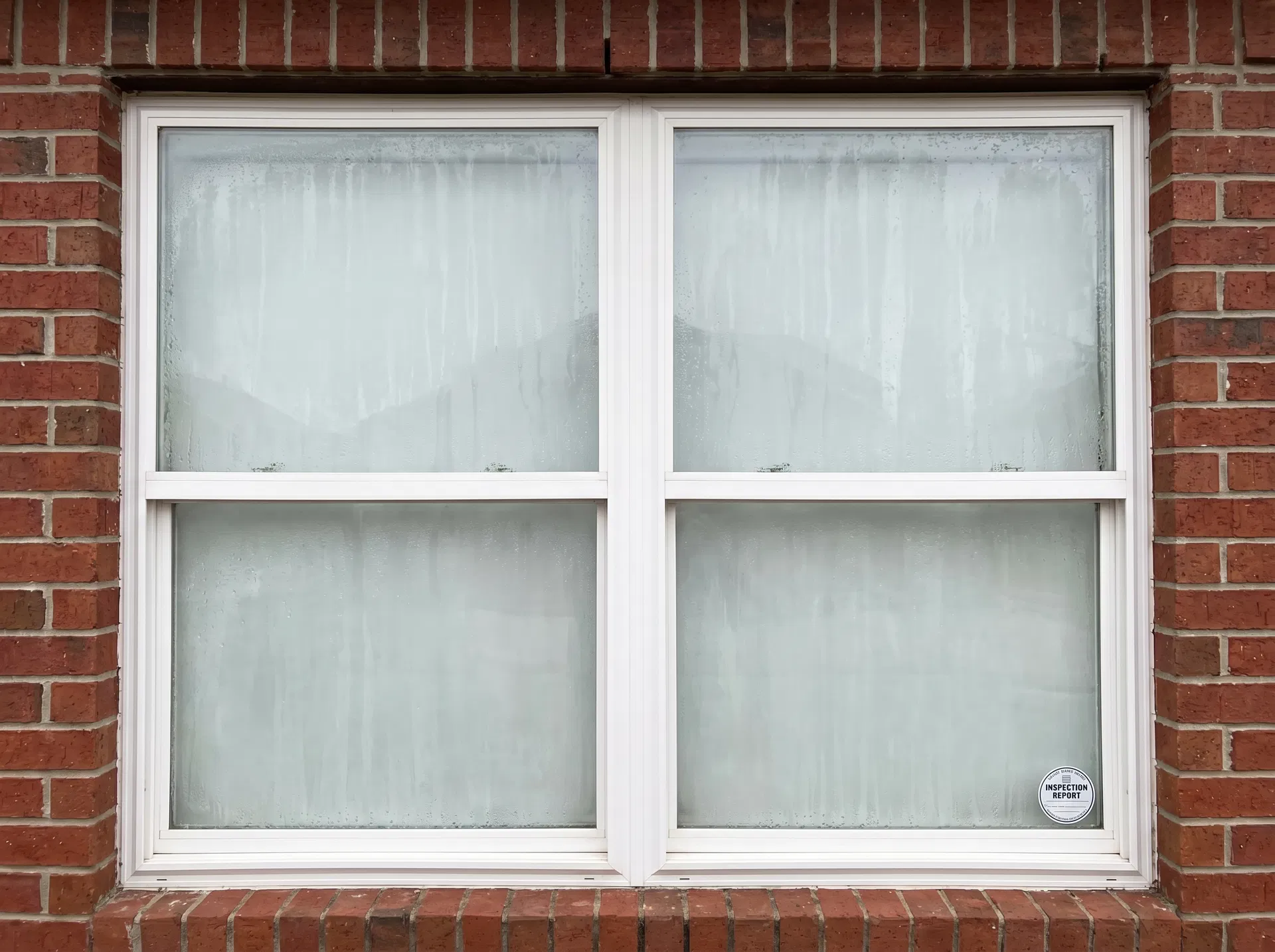
Before: A window with a failed seal showing severe condensation and fogging.
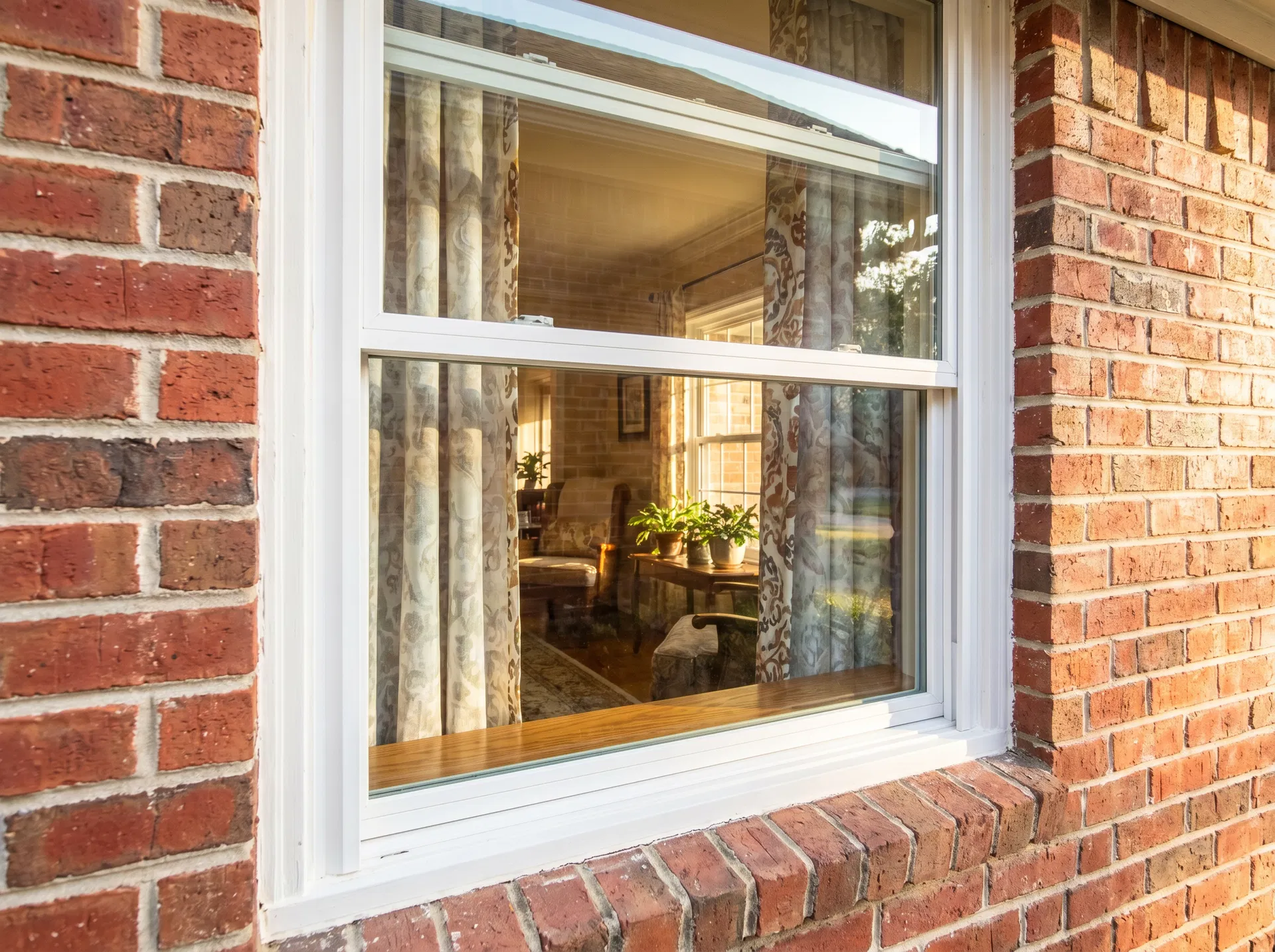
After: The same window restored to perfect clarity with a new insulated glass unit.
If you are dealing with condensation between your panes, learning more about foggy glass repair can help you make an informed decision about the most cost-effective solution for your home.
Protecting Your Windows Moving Forward
While you cannot control the weather, there are steps you can take to protect your windows and maximize their lifespan. Regularly inspect the caulking and weatherstripping around your windows and replace them as needed to prevent moisture intrusion. Keep the window tracks clean and free of debris to ensure they operate smoothly without putting stress on the frames.
Additionally, when purchasing new windows or replacement glass, pay close attention to the warranty. A strong manufacturer's warranty that covers seal failure for 10 to 20 years can provide peace of mind and financial protection that your homeowners insurance policy will not.
Dealing with foggy windows can be frustrating, especially when navigating the complexities of homeowners insurance. By understanding what your policy covers and exploring cost-effective repair options, you can restore the beauty and efficiency of your home without unnecessary stress.
If you are tired of looking through cloudy, hazy glass and want a professional assessment of your windows, we are here to help. Contact Apex Windows TX today at (214) 263-3008 to discuss your repair options and get your view back.
Need Foggy Glass Replacement in Your Area?
We provide expert foggy glass replacement and window repair across the Dallas-Fort Worth metroplex. Click your city below for local pricing, neighborhoods served, and FAQs:
About the Author
Alvin Paulson
Co-Owner & Lead Technician, Apex Windows & Glass
Alvin Paulson co-founded Apex Windows & Glass and brings over 30 years of hands-on expertise in foggy glass replacement, insulated glass unit (IGU) repair, and energy-efficient window upgrades. Born and raised in North Texas, Alvin has personally assessed and repaired thousands of windows across the Dallas-Fort Worth metroplex — from historic McKinney homes to new-build subdivisions in Frisco and Prosper. He is a licensed glazier and holds certifications in Low-E glass installation and argon gas window systems. Alvin's philosophy is simple: replace only what's broken, save the homeowner money, and back every job with a 10-Year IGU manufacturer warranty + Apex 1-Year workmanship warranty.