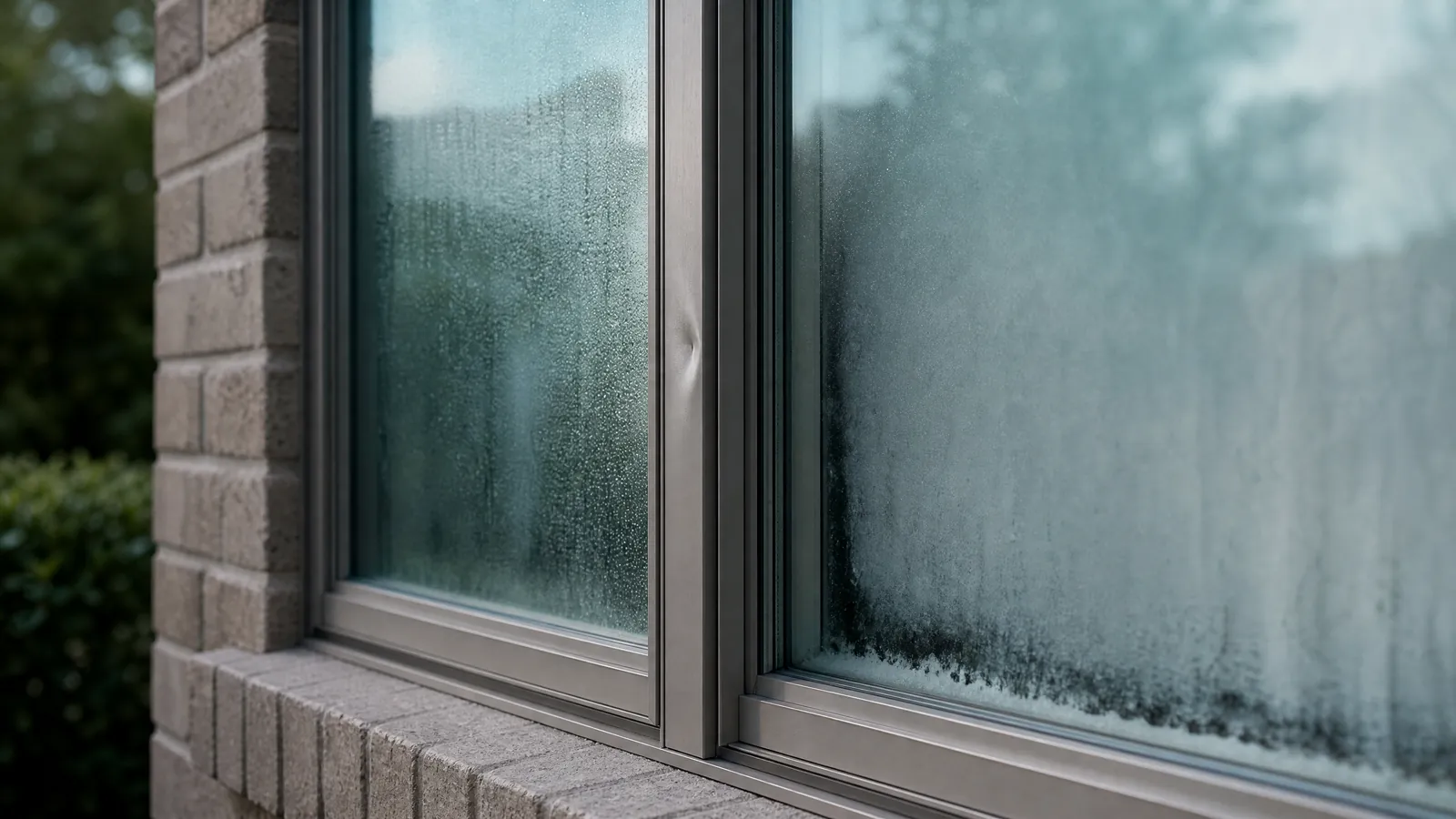
# Foggy Windows After a Hail Storm — What You Need to Know
When a severe hail storm rolls through the Dallas-Fort Worth metroplex, the immediate aftermath usually involves checking for obvious signs of destruction. You might inspect your roof for missing shingles, check your car for dents, and look at your windows for shattered glass. If the glass is intact, it is easy to breathe a sigh of relief and assume your windows survived unscathed. However, hail can cause insidious, hidden damage that might not become apparent until weeks or even months later. One of the most common delayed consequences of a severe storm is the sudden appearance of foggy windows.
Understanding how hail impacts your windows, why the damage is not always immediately visible, and what steps you should take can save you significant time and money.
The Hidden Impact: How Hail Damages Window Seals
Modern residential windows are typically double-pane or triple-pane, meaning they consist of two or three layers of glass separated by a spacer. The space between these panes is often filled with an insulating gas, such as argon or krypton, and the entire unit is sealed tightly around the edges. This insulated glass unit (IGU) is designed to prevent heat transfer, keeping your home cool in the Texas summer and warm during the winter.
When hail strikes a window, the force of the impact does not always have to shatter the glass to cause significant damage. The sheer kinetic energy of a hailstone hitting the frame, the sash, or even the glass itself can cause the window assembly to flex violently. This sudden flexing can compromise the structural integrity of the perimeter seal.
Once the seal is cracked or broken, the insulating gas slowly escapes, and outside air begins to infiltrate the space between the panes. Because outside air contains moisture, this humidity is drawn into the window unit. When the temperature fluctuates—such as during a cool evening after a hot day—the trapped moisture condenses on the inside of the glass, creating a cloudy, foggy appearance that cannot be wiped away from the inside or the outside.
The Timeline of Delayed Seal Failure
One of the most frustrating aspects of hail-induced seal failure is the delay between the storm and the visible symptoms. Unlike a shattered pane, which demands immediate attention, a compromised seal is a slow-moving problem.
In the days immediately following a storm, your windows may look perfectly fine. The microscopic cracks in the seal might only allow a minuscule amount of air to enter at first. It takes time for enough moisture to accumulate between the panes to become visible as condensation. Depending on the humidity levels, the temperature variations, and the severity of the seal damage, it can take anywhere from a few weeks to several months for the fog to appear.
This delayed reaction often catches homeowners off guard. By the time the windows become noticeably foggy, the hail storm might be a distant memory, making it difficult to connect the current problem with the past weather event. This is why a thorough inspection immediately after a storm is crucial, even if the glass appears intact.
Why Texas Weather Exacerbates the Problem
The climate in the Dallas-Fort Worth metroplex plays a significant role in both the initial damage and the subsequent progression of window seal failure. Texas is notorious for its extreme weather patterns, which can put immense stress on the exterior components of your home.
During the summer months, the intense Texas sun beats down on your windows, causing the glass and the frame materials to expand. When a sudden afternoon thunderstorm rolls in, dropping the temperature rapidly, those same materials contract quickly. This constant cycle of thermal expansion and contraction, known as solar pumping, naturally weakens window seals over time.
When you introduce the sudden, violent impact of a hail storm into this equation, the weakened seals are highly susceptible to failure. The hail provides the final blow that breaks the already stressed seal. Furthermore, the high humidity levels often experienced in North Texas mean that once a seal is broken, there is an abundance of moisture in the air ready to be drawn into the window unit. This combination of extreme heat, rapid temperature shifts, and high humidity accelerates the fogging process, making the damage more pronounced and visible sooner than it might be in a milder climate.
Documenting Damage for Insurance Claims
If you suspect that a recent hail storm has damaged your windows, proper documentation is essential for a successful insurance claim. Because seal failure can be delayed, establishing a clear timeline and gathering evidence early on will significantly strengthen your case.
Conduct a Thorough Visual Inspection
As soon as it is safe to do so after a storm, inspect all the windows on your property, paying special attention to the sides of the house that faced the brunt of the wind and hail. Look for subtle signs of impact, such as:
- Dents, dings, or chipping on the window frames and sashes.
- Damage to the window screens, including tears or stretched mesh.
- Small chips or "bruises" on the glass surface that did not result in a full break.
- Damage to the surrounding siding or trim.
Take High-Quality Photographs
Use your smartphone or a digital camera to take clear, well-lit photographs of any damage you find. Take wide shots that show the entire window and the surrounding area, as well as close-up shots of specific impacts. If you notice any immediate condensation or fogging, document that as well. Be sure to enable the timestamp feature on your camera so that the date and time of the photographs are recorded.
Keep a Written Record
Maintain a log of the storm's date, time, and severity. Note the size of the hail if possible. Write down your observations during your visual inspection. If you eventually notice fogging weeks later, record the exact date you first observed the condensation. This written record, combined with your photographs, will provide a compelling narrative for your insurance adjuster.
For Frisco homeowners dealing with post-storm window damage, having this documentation ready can make the difference between a covered claim and an out-of-pocket expense.
Addressing the Problem: Repair vs. Replacement
Once a window seal has failed and the glass has become foggy, the insulating properties of the window are significantly reduced. Not only does the condensation obstruct your view and detract from your home's curb appeal, but it also means your HVAC system has to work harder to maintain a comfortable indoor temperature, leading to higher energy bills.
Many homeowners mistakenly believe that a foggy window requires a complete window replacement, which involves tearing out the frame and installing an entirely new unit. Fortunately, this is rarely the case. In most instances, the most cost-effective and efficient solution is to replace only the insulated glass unit (IGU) while leaving the existing frame intact.
This process, known as foggy glass repair, involves carefully removing the compromised glass panes and installing a brand-new, factory-sealed IGU into your original window frame. This restores the window's clarity and energy efficiency at a fraction of the cost of a full replacement.
Before and After: The Difference is Clear
To understand the impact of professional glass replacement, consider the visual transformation. A foggy window can make an entire room feel gloomy and neglected. Once the glass is replaced, the natural light is restored, and the view is clear once again.
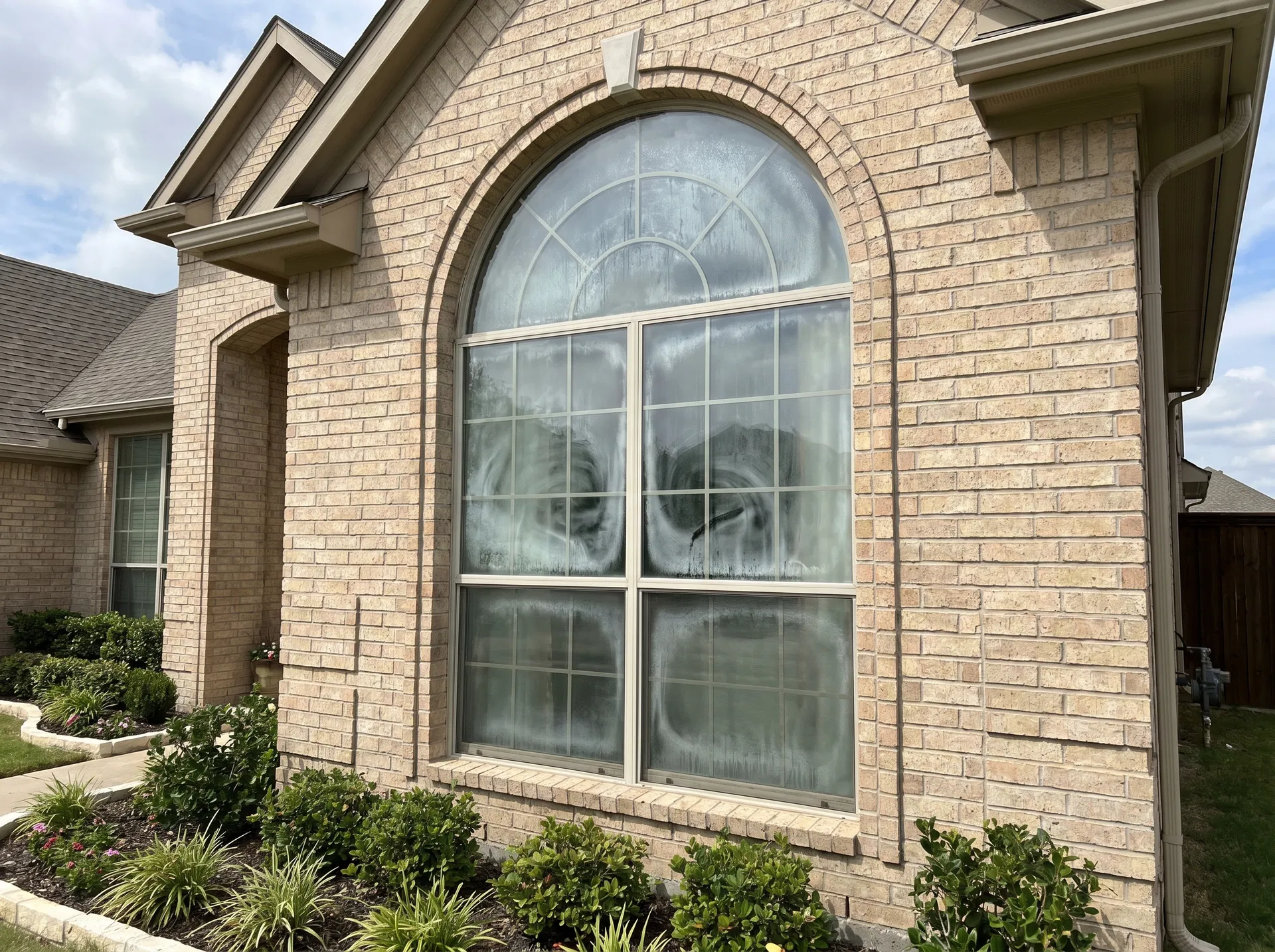
Before: A window suffering from seal failure, resulting in trapped moisture and a cloudy appearance.
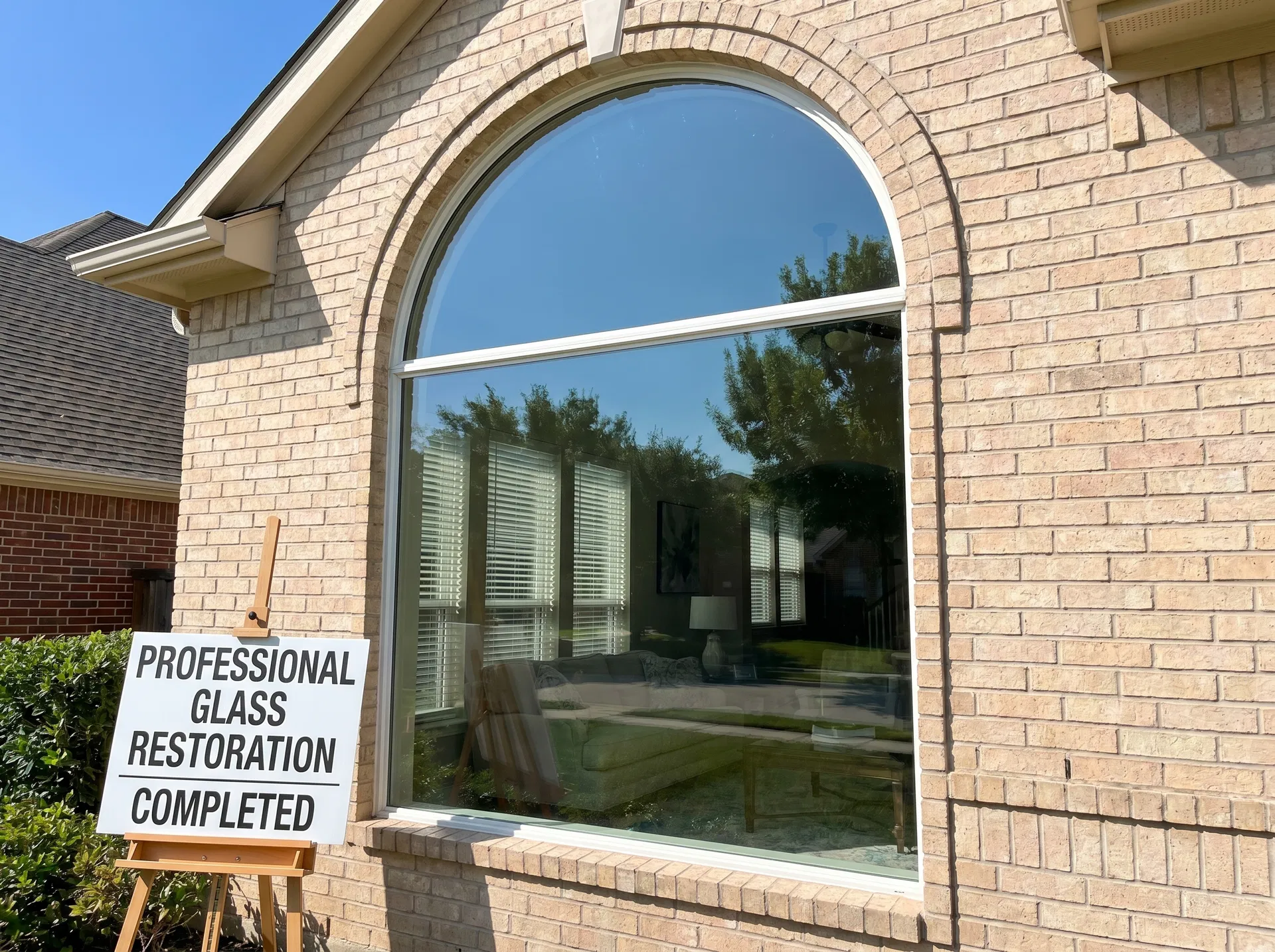
After: The same window frame with a newly installed, factory-sealed insulated glass unit.
Practical Advice for Homeowners
Dealing with the aftermath of a hail storm can be overwhelming, but taking a proactive approach to your home's maintenance can mitigate long-term issues.
First, never ignore a foggy window. While it might seem like a mere cosmetic annoyance, it is a clear indicator that your window is no longer insulating your home effectively. The longer you wait to address the issue, the more money you will lose in wasted energy.
Second, be cautious of "quick fix" solutions. Some companies offer defogging services that involve drilling holes in the glass, cleaning the inside, and installing a vent. While this might temporarily remove the visible moisture, it does not restore the insulating gas or fix the underlying seal failure. The window will still lack its original energy efficiency, and the fog is likely to return. Replacing the IGU is the only permanent, reliable solution.
Finally, review your homeowner's insurance policy to understand your coverage for storm damage. Knowing your deductible and the specific terms of your policy will help you make informed decisions if you need to file a claim for hail-damaged windows.
Restore Your View Today
If you have noticed foggy windows in the weeks or months following a severe Texas hail storm, do not wait for the problem to worsen. Restoring your home's energy efficiency and clear views is easier and more affordable than you might think. Contact Apex Windows TX today to schedule an assessment and learn more about our specialized glass replacement services. Call us at (214) 263-3008 to get started.
Need Foggy Glass Replacement in Your Area?
We provide expert foggy glass replacement and window repair across the Dallas-Fort Worth metroplex. Click your city below for local pricing, neighborhoods served, and FAQs:
About the Author
Alvin Paulson
Co-Owner & Lead Technician, Apex Windows & Glass
Alvin Paulson co-founded Apex Windows & Glass and brings over 30 years of hands-on expertise in foggy glass replacement, insulated glass unit (IGU) repair, and energy-efficient window upgrades. Born and raised in North Texas, Alvin has personally assessed and repaired thousands of windows across the Dallas-Fort Worth metroplex — from historic McKinney homes to new-build subdivisions in Frisco and Prosper. He is a licensed glazier and holds certifications in Low-E glass installation and argon gas window systems. Alvin's philosophy is simple: replace only what's broken, save the homeowner money, and back every job with a 10-Year IGU manufacturer warranty + Apex 1-Year workmanship warranty.