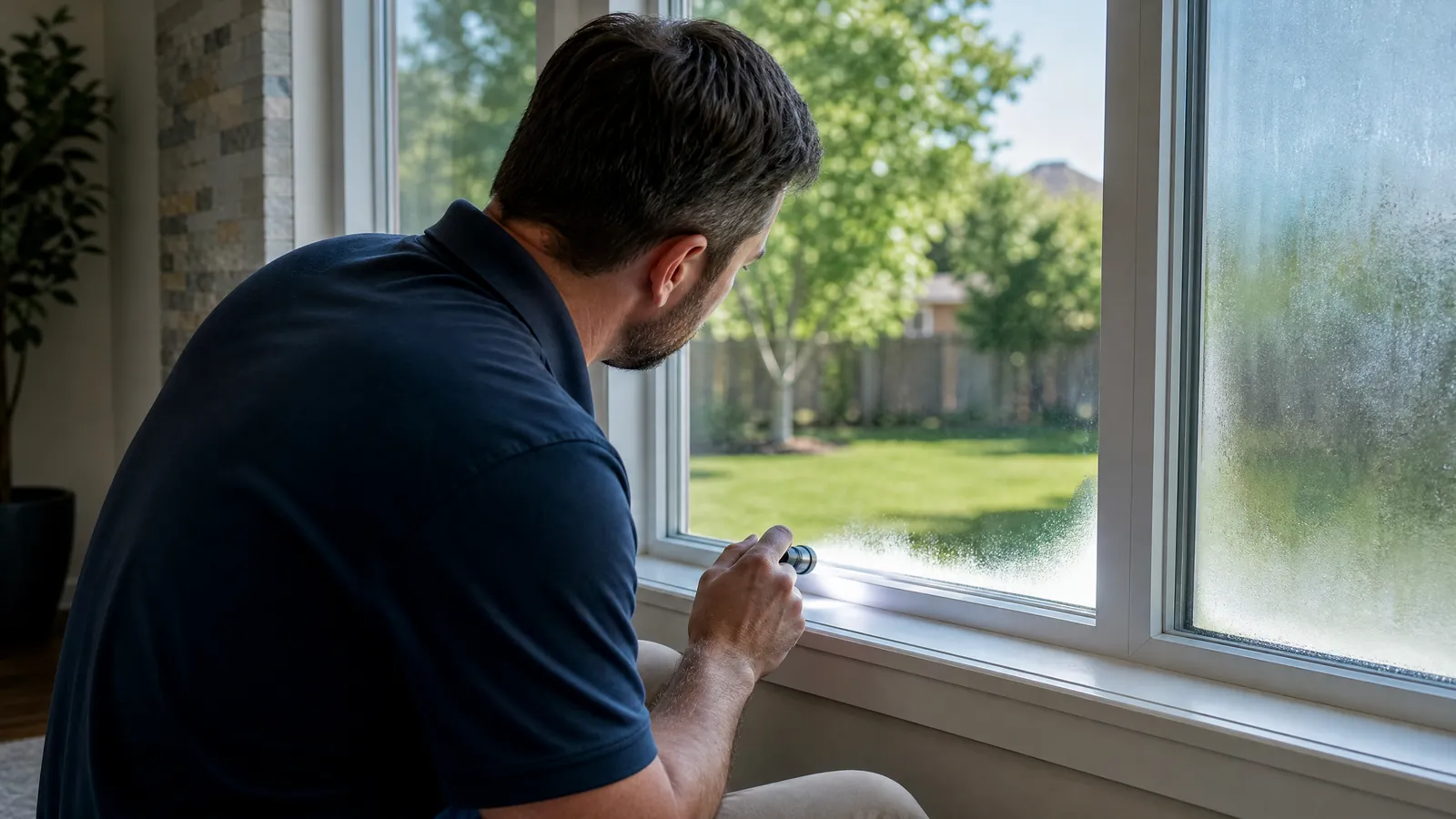
# Foggy Windows and Home Inspections — What Buyers Look For
Selling a home is a complex process, and the home inspection is often the most nerve-wracking hurdle for sellers. You have decluttered, staged the living room, and added fresh mulch to the flower beds. But as you walk through your home, you might notice a milky, hazy look on some of your windows. While it might seem like a minor cosmetic issue, foggy windows can become a significant sticking point during a home inspection.
Understanding how foggy windows show up on inspection reports, how they impact buyer negotiations, and why addressing them proactively is crucial can save you time, money, and stress during the sale of your home.
Why Do Windows Get Foggy?
Before diving into the inspection process, it is helpful to understand why windows fog up in the first place. Modern homes typically feature double-pane or triple-pane windows, known as insulated glass units (IGUs). These windows consist of two or more panes of glass separated by a spacer and sealed at the edges. The space between the panes is often filled with an insulating gas, like argon or krypton, to improve energy efficiency.
Over time, the seals on these windows can degrade due to temperature fluctuations, exposure to sunlight, and general wear and tear. When a seal fails, the insulating gas escapes, and moisture-laden outside air is drawn into the space between the panes. As temperatures change, this moisture condenses, creating the foggy, hazy, or wet appearance that you cannot wipe away from the inside or outside. This phenomenon is known as a failed window seal.
How Foggy Windows Show Up on Home Inspection Reports
Home inspectors are trained to look for signs of wear, damage, and inefficiency throughout a property. When they evaluate the exterior and interior of a home, windows are a major focal point. Here is what inspectors flag when they encounter foggy windows:
1. Failed Window Seals
Inspectors will explicitly note failed window seals in their reports. They look for condensation, haziness, or mineral deposits between the glass panes. Even if the fog is not currently visible due to the temperature or humidity on the day of the inspection, inspectors can often spot the telltale signs of a broken seal, such as etching or a permanent milky residue on the glass.
2. Loss of Energy Efficiency
A failed seal means the window has lost its insulating properties. Inspectors will highlight this as an energy efficiency issue. Buyers are increasingly conscious of utility costs, and a report detailing compromised insulation can raise red flags about future heating and cooling bills.
3. Potential Water Damage
While a failed seal primarily affects the glass unit, inspectors will also check the surrounding window frame and sill. If the seal failure is accompanied by poor drainage or frame damage, it could indicate a risk of water intrusion, which can lead to wood rot or mold—issues that terrify potential buyers.
The Impact on Buyer Negotiations
When a buyer receives a home inspection report detailing foggy windows and failed seals, it almost always triggers a reaction. Here is how it typically impacts negotiations:
The Perception of Deferred Maintenance
Buyers often view a home through the lens of maintenance. If they see foggy windows, they might wonder what other maintenance tasks have been neglected. This perception of deferred maintenance can make buyers overly critical of other minor issues, potentially souring the deal.
Repair Requests and Concessions
It is standard practice for buyers to request repairs or financial concessions for issues found during the inspection. Foggy windows are a common target. Buyers may ask you to replace the affected windows entirely, which can be a costly endeavor. Alternatively, they might request a credit at closing to cover the cost of repairs themselves.
Overestimated Repair Costs
Buyers and their real estate agents often overestimate the cost of fixing foggy windows. They might assume that the entire window frame and glass unit need to be replaced. This misconception can lead to inflated concession requests that eat into your profit margin.
Why Fixing Foggy Windows Before Listing Saves Money
Addressing foggy windows before you put your home on the market is a strategic move that can pay off significantly. Here is why proactive repair is the best approach:
1. Cost-Effective Solutions
You do not necessarily need to replace the entire window to fix a foggy pane. Professional glass replacement services can often Apex provides glass-only repair and replacement where appropriate, as well as full-window replacement and other window and glass services. The recommended scope follows an on-site assessment.. This process, known as foggy glass repair, is a fraction of the cost of full window replacement. By handling this yourself, you control the cost and avoid the inflated estimates buyers might bring to the negotiating table.
2. Improved Curb Appeal and First Impressions
First impressions matter immensely in real estate. Clear, sparkling windows make a home look well-maintained, bright, and inviting. Foggy windows, on the other hand, can make a home look tired and neglected. Fixing the glass enhances your home's curb appeal and helps buyers fall in love with the property from the moment they pull into the driveway.
3. Smoother Inspections and Faster Closings
By eliminating the issue before the inspector arrives, you remove a potential roadblock from the transaction. A clean inspection report builds buyer confidence and reduces the likelihood of prolonged negotiations or deal cancellations. This leads to a smoother, faster closing process.
Real-World Results: Before and After
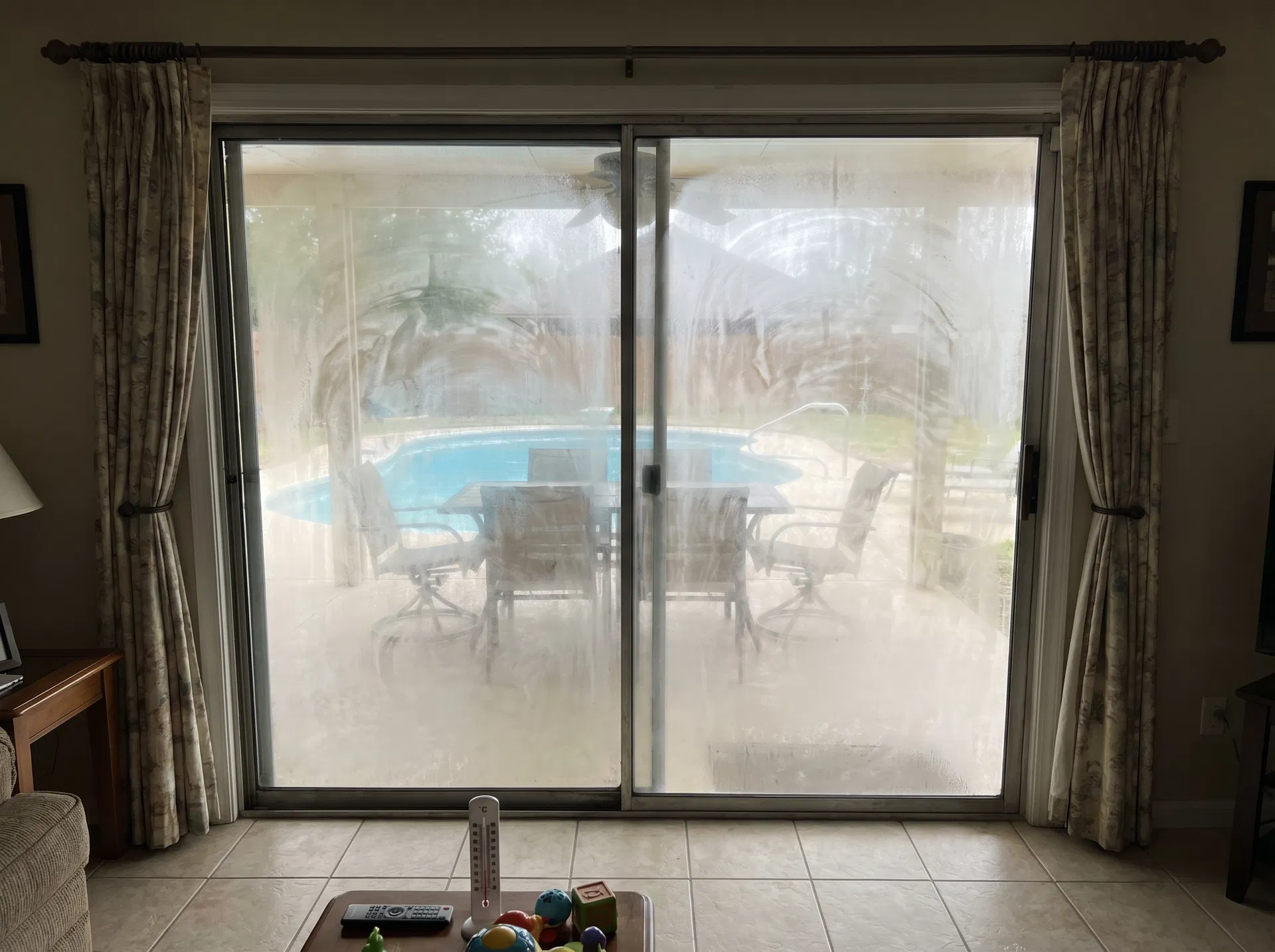
To illustrate the dramatic difference that glass replacement can make, consider this example. The image below shows a window with a severely failed seal, completely obscuring the view and making the room feel gloomy.
After replacing the insulated glass unit, the window is crystal clear, restoring the view and the home's aesthetic appeal.
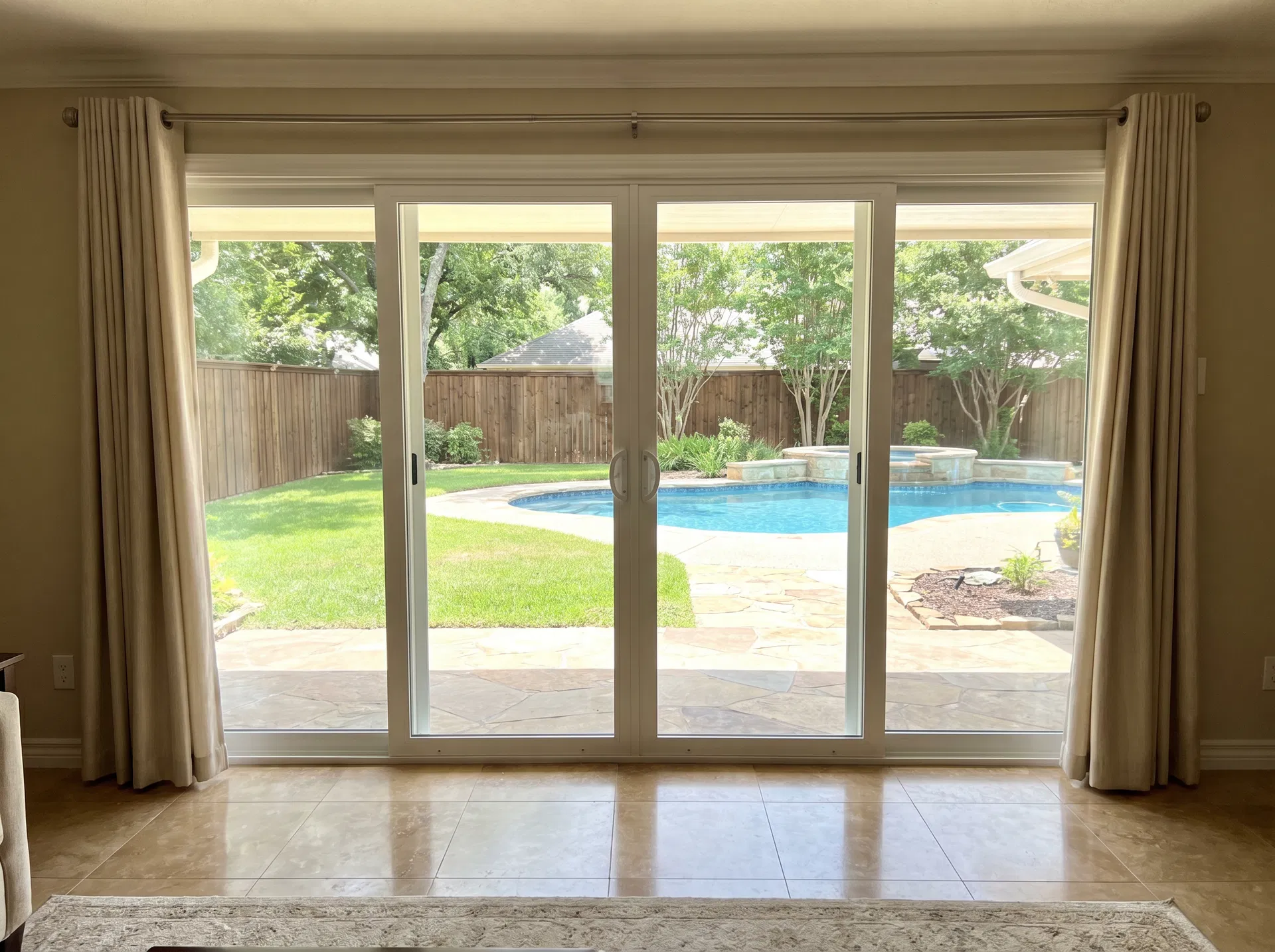
For Arlington sellers preparing for a home inspection, addressing these visual and functional defects is a critical step in maximizing the home's market value.
Practical Advice for Homeowners Preparing to Sell
If you are getting ready to list your home, take a proactive approach to your windows:
- Conduct a Personal Inspection: Walk around your home on a sunny day and carefully examine each window. Look for condensation, haziness, or a milky film between the panes.
- Check for Drafts: Feel around the window frames for drafts, which could indicate failing weatherstripping or compromised seals.
- Consult a Professional: If you spot foggy windows, do not wait for a buyer's inspector to flag them. Contact a specialized glass replacement company to evaluate the windows and provide an estimate for replacing the IGUs.
- Keep Documentation: If you have the glass replaced, keep the receipts and warranty information. Providing this documentation to potential buyers demonstrates that you have proactively maintained the home and gives them peace of mind.
Conclusion
Foggy windows are more than just a cosmetic annoyance; they are a red flag for home inspectors and potential buyers. By understanding how failed window seals impact the selling process and taking proactive steps to repair them, you can protect your home's value, streamline negotiations, and ensure a successful sale.
Do not let foggy windows derail your home sale. If you are dealing with failed window seals and want to restore your home's clarity and energy efficiency before listing, we can help. Contact Apex Windows TX today at (214) 263-3008 to schedule a consultation and get your windows inspection-ready.
Need Foggy Glass Replacement in Your Area?
We provide expert foggy glass replacement and window repair across the Dallas-Fort Worth metroplex. Click your city below for local pricing, neighborhoods served, and FAQs:
About the Author
Alvin Paulson
Co-Owner & Lead Technician, Apex Windows & Glass
Alvin Paulson co-founded Apex Windows & Glass. The company brings 30+ years of combined leadership experience to foggy glass replacement, insulated glass unit (IGU) repair, and energy-efficient window upgrades across Dallas-Fort Worth. Alvin's philosophy is simple: replace only what's broken, save the homeowner money, and explain the written product and workmanship coverage for the selected scope.