# Foggy Windows vs Condensation — How to Tell the Difference
Waking up to find your windows covered in a layer of mist or fog is a common experience for many homeowners in the Dallas-Fort Worth area. Depending on the season, the weather outside, and the humidity inside your home, window moisture can appear seemingly out of nowhere. But how do you know if what you are seeing is just normal, harmless condensation or a sign of a more serious problem, like a failed window seal?
Understanding the difference between temporary window condensation and permanent foggy glass is crucial for maintaining your home's energy efficiency and aesthetic appeal. In this guide, we will break down the science behind window moisture, explain how to identify a broken seal, and share a simple test you can perform right now to determine the health of your windows.
What is Window Condensation?
Window condensation is simply water vapor in the air that has turned into liquid upon coming into contact with a cold surface. It is the exact same physical process that causes water droplets to form on the outside of a cold glass of iced tea on a hot summer day.
Condensation on windows typically occurs in two specific locations: on the interior surface of the glass (inside your home) or on the exterior surface of the glass (outside your home).
Interior condensation usually happens during the colder months. When the warm, moist air from inside your home—generated by cooking, showering, or even just breathing—hits the cold glass of your windows, it condenses into water droplets.
Exterior condensation, on the other hand, is more common during the warmer months, particularly in the early morning. When the glass is cooled by your home's air conditioning overnight, and the humid morning air hits the cold exterior surface, dew forms on the outside of the window.
When is Condensation Harmless?
In most cases, surface condensation is completely harmless and is actually a sign that your windows are doing their job by providing a tight seal against drafts. Temporary condensation that appears in the morning and evaporates as the day warms up is perfectly normal.
However, if interior condensation is excessive and pools on the window sill, it can eventually lead to wood rot or mold growth. Managing your indoor humidity levels with exhaust fans or dehumidifiers can help mitigate this issue. But as far as the window itself is concerned, surface condensation does not indicate a structural failure.
What is Foggy Glass (Seal Failure)?
While surface condensation is a temporary weather-related phenomenon, permanent foggy glass is a structural issue. To understand why windows fog up permanently, it helps to understand how modern windows are built.
Most homes today feature double-pane or insulated glass units (IGUs). These windows consist of two panes of glass separated by a spacer. The space between the panes is typically filled with an insulating gas, such as argon or krypton, and the entire unit is sealed tightly around the edges. This design creates a thermal barrier that prevents heat transfer, keeping your home cool in the summer and warm in the winter.
Over time, however, the constant expansion and contraction of the glass due to temperature changes, combined with exposure to sunlight and moisture, can cause the perimeter seal to degrade and eventually break. This is known as seal failure.
When the seal breaks, the insulating gas escapes, and outside air—along with its moisture—is drawn into the space between the two panes of glass. Because this space is sealed off from the open air, the moisture becomes trapped. When the temperature fluctuates, this trapped moisture condenses on the inside surfaces of the glass panes, creating a milky, foggy, or hazy appearance that cannot be wiped away.
The Wipe Test: How to Tell the Difference
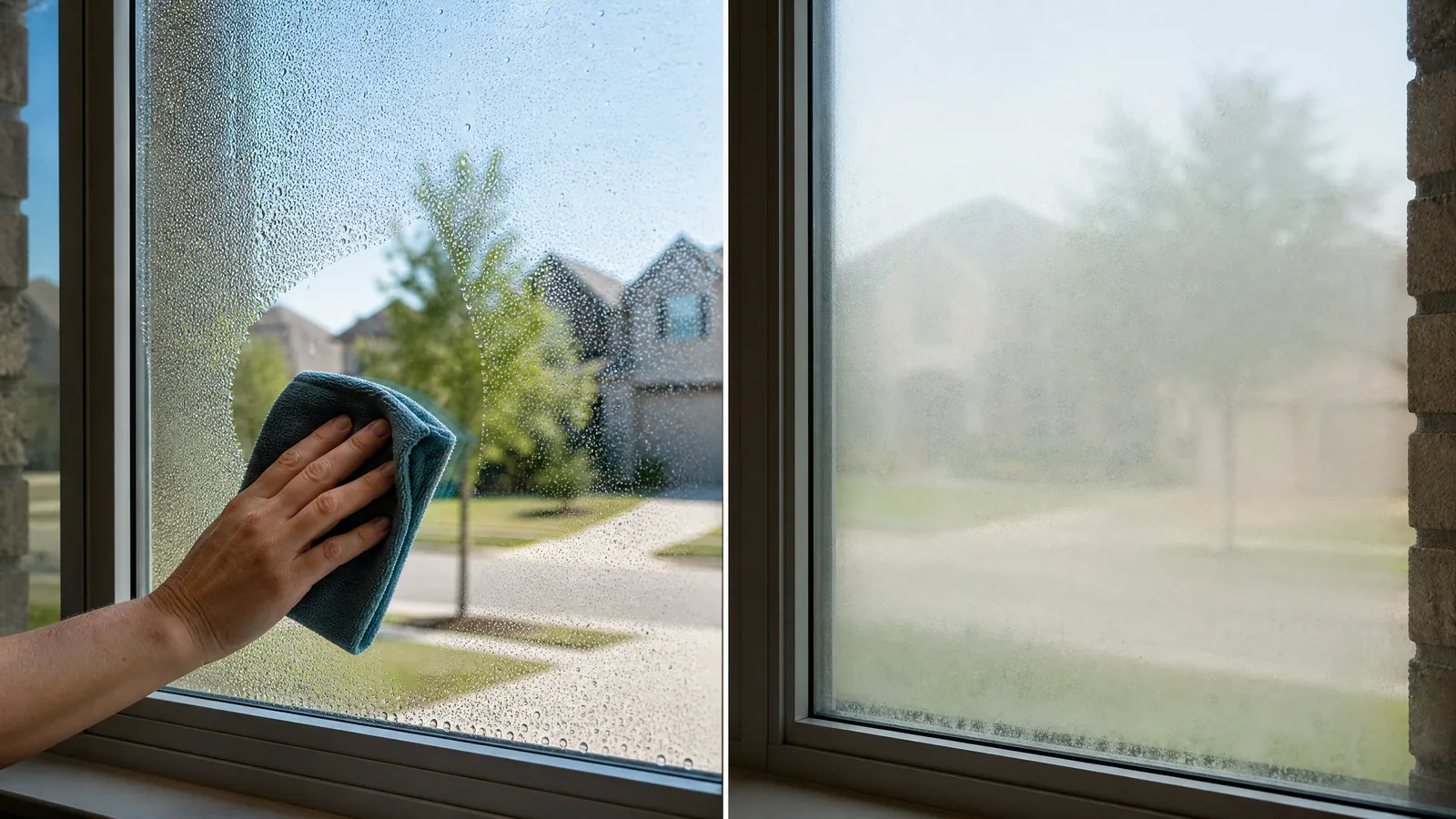
If you are looking at a cloudy window and wondering whether you are dealing with normal condensation or a failed seal, there is a very simple diagnostic tool you can use: the wipe test.
- Wait for the fog to appear: Choose a time when the window looks particularly cloudy or wet.
- Wipe the inside: Take a clean, dry microfiber cloth and wipe the interior surface of the glass. If the moisture clears up and the glass looks perfectly transparent, you are dealing with interior condensation.
- Wipe the outside: If wiping the inside did not clear the view, go outside and wipe the exterior surface of the glass. If the fog disappears, you are dealing with exterior condensation.
- The final verdict: If you have wiped both the inside and the outside of the window, and the glass still looks foggy, hazy, or wet, the moisture is trapped between the panes. This is a definitive sign of seal failure.
Why You Shouldn't Ignore Seal Failure
Unlike surface condensation, which comes and goes with the weather, a failed window seal is a permanent problem that will only get worse over time. Initially, you might only notice a slight haze during extreme temperature shifts. But as more moisture is drawn into the window unit, the fog will become denser and more persistent. Eventually, the moisture can leave behind mineral deposits, permanently etching and staining the glass.
Beyond the aesthetic issue of having dirty-looking windows that you cannot clean, seal failure also compromises your home's energy efficiency. The insulating gas that was originally between the panes is gone, meaning your HVAC system has to work harder to maintain a comfortable indoor temperature. This can lead to higher energy bills and a less comfortable living environment.
What to Do If You Have Foggy Windows
If the wipe test confirms that you have moisture trapped between your window panes, you might be worried that you need to replace the entire window, including the frame. Fortunately, this is rarely the case.
In almost all instances of seal failure, the window frame itself is perfectly fine. The most cost-effective and practical solution is to replace just the insulated glass unit (IGU). A professional glass technician can carefully remove the failed glass unit from your existing frame and install a brand-new, factory-sealed IGU in its place. This restores both the clarity and the energy efficiency of your window at a fraction of the cost of a full window replacement.
If you are dealing with trapped moisture, you can learn more about the process and benefits of professional foggy glass repair.
Real Results: Restoring Clarity
To give you an idea of what a difference a glass replacement can make, take a look at this recent project. The original window had suffered a severe seal failure, resulting in a dense, milky fog that completely obscured the view. By replacing just the glass unit, the window was restored to its original, crystal-clear condition.
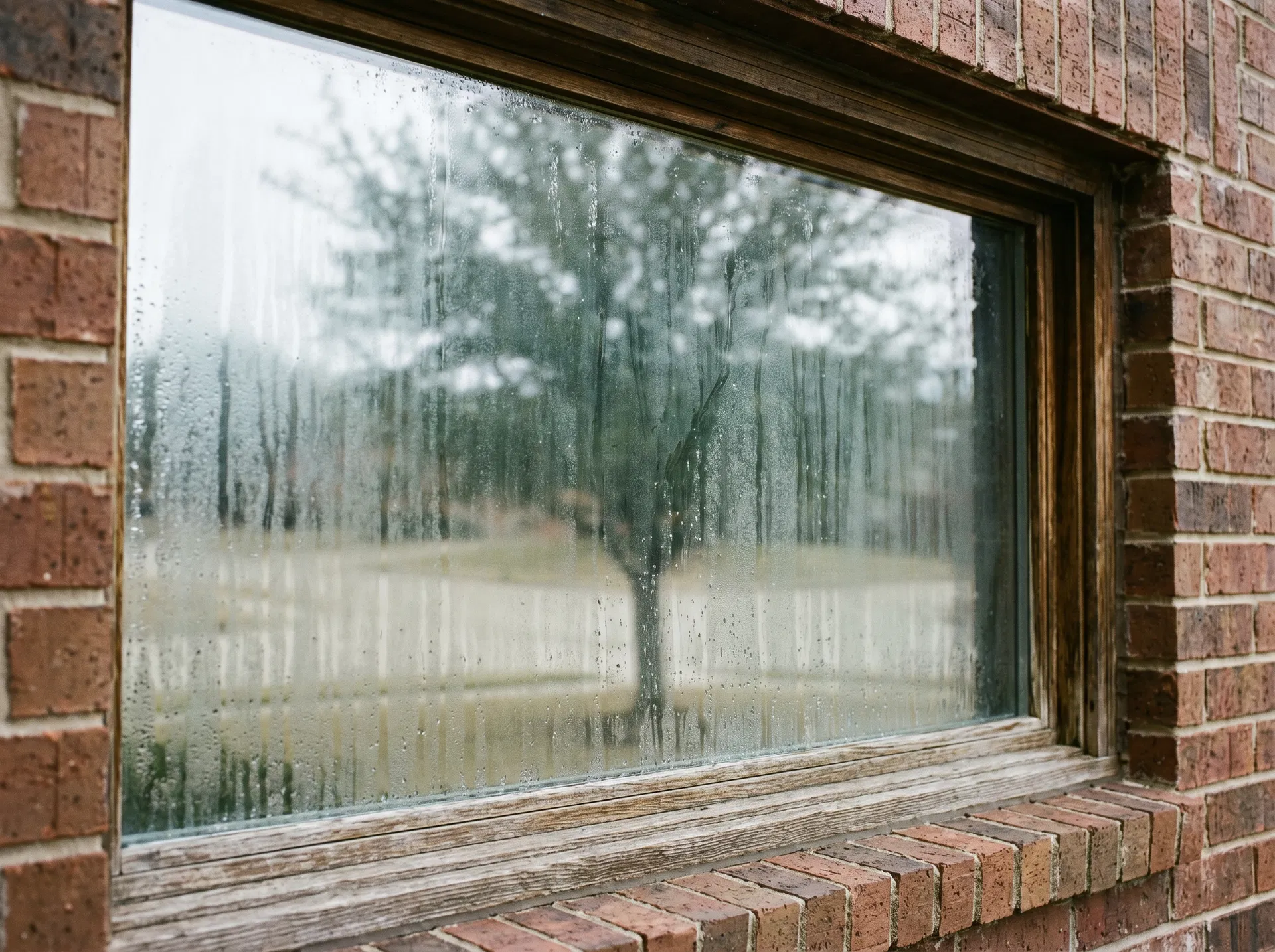
Before: A double-pane window suffering from severe seal failure and trapped moisture.
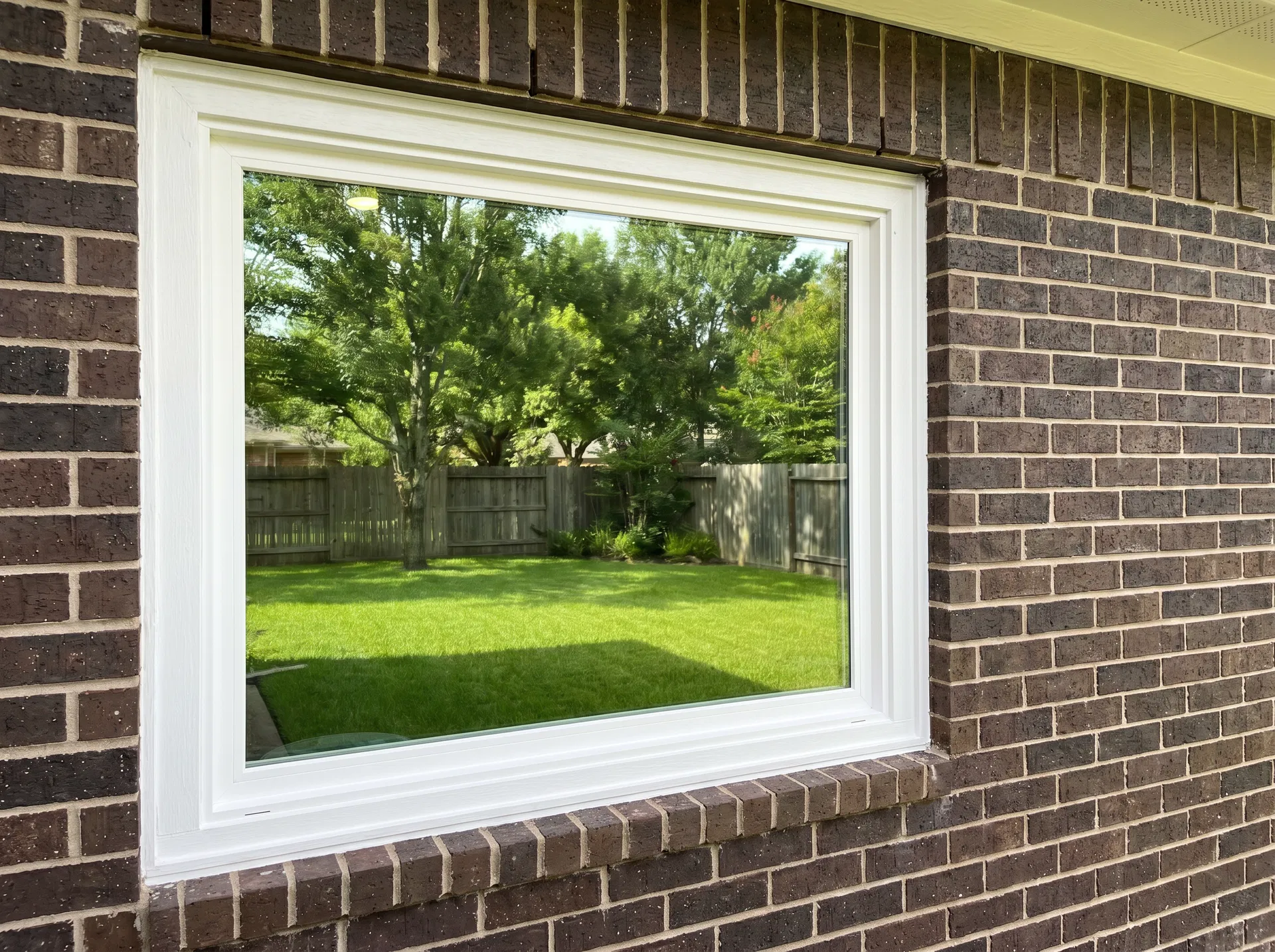
After: The same window frame with a brand-new, factory-sealed insulated glass unit installed.
Get Professional Help for Your Windows
Understanding the difference between harmless condensation and a failed window seal is the first step in properly maintaining your home. If you have performed the wipe test and discovered that the fog is trapped between the panes, it is time to call in the experts.
For McKinney homeowners unsure if their windows need repair, or anyone in the Dallas-Fort Worth metroplex dealing with cloudy glass, Apex Windows TX is here to help. We specialize in targeted glass replacement, saving you the hassle and expense of full window replacements.
Don't let foggy windows ruin your view or drive up your energy bills. Contact Apex Windows TX today at (214) 263-3008 to schedule a consultation and get your windows looking clear and beautiful once again.
Need Foggy Glass Replacement in Your Area?
We provide expert foggy glass replacement and window repair across the Dallas-Fort Worth metroplex. Click your city below for local pricing, neighborhoods served, and FAQs:
About the Author
Alvin Paulson
Co-Owner & Lead Technician, Apex Windows & Glass
Alvin Paulson co-founded Apex Windows & Glass and brings over 30 years of hands-on expertise in foggy glass replacement, insulated glass unit (IGU) repair, and energy-efficient window upgrades. Born and raised in North Texas, Alvin has personally assessed and repaired thousands of windows across the Dallas-Fort Worth metroplex — from historic McKinney homes to new-build subdivisions in Frisco and Prosper. He is a licensed glazier and holds certifications in Low-E glass installation and argon gas window systems. Alvin's philosophy is simple: replace only what's broken, save the homeowner money, and back every job with a 10-Year IGU manufacturer warranty + Apex 1-Year workmanship warranty.