
If you live in the Dallas-Fort Worth metroplex, you are no stranger to extreme weather. From blistering summer heat to sudden winter freezes, our homes endure a wide range of temperatures throughout the year. One of the most common issues homeowners notice during these seasonal shifts is window condensation. However, you might have noticed that the way your windows fog up changes depending on the season.
Understanding the differences between winter and summer window condensation can help you determine whether you are dealing with a harmless weather phenomenon or a more serious issue like a broken window seal. Let's dive into the science of foggy windows and explore how seasonal temperature changes affect your home's glass.
Understanding Window Condensation
Before we break down the seasonal differences, it is important to understand what causes window condensation in the first place. Condensation occurs when warm, moisture-laden air comes into contact with a cooler surface. The air cools rapidly, losing its ability to hold moisture, which then turns into water droplets on the surface.
The Science Behind the Fog
Think of a cold glass of iced tea on a hot Texas afternoon. The outside of the glass quickly becomes wet because the warm summer air hits the cold surface of the glass. The exact same principle applies to your home's windows. The location of the condensation—whether it is on the inside, the outside, or between the panes of glass—tells a distinct story about what is happening with your windows and your home's environment.
Winter Window Condensation: The Inside Story
During the winter months, condensation typically forms on the inside of your windows. When the temperature drops outside, the glass on your windows becomes cold. Meanwhile, the air inside your home is warm and often humid from activities like cooking, showering, and running the heater.
Why It Happens
When the warm, humid indoor air hits the cold interior surface of the window glass, it releases moisture, creating a layer of fog or water droplets. This is especially common in older homes with single-pane windows or in rooms with high humidity, such as bathrooms and kitchens.
What It Looks Like
Winter condensation usually looks like a fine mist or heavy water droplets on the room-facing side of the glass. You can easily wipe it away with your hand or a towel. While occasional indoor condensation is normal during extreme cold snaps, excessive moisture can lead to mold growth or damage to your window sills and frames.
Summer Window Condensation: The Outside Haze
In contrast, summer condensation in the DFW area almost always forms on the outside of your windows. During our sweltering Texas summers, you likely have your air conditioning running full blast, making the interior of your home—and the window glass—quite cool.
Why It Happens
When the hot, humid outdoor air comes into contact with the cold exterior surface of your window glass, condensation forms on the outside. This is the exact reverse of the winter scenario. It is essentially the "iced tea glass" effect happening on a larger scale.
What It Looks Like
Summer condensation appears as a hazy fog or morning dew on the exterior of your windows. It is most common in the early morning hours when the outdoor humidity is highest and the sun has not yet warmed the glass. Like winter condensation, this exterior fog is generally harmless and can be wiped away or will naturally evaporate as the day warms up.
When the Fog is Between the Panes (The Real Problem)
While condensation on the inside or outside of your windows is usually a natural reaction to temperature differentials, fog between the panes of glass is a completely different story. Modern double-pane windows are constructed with an insulating gas (like argon) sealed between two layers of glass. This design is meant to slow down the transfer of heat, keeping your home comfortable year-round.
The Role of Temperature Differentials
The constant expansion and contraction caused by extreme temperature differentials—like a 100-degree summer day followed by a cool night, or a sudden winter freeze—puts immense stress on window seals. Over time, this process, known as "solar pumping," can cause the seals to degrade and eventually fail.
When a window seal fails, the insulating gas escapes, and outside air carrying moisture gets sucked into the space between the panes. As temperatures fluctuate, this trapped moisture condenses, creating a permanent, milky fog that you cannot wipe away from the inside or the outside.
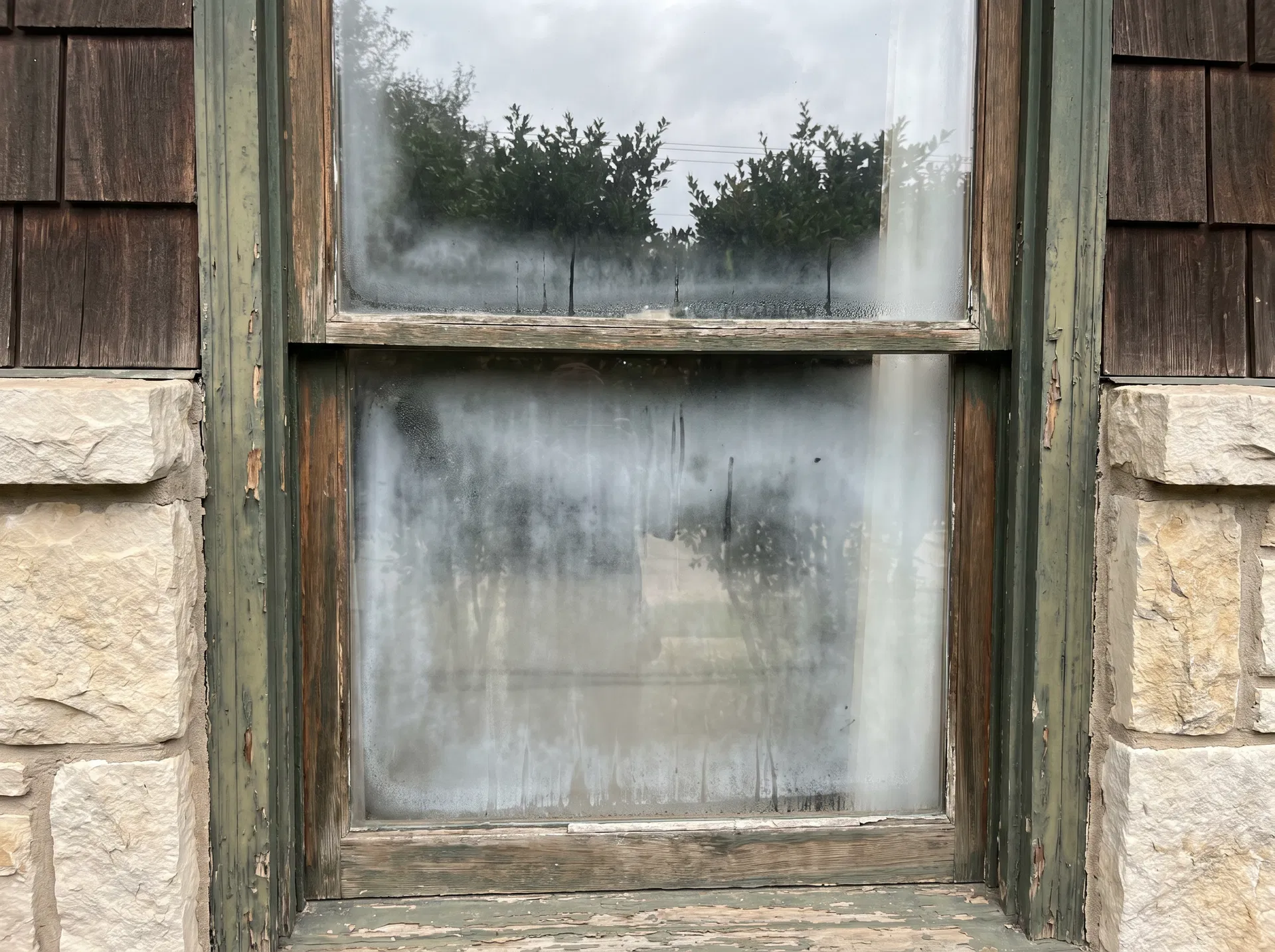
A classic example of a failed window seal causing permanent fog between the glass panes.
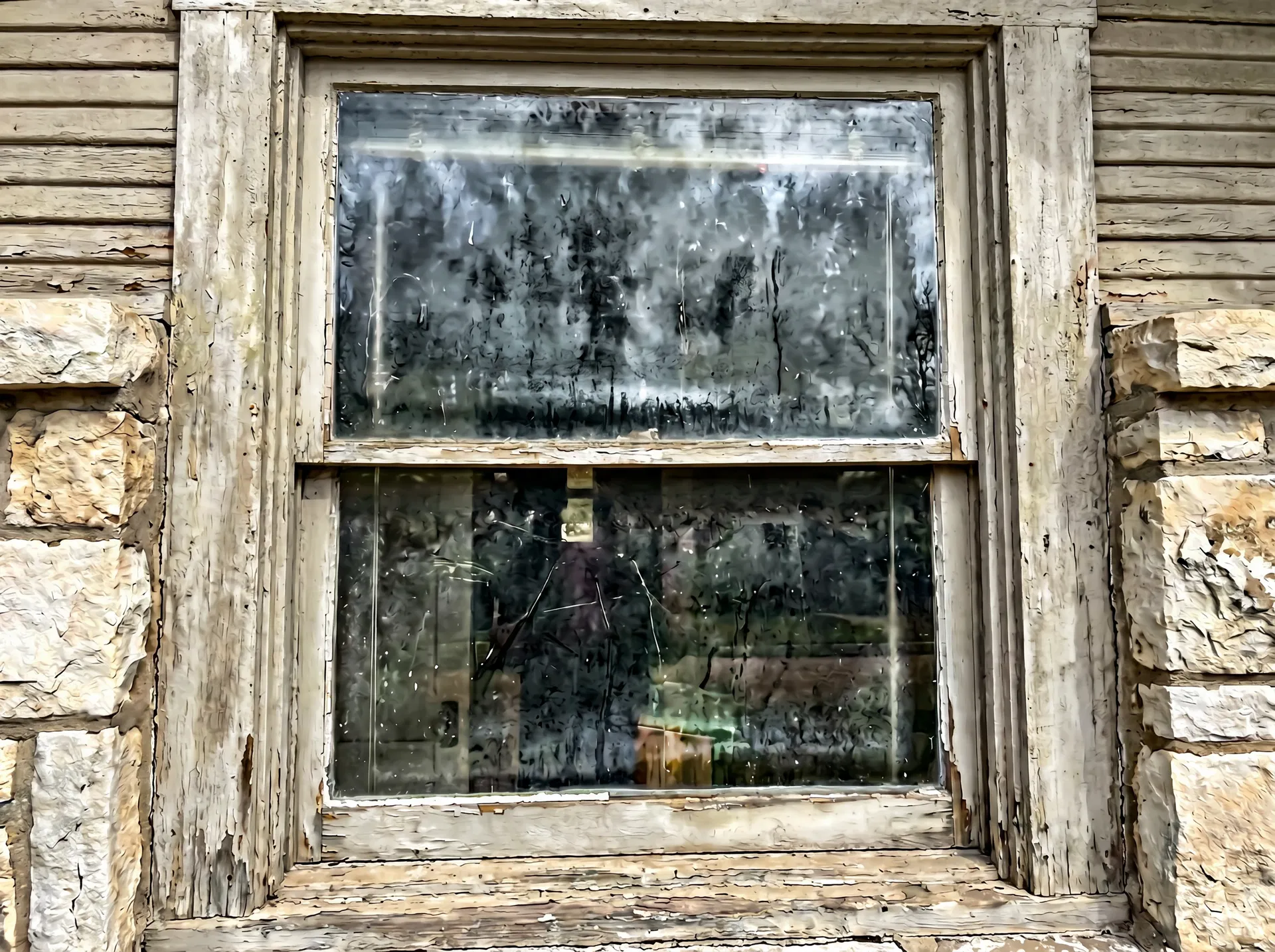
The same window after professional glass replacement, restoring clarity and energy efficiency.
If you notice this type of permanent haze, it is time to look into professional foggy glass repair. Replacing the affected glass unit is the only effective way to restore your window's clarity and insulating properties.
Practical Advice for Homeowners
Managing window condensation effectively requires a proactive approach. Here are some practical steps you can take to minimize harmless condensation and identify when you have a real problem on your hands.
Managing Seasonal Condensation
To reduce indoor condensation during the winter:
- Use Exhaust Fans: Always run exhaust fans in the kitchen and bathrooms to vent excess moisture outside.
- Open Blinds and Curtains: Allow warm air to circulate against the glass during the day to help evaporate moisture.
- Monitor Indoor Humidity: Aim to keep your home's indoor humidity between 30% and 50%. You can use a hygrometer to track this and run a dehumidifier if necessary.
To manage exterior condensation during the summer:
- Adjust Your Thermostat: Slightly raising your indoor temperature can warm the glass enough to prevent exterior condensation.
- Trim Landscaping: Ensure bushes and trees are trimmed away from your windows to promote better airflow and allow sunlight to reach the glass.
Identifying Seal Failure
The easiest way to tell if your window seal has failed is the "wipe test." If your window looks foggy, try wiping the inside of the glass. If the fog remains, go outside and wipe the exterior. If the glass is still cloudy, the moisture is trapped between the panes, indicating a broken seal.
For Fort Worth residents noticing seasonal fog patterns, it is important to monitor your windows throughout the year. A window that only fogs up occasionally might just be reacting to extreme weather, but a window that remains hazy regardless of the season definitely has a compromised seal.
Why DFW Weather Makes It Worse
The climate in the Dallas-Fort Worth area is particularly tough on double-pane windows. Our region experiences rapid temperature swings, intense UV radiation during the summer, and occasional deep freezes in the winter. This combination accelerates the wear and tear on window seals.
The intense summer sun bakes the seals, causing them to harden and lose their elasticity. When a sudden cold front rolls in, the rigid seals are unable to flex with the contracting glass, leading to micro-tears and eventual failure. This is why so many homeowners in our area find themselves dealing with foggy windows that cannot be cleaned.
Conclusion
Understanding the differences between winter and summer window condensation can save you a lot of worry. While moisture on the inside or outside of your glass is usually just a temporary reaction to temperature changes, fog trapped between the panes is a clear sign of seal failure.
Ignoring a broken window seal not only ruins your view but also compromises your home's energy efficiency, leading to higher heating and cooling bills. If you have tried wiping away the fog and it just won't budge, it is time to call in the experts.
Don't let foggy windows ruin your view or drive up your energy costs. If you are dealing with permanent condensation between your window panes, the team at Apex Windows TX is here to help. Give us a call today at (214) 263-3008 to schedule an assessment and restore the clarity of your windows!
Need Foggy Glass Replacement in Your Area?
We provide expert foggy glass replacement and window repair across the Dallas-Fort Worth metroplex. Click your city below for local pricing, neighborhoods served, and FAQs:
About the Author
Alvin Paulson
Co-Owner & Lead Technician, Apex Windows & Glass
Alvin Paulson co-founded Apex Windows & Glass. The company brings 30+ years of combined leadership experience to foggy glass replacement, insulated glass unit (IGU) repair, and energy-efficient window upgrades across Dallas-Fort Worth. Alvin's philosophy is simple: replace only what's broken, save the homeowner money, and explain the written product and workmanship coverage for the selected scope.