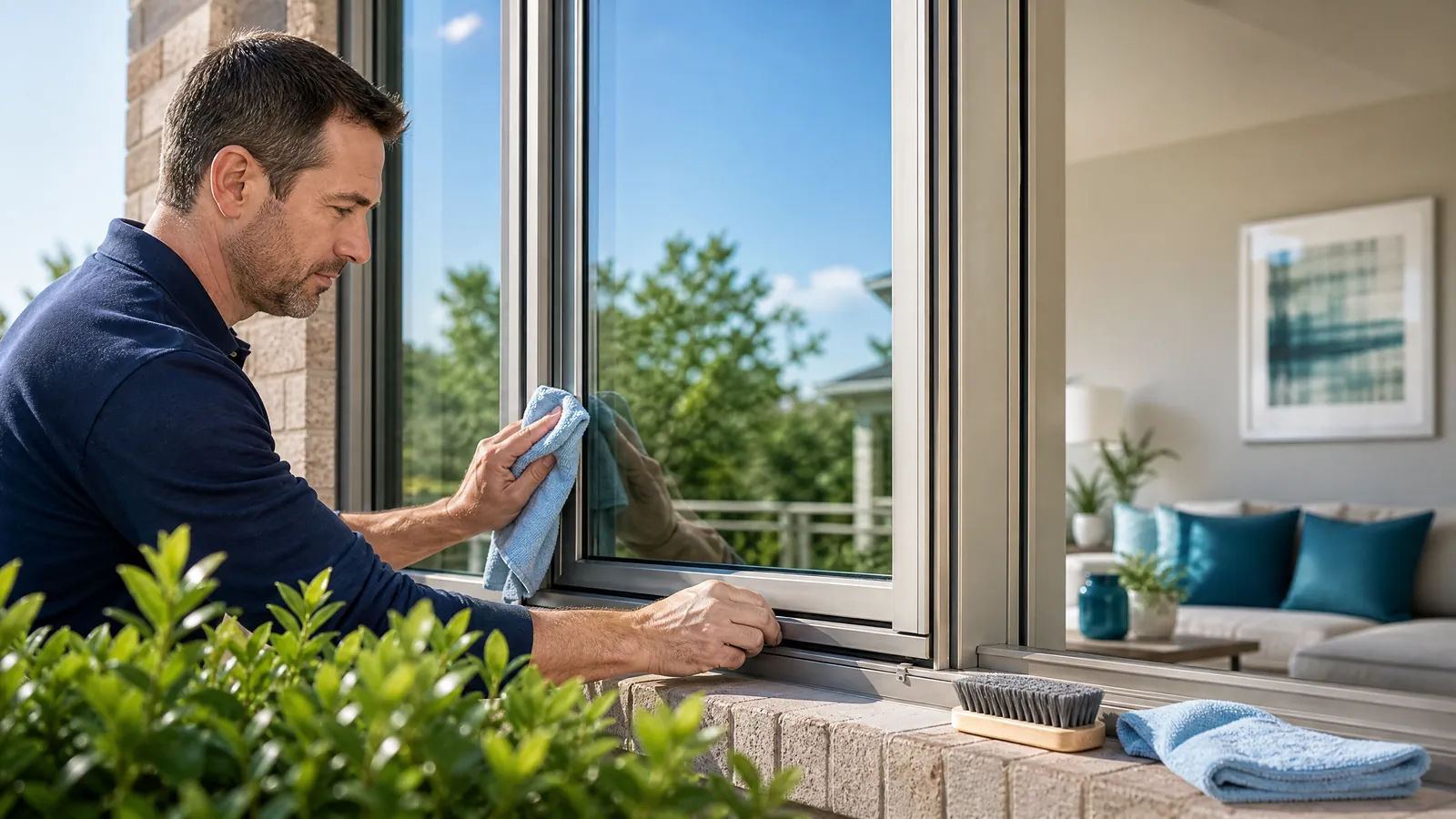
The intense Texas sun is famous for testing the limits of our homes, and your double-pane windows are no exception. If you have ever noticed a milky, hazy, or foggy appearance between the panes of your glass, you have witnessed the aftermath of window seal failure. While double-pane windows are fantastic for energy efficiency, the seals that hold the insulating gas inside and keep the moisture out are vulnerable to the extreme temperature fluctuations we experience in the Dallas-Fort Worth metroplex.
Fortunately, you do not have to sit back and wait for your windows to fail. By taking a proactive approach to home maintenance, you can significantly extend the lifespan of your insulated glass units (IGUs). In this guide, we will explore practical, actionable tips to help you prevent window seal failure and keep your view crystal clear.
Understanding the Texas Climate Challenge
Before diving into prevention, it is helpful to understand why window seals fail in the first place. The primary culprit in Texas is a phenomenon known as "solar pumping."
During a scorching summer day, the sun beats down on your windows, causing the air or gas trapped between the glass panes to heat up and expand. This expansion puts immense pressure on the window seals, pushing air out. When the sun goes down and the temperature drops, the space between the panes cools and contracts, creating a vacuum that pulls outside air—and humidity—back in.
Over years of enduring this daily cycle of expansion and contraction, the flexible sealant holding the glass together eventually weakens, hardens, and cracks. Once the seal is broken, moisture from the humid Texas air becomes permanently trapped between the panes, leading to that dreaded foggy appearance.
Practical Prevention Tips for Your Windows
While you cannot control the weather, you can control how your home defends against it. Here are the most effective ways to protect your window seals from premature failure.
1. Exterior Caulk Maintenance
The first line of defense for your window seals is the exterior caulking around the window frame. Caulk prevents water from seeping into the window assembly and pooling around the edges of the IGU. If water sits at the base of the glass, it will rapidly degrade the seal.
Inspect the exterior caulking around your windows at least once a year, preferably in the spring or fall. Look for signs of cracking, peeling, or shrinking. If you notice any gaps, carefully scrape away the old caulk and apply a fresh bead of high-quality, exterior-grade silicone sealant. This simple maintenance task takes only a few minutes per window but can add years to their lifespan.
2. Plant Shade Trees and Optimize Landscaping
One of the most natural ways to reduce the impact of solar pumping is to block the sun before it ever reaches your glass. Planting shade trees strategically around the south and west-facing sides of your home can drastically reduce the thermal load on your windows.
Deciduous trees are an excellent choice for the Texas climate. They provide thick, leafy shade during the brutal summer months, protecting your window seals from extreme heat. In the winter, they lose their leaves, allowing the gentle winter sun to warm your home. If trees are not an option, consider installing exterior awnings or pergolas to provide structural shade.
3. Apply Window Films for UV Protection
If you have windows that receive direct, unfiltered sunlight for hours each day, applying a UV-blocking window film can be a game-changer. These films are designed to reflect a significant portion of the sun's heat and ultraviolet rays away from the glass.
By reducing the amount of heat absorbed by the window, you minimize the severity of the expansion and contraction cycle. However, it is crucial to choose the right type of film. Always consult with a professional or check your window manufacturer's guidelines, as applying the wrong type of film to double-pane glass can actually trap heat and accelerate seal failure.
4. Ensure Proper Drainage and Moisture Control
Moisture is the enemy of window seals. Your window frames are designed with small "weep holes" at the bottom of the exterior track. These holes allow any water that gets into the track to drain out safely.
Over time, dirt, dead bugs, and debris can clog these weep holes. When this happens, rainwater has nowhere to go and pools around the bottom edge of the insulated glass unit. The constant exposure to standing water will quickly rot the seal. Make it a habit to clean your window tracks regularly and use a wire or compressed air to ensure the weep holes are clear and functioning properly.
5. Address Foundation Issues Promptly
The soil in the Dallas-Fort Worth area is notorious for shifting, expanding, and contracting depending on the moisture levels. This movement can cause your home's foundation to settle unevenly.
When a house settles, the window frames can warp or twist out of square. This structural stress puts uneven pressure on the glass and the seals. If you notice cracks in your drywall, doors that stick, or visible gaps around your window frames, have your foundation inspected. Addressing foundation issues early not only protects your home's structural integrity but also prevents mechanical stress from tearing your window seals apart.
6. Conduct Regular Inspections
Knowledge is power when it comes to home maintenance. Take the time to visually inspect your windows every few months. Look for condensation forming between the panes—this is the definitive sign that a seal has failed. Also, check for drafts, difficulty opening or closing the sashes, and any visible deterioration of the rubber gaskets holding the glass in place.
For Southlake homeowners looking to extend window seal life, staying vigilant with these inspections is the best way to catch minor issues before they require major interventions.
What to Do When Prevention Isn't Enough
Despite your best efforts, window seals have a finite lifespan. Most builder-grade windows will last 10 to 15 years before the seals begin to fail, while higher-quality units might last 20 years or more.
If you start noticing a milky haze or permanent condensation between your glass panes, the seal is already broken. Unfortunately, you cannot simply wipe this moisture away, and resealing the window from the outside will not fix the problem. The insulating gas is gone, and the thermal efficiency of the window is compromised.
However, you do not need to replace the entire window frame. The most cost-effective and practical solution is professional foggy glass repair. This process involves carefully removing the failed insulated glass unit from your existing frame and replacing it with a brand-new, factory-sealed unit.
To see the difference this can make, take a look at this transformation:
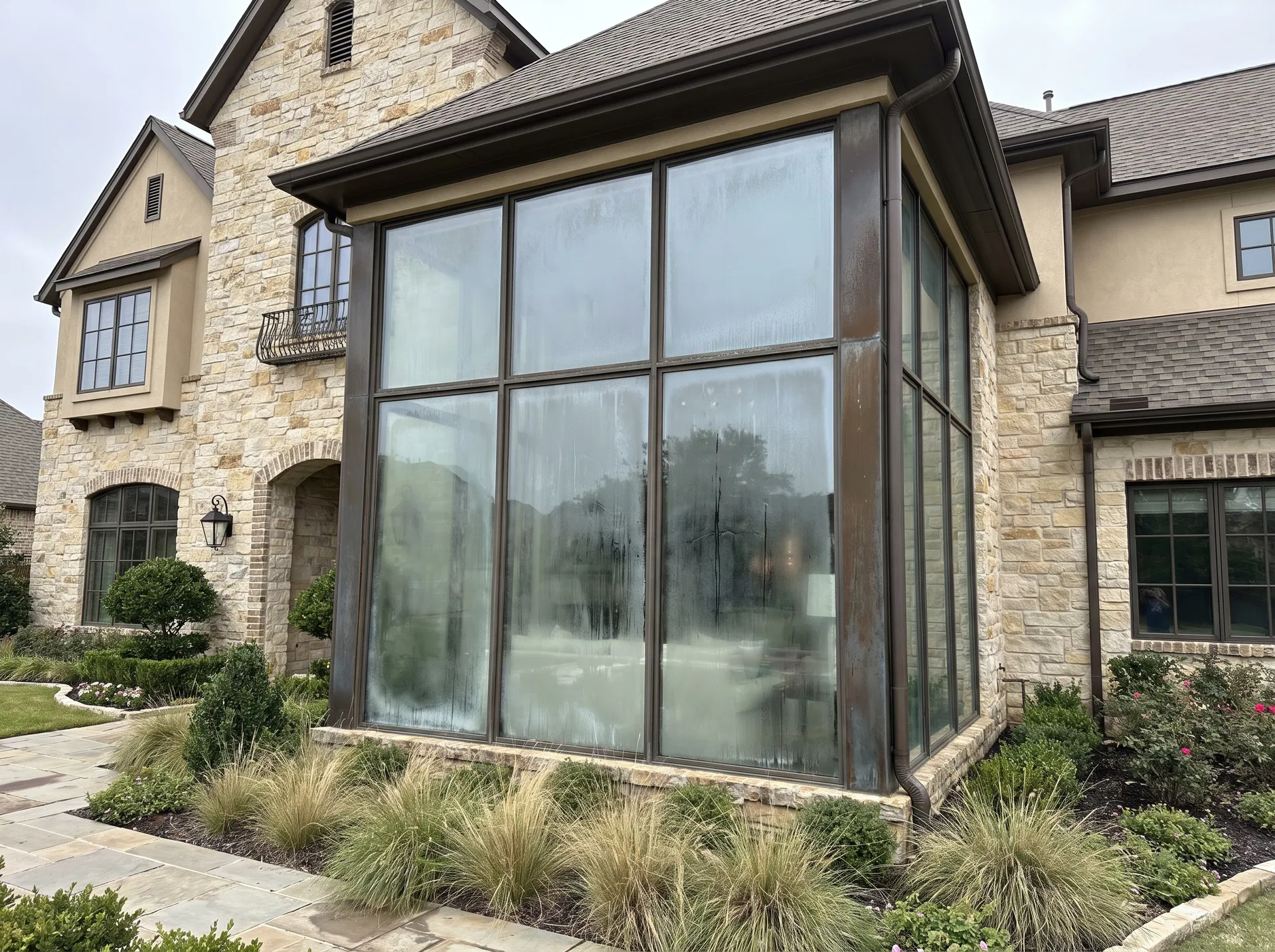
Before: A window suffering from severe seal failure and trapped moisture.
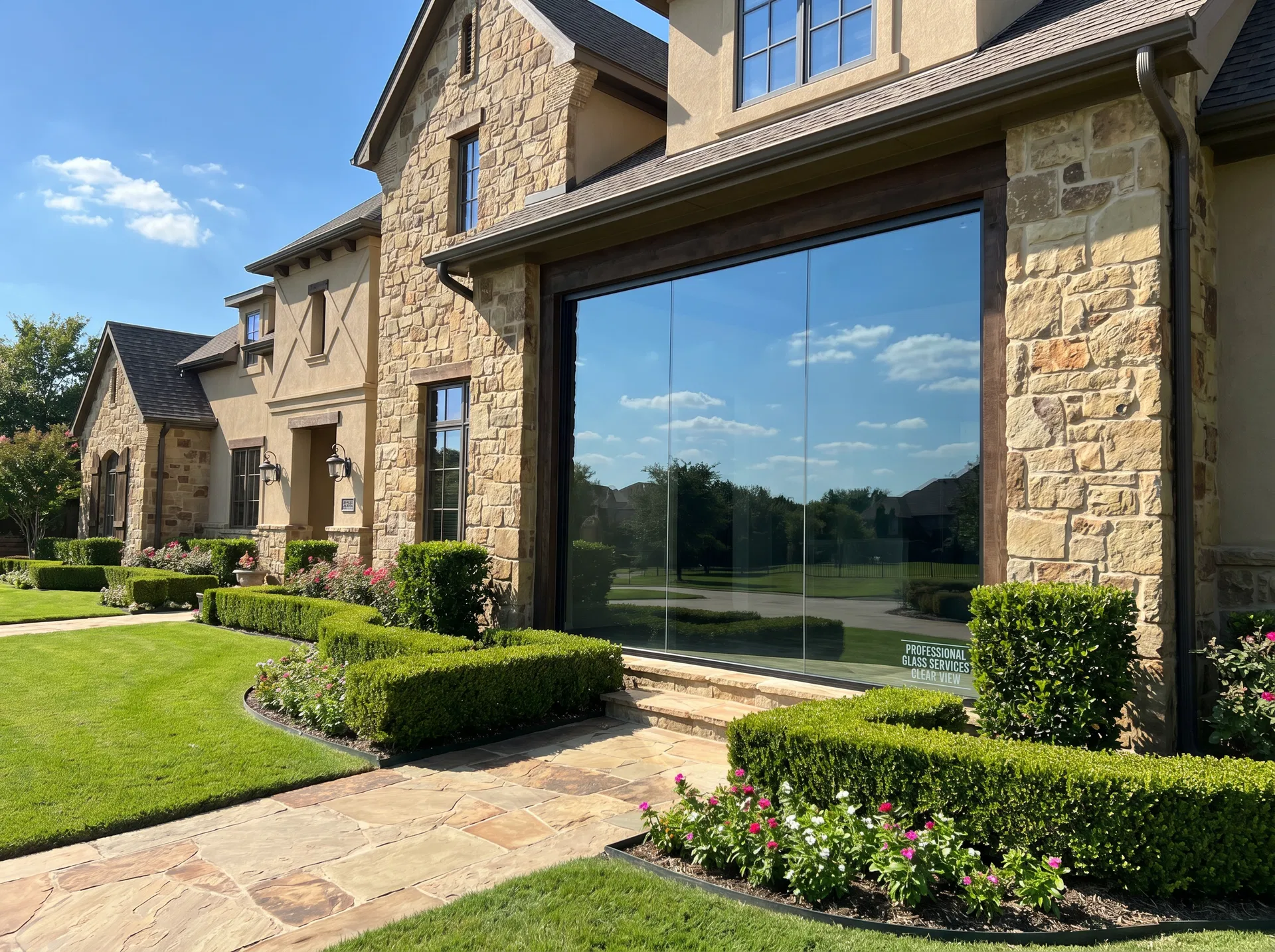
After: The same window frame restored with a new, crystal-clear insulated glass unit.
Keep Your Texas Home Beautiful and Efficient
Maintaining your windows is an essential part of protecting your home's value and energy efficiency. By keeping up with exterior caulking, managing sun exposure, ensuring proper drainage, and monitoring your foundation, you can give your window seals the best possible chance at a long life.
If you have noticed that your windows are already showing signs of seal failure, do not wait for the problem to worsen. Restoring your view and your home's energy efficiency is easier and more affordable than you might think.
For expert advice or to schedule a professional glass replacement, contact Apex Windows TX today at (214) 263-3008. We are here to help you keep your home looking its absolute best.
Need Foggy Glass Replacement in Your Area?
We provide expert foggy glass replacement and window repair across the Dallas-Fort Worth metroplex. Click your city below for local pricing, neighborhoods served, and FAQs:
About the Author
Alvin Paulson
Co-Owner & Lead Technician, Apex Windows & Glass
Alvin Paulson co-founded Apex Windows & Glass and brings over 30 years of hands-on expertise in foggy glass replacement, insulated glass unit (IGU) repair, and energy-efficient window upgrades. Born and raised in North Texas, Alvin has personally assessed and repaired thousands of windows across the Dallas-Fort Worth metroplex — from historic McKinney homes to new-build subdivisions in Frisco and Prosper. He is a licensed glazier and holds certifications in Low-E glass installation and argon gas window systems. Alvin's philosophy is simple: replace only what's broken, save the homeowner money, and back every job with a 10-Year IGU manufacturer warranty + Apex 1-Year workmanship warranty.