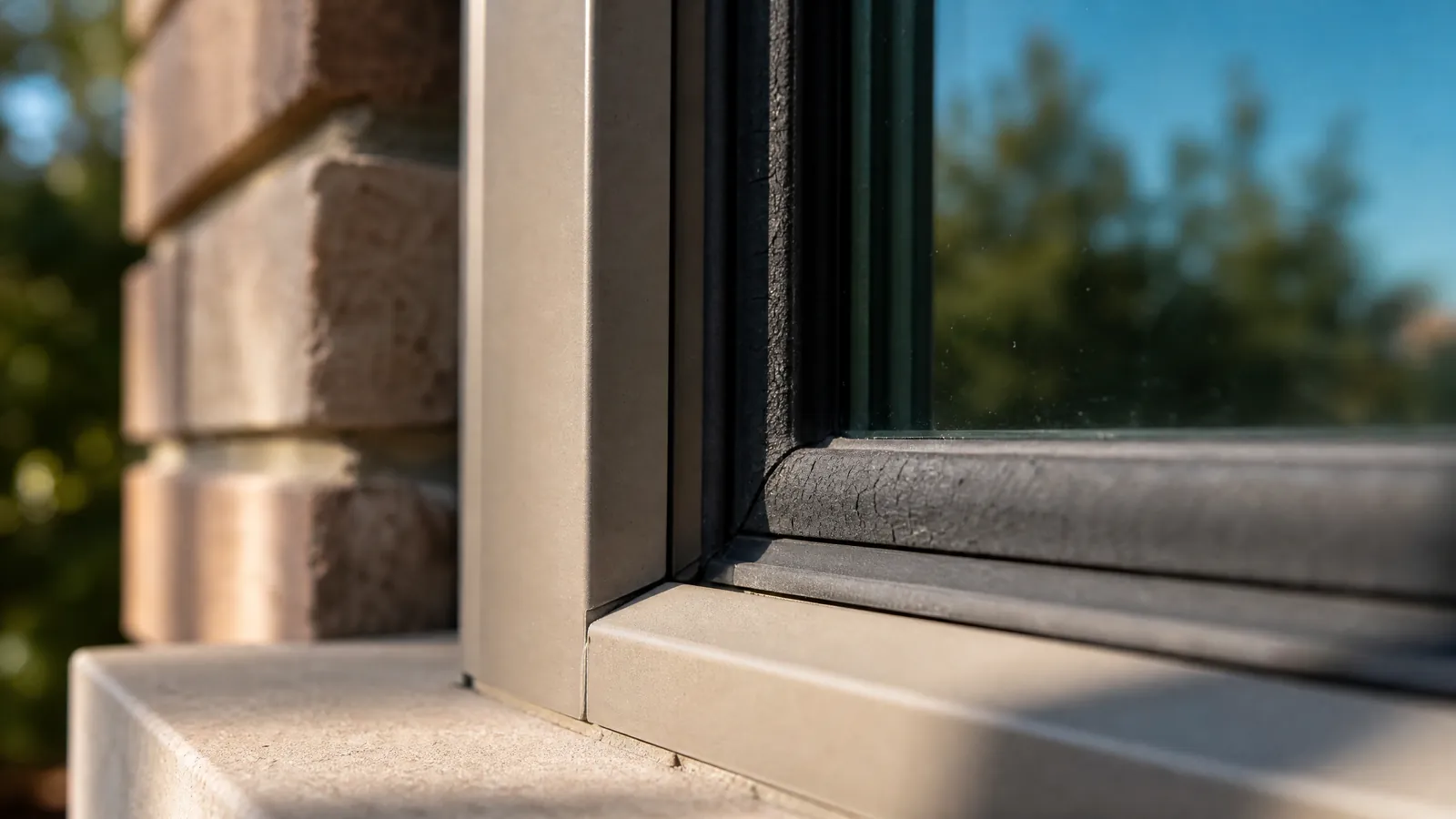
If you live in the Dallas-Fort Worth metroplex, you are no stranger to the intense heat and bright sunlight that characterize our long summers. While we often think about how the sun affects our skin, our roofs, and our monthly energy bills, we rarely consider its hidden impact on our windows. Specifically, the invisible ultraviolet (UV) rays from the sun are constantly at work, slowly breaking down the very materials that keep your double-pane windows insulated, efficient, and clear.
Understanding how UV exposure degrades window seals is crucial for homeowners who want to maximize the lifespan of their windows and avoid the dreaded foggy glass phenomenon. Let's dive into the science behind UV degradation, explore why Texas homes are particularly vulnerable to this type of damage, and discuss what you can do to protect your investment.
The Science of Sunlight: Why Texas Windows Face Unique Challenges
It is a well-known fact that Texas gets a lot of sun, but the specific type of sunlight we receive makes a significant difference in how building materials age over time. Compared to northern states, Texas is positioned closer to the equator, meaning the sun's rays hit our region at a much more direct angle. This direct angle results in a higher concentration of UV radiation reaching the surface of your home.
Furthermore, the sheer number of sunny days in Texas means that our homes are subjected to prolonged, relentless UV exposure year-round. While a window in a northern climate might get a break during long, cloudy, and snowy winters, a window in Texas is constantly bombarded by UV rays, even in December and January. This continuous, year-round exposure accelerates the wear and tear on exterior building materials, particularly the flexible sealants used in modern insulated glass units (IGUs).
The Chemistry of UV Degradation on Window Seals
To truly understand why windows fail, we have to look at the microscopic level of the materials holding them together. Most modern double-pane windows rely on a sophisticated dual-seal system to keep the insulating gas (like argon or krypton) inside the unit and the ambient moisture out.
Butyl and Polysulfide Sealants Explained
The primary seal, which acts as the main barrier stopping moisture vapor from entering the window unit, is typically made of polyisobutylene (PIB), commonly known as butyl rubber. The secondary seal, which provides the structural strength and holds the heavy panes of glass together, is often made of silicone, polyurethane, or polysulfide.
These specific materials are chosen by manufacturers for their excellent flexibility, strong adhesion to glass, and resistance to extreme temperature changes. However, despite their durability, they are not entirely immune to the powerful forces of nature.
How UV Rays Break Down Chemical Bonds
Ultraviolet light carries a significant amount of energy—enough energy to actually break the chemical bonds within the polymers that make up these window sealants. This destructive process is known in chemistry as photodegradation.
When UV rays hit the polysulfide or butyl sealants around the perimeter of your window glass, the energy excites the molecules, causing the long polymer chains to literally break apart. Over time, this chemical breakdown fundamentally changes the physical properties of the sealant. A material that was once highly flexible and rubbery becomes hard, brittle, and prone to cracking.
As the sealant loses its natural elasticity, it can no longer expand and contract effectively with the glass as temperatures fluctuate dramatically from a cool Texas morning to a blistering afternoon. Eventually, microscopic cracks begin to form in the degraded sealant, compromising the structural integrity and the airtight nature of the entire window unit.
The Domino Effect: From UV Damage to Foggy Glass
Once the UV rays have compromised the window seal, an inevitable chain reaction begins. The microscopic cracks allow the dense insulating gas to slowly leak out, immediately reducing the window's energy efficiency. More importantly, these tiny fissures allow ambient outside air—which naturally carries humidity and moisture—to enter the sealed space between the glass panes.
During the intense heat of a Texas afternoon, the air inside the window unit expands, pushing some air out through the compromised seal. As the temperature drops in the evening, the air contracts, drawing fresh, moisture-laden air back into the unit. This daily cyclical process, known as solar pumping, continually introduces new moisture into the window cavity.
Initially, the silica desiccant hidden inside the aluminum window spacer absorbs this incoming moisture, keeping the glass clear. But eventually, the desiccant becomes completely saturated and can hold no more water. Once that happens, the trapped moisture condenses on the inside of the cold glass, resulting in the milky, foggy appearance that ruins your view and blocks natural light.
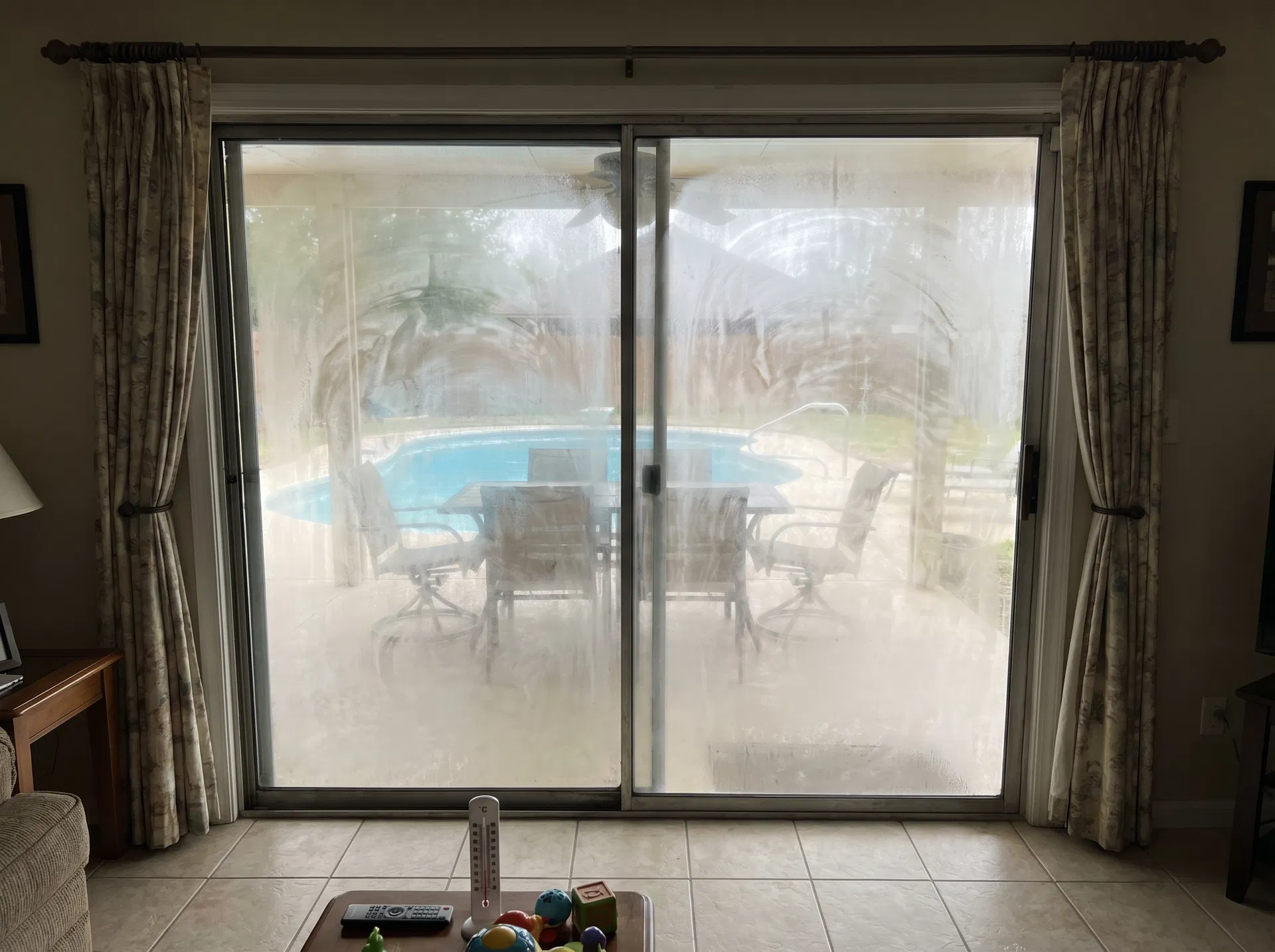
Before: A window suffering from a failed seal and severe condensation buildup due to UV degradation.
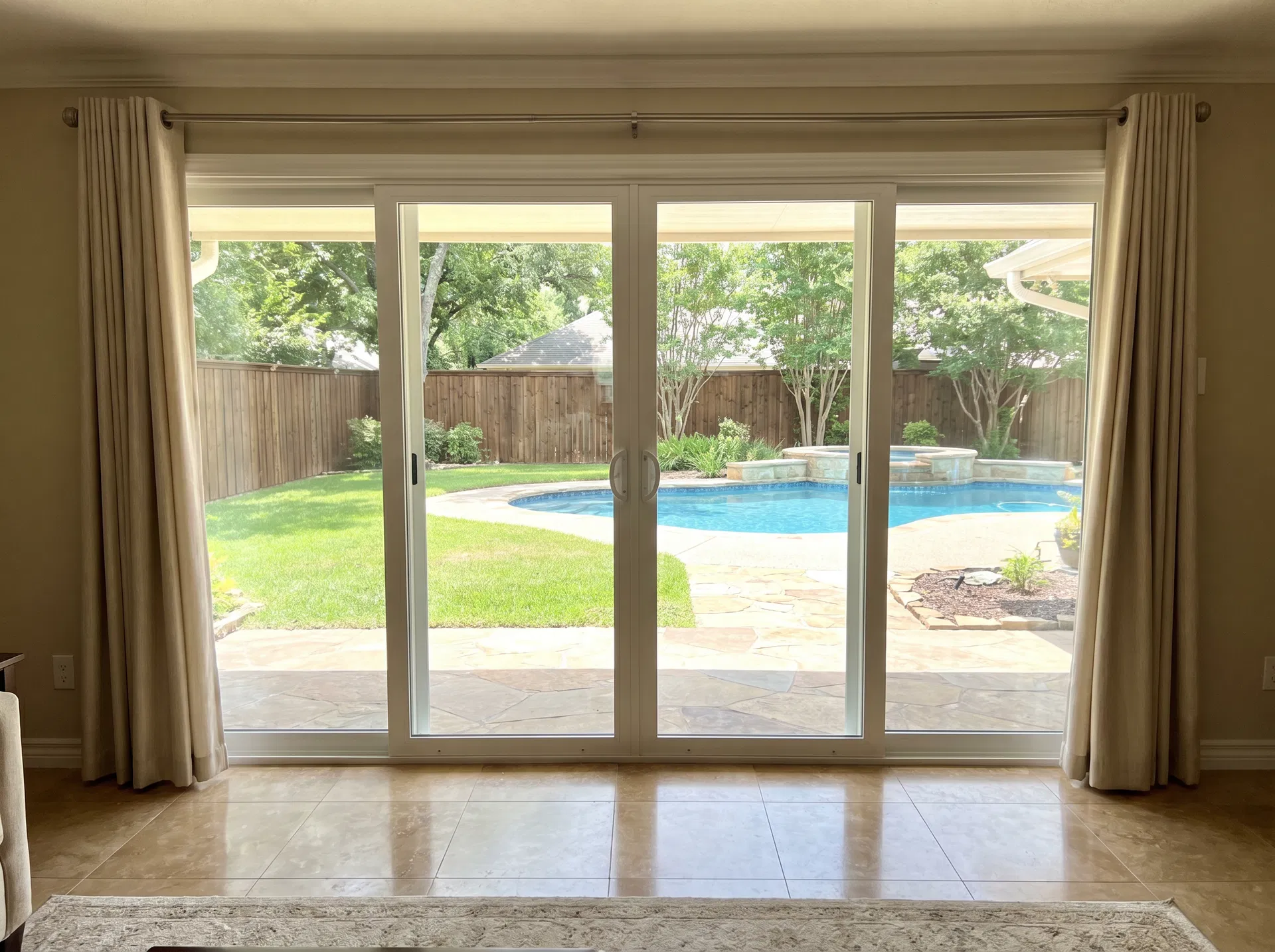
After: The same window restored to crystal clarity after professional glass replacement.
How Low-E Coatings Protect Your Window Seals
If you are looking to protect your windows from UV damage, Low-Emissivity (Low-E) coatings are one of the most effective modern technologies available. A Low-E coating is a microscopically thin, virtually transparent layer of metallic particles applied directly to the glass surface during manufacturing.
While Low-E coatings are primarily known for reflecting infrared heat (keeping your home significantly cooler in the summer and reducing AC costs), they also play a crucial role in blocking UV radiation. High-quality Low-E glass can block up to 95% of the sun's harmful UV rays from passing through the pane.
By filtering out the UV light before it reaches the perimeter of the window unit, Low-E coatings significantly reduce the photodegradation of the butyl and polysulfide sealants. This vital protection helps the seals maintain their flexibility and structural integrity for a much longer period, effectively extending the overall lifespan of the window and delaying the onset of seal failure.
Practical Prevention Strategies for Texas Homeowners
While you cannot turn off the Texas sun, there are practical, actionable steps you can take to mitigate UV damage and protect your window seals from premature failure.
Strategic Shading and Landscaping
One of the simplest and most effective ways to reduce UV exposure is to physically block the sunlight before it hits the glass. Planting shade trees or tall, dense shrubs on the south and west-facing sides of your home can dramatically reduce the amount of direct sunlight hitting your windows during the hottest parts of the day.
Additionally, installing exterior shading devices like permanent awnings, heavy-duty solar screens, or exterior shutters can intercept UV rays before they ever reach the glass surface. It is important to note that interior window treatments, such as UV-blocking blinds or heavy curtains, are great for protecting your interior furniture and hardwood floors, but they do not prevent UV rays from hitting the exterior window seals themselves.
Regular Maintenance and Inspection
Keeping your windows clean and well-maintained can also help prolong their life. Dirt, dust, and organic debris that accumulate along the bottom edge of the window frame can trap moisture against the seal, accelerating its deterioration. Regularly cleaning the window tracks and ensuring that the weep holes (the small drainage holes at the bottom of the exterior frame) are clear of blockages will help keep the seals dry and functioning properly.
It is also wise to inspect your windows periodically. Look for signs of brittle, shrinking, or cracking caulk around the exterior frame, and check for any early signs of condensation or haziness between the panes. Catching a problem early can sometimes help you plan for repairs before the issue affects your home's energy efficiency.
When Prevention Isn't Enough: Addressing Foggy Glass
Despite your best efforts and preventative maintenance, the combination of intense UV exposure, extreme Texas heat, and the passage of time will eventually take a toll on even the highest-quality window seals. If you notice condensation, haziness, or a milky white residue forming between your window panes, the seal has already failed.
Unfortunately, once a seal is broken and the glass becomes foggy, there is no way to reseal the existing unit or clean the inside of the glass effectively. The only permanent, reliable solution is to replace the insulated glass unit itself.
The good news is that you do not necessarily need to replace the entire window frame, which can be incredibly disruptive and expensive. Professional glass replacement services can carefully remove the failed glass unit and install a brand-new, factory-sealed unit directly into your existing frame. This targeted approach is significantly more cost-effective than full window replacement and instantly restores both the clarity and the energy efficiency of your home.
If you are dealing with failed window seals, you are certainly not alone. Many Arlington homeowners with UV-damaged seals have successfully restored their beautiful views without the massive expense of full window replacements. By opting for targeted foggy glass repair, you can upgrade to modern, UV-resistant Low-E glass that will stand up to the harsh Texas sun for years to come.
If your windows have lost their clarity due to UV degradation and seal failure, it is time to bring the natural light back into your home. Contact Apex Windows TX today at (214) 263-3008 to schedule a consultation and learn how we can restore your windows to their original, crystal-clear condition.
Need Foggy Glass Replacement in Your Area?
We provide expert foggy glass replacement and window repair across the Dallas-Fort Worth metroplex. Click your city below for local pricing, neighborhoods served, and FAQs:
About the Author
Alvin Paulson
Co-Owner & Lead Technician, Apex Windows & Glass
Alvin Paulson co-founded Apex Windows & Glass. The company brings 30+ years of combined leadership experience to foggy glass replacement, insulated glass unit (IGU) repair, and energy-efficient window upgrades across Dallas-Fort Worth. Alvin's philosophy is simple: replace only what's broken, save the homeowner money, and explain the written product and workmanship coverage for the selected scope.