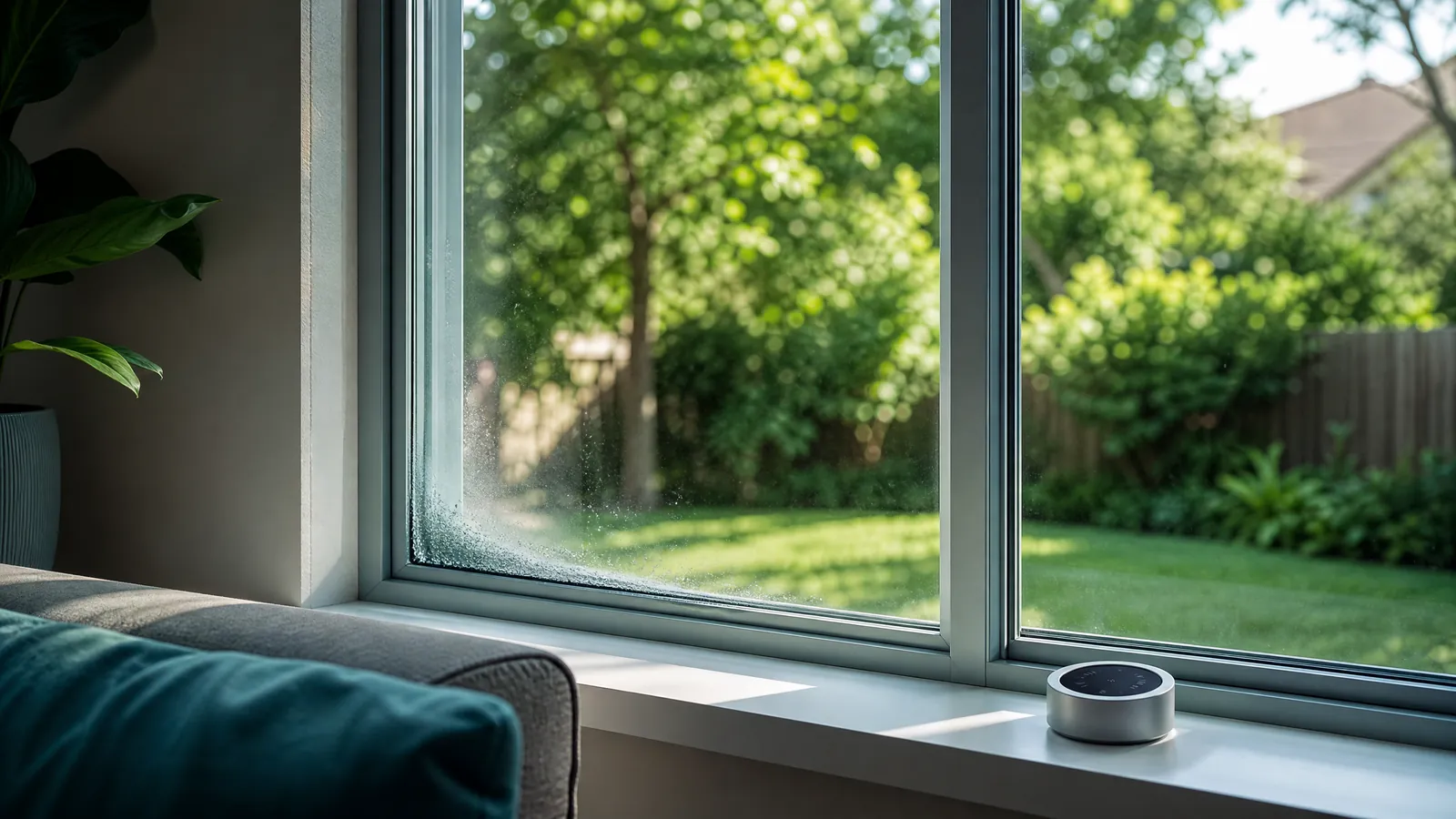
# How DFW Humidity Accelerates Window Seal Failure
Living in the Dallas-Fort Worth metroplex means experiencing a wide range of weather conditions, from scorching summer heat to unexpected winter freezes. However, one of the most persistent and often overlooked environmental factors affecting your home is the region's humid subtropical climate. While we often focus on how humidity affects our comfort outdoors, it also plays a significant role in the lifespan of our home's building materials. Specifically, high humidity levels are a primary catalyst for the degradation and eventual failure of double-pane window seals.
Understanding the relationship between atmospheric moisture and window integrity is crucial for homeowners who want to maintain energy efficiency and clear views. In this article, we will explore the science behind window seal failure, the mechanics of moisture intrusion, and why the unique climate of North Texas is particularly hard on your windows.
The Anatomy of a Double-Pane Window
To understand how humidity damages window seals, it is helpful to first understand how double-pane windows are constructed. Also known as insulated glass units (IGUs), these windows consist of two panes of glass separated by a spacer. The space between the glass is typically filled with an inert gas, such as argon, which provides thermal insulation.
The spacer itself is not just a structural component; it contains a desiccant material, usually silica gel, designed to absorb any residual moisture trapped within the unit during manufacturing. Finally, the entire perimeter of the IGU is sealed with a high-strength sealant to keep the insulating gas inside and the outside air out.
The Phenomenon of Solar Pumping
The primary mechanism that stresses window seals is a process known as solar pumping. Throughout the day, the sun heats the glass and the air or gas trapped between the panes. As the temperature rises, the gas expands, creating outward pressure on the glass and the seals. When the sun sets and the temperature drops, the gas cools and contracts, creating a vacuum effect that pulls the glass inward.
This daily cycle of expansion and contraction acts like a bellows, constantly stressing the perimeter seals. Over time, this continuous mechanical stress causes the sealant to weaken, lose its elasticity, and eventually develop microscopic cracks. While solar pumping happens everywhere, the extreme temperature fluctuations in the DFW area exacerbate the process, causing seals to degrade faster than they might in more temperate climates.
Moisture Intrusion Mechanics and Desiccant Saturation
Once the window seal is compromised, the vacuum effect created during the cooling phase of solar pumping begins to draw outside air into the space between the glass panes. This is where the high humidity of North Texas becomes a critical factor.
When the air drawn into the window is highly humid, it carries a significant amount of water vapor. Initially, the desiccant material hidden within the window's spacer absorbs this moisture. The desiccant acts as a sponge, keeping the air between the panes dry and preventing condensation from forming on the inside of the glass.
However, the desiccant has a finite capacity. In a humid climate like DFW, the constant influx of moisture-laden air quickly overwhelms the silica gel. Once the desiccant reaches its saturation point, it can no longer absorb any more water vapor. At this stage, the moisture remains in the air between the glass panes. When the temperature of the glass drops below the dew point of the trapped air, the water vapor condenses into liquid water, resulting in the cloudy, foggy appearance that characterizes a failed window seal.
Why the North Texas Climate is Particularly Harsh
The DFW metroplex is situated in a humid subtropical climate zone, characterized by hot, humid summers and generally mild to cool winters. This specific combination of environmental factors creates a perfect storm for window seal failure.
First, the intense summer heat accelerates the degradation of the sealant materials. Prolonged exposure to high temperatures and ultraviolet radiation causes the polymers in the sealants to break down, become brittle, and lose their adhesive properties.
Second, the high ambient humidity means that every time the window "breathes" in outside air due to solar pumping, it is taking in a large volume of moisture. In drier climates, a compromised seal might not result in visible fogging for years because the incoming air contains very little water vapor. In North Texas, the rapid saturation of the desiccant means that visual evidence of seal failure appears much sooner.
Recognizing the Signs of Seal Failure
The most obvious sign of a failed window seal is condensation or fogging between the panes of glass. Unlike condensation on the interior or exterior surface of the window, which can be wiped away, moisture between the panes is trapped and cannot be cleaned.
Initially, you might only notice a slight haze or occasional fogging during specific weather conditions, such as a cool morning following a humid day. Over time, as more moisture accumulates, the fogging will become permanent. Beyond the visual impact, a failed seal also compromises the window's insulating properties, leading to drafts, uneven indoor temperatures, and increased heating and cooling costs.
Practical Advice for Homeowners
While you cannot control the weather in Dallas-Fort Worth, there are steps you can take to mitigate the impact of humidity on your windows and extend their lifespan.
Manage Indoor Humidity
While outdoor humidity is a major factor, indoor humidity also plays a role, especially during the winter months. Activities such as cooking, showering, and running humidifiers add moisture to the indoor air. Use exhaust fans in kitchens and bathrooms, and ensure your home is properly ventilated to keep indoor humidity levels in check.
Regular Window Inspections
Inspect your windows regularly for signs of wear and tear. Look for cracking or peeling caulking around the exterior window frame, as this can allow water to seep into the window structure and accelerate seal degradation. Re-caulking the exterior perimeter of the window frame can help protect the IGU from direct water exposure.
Ensure Proper Drainage
Make sure the weep holes at the bottom of your window frames are clear of debris. These small holes are designed to allow water that gets into the frame to drain out. If they become clogged with dirt or insects, water can pool around the bottom of the IGU, constantly exposing the seal to moisture and accelerating its failure.
The Solution: Addressing Failed Window Seals
When a window seal fails and the glass becomes foggy, the most effective and economical solution is often replacing the glass unit itself, rather than the entire window frame. This process restores the window's clarity and insulating properties without the expense and disruption of a full window replacement.
For Southlake homeowners in high-humidity areas, as well as residents throughout the DFW metroplex, addressing foggy windows promptly can prevent further damage to the window frame and improve the overall energy efficiency of the home.
If you are experiencing condensation between your window panes, professional foggy glass repair is the best course of action. A qualified technician can measure the existing glass, manufacture a new insulated glass unit, and install it into your existing frame.
Before and After: The Impact of Glass Replacement
The difference between a failed, foggy window and a newly replaced glass unit is dramatic. Not only does it restore your view, but it also instantly improves the curb appeal of your home.
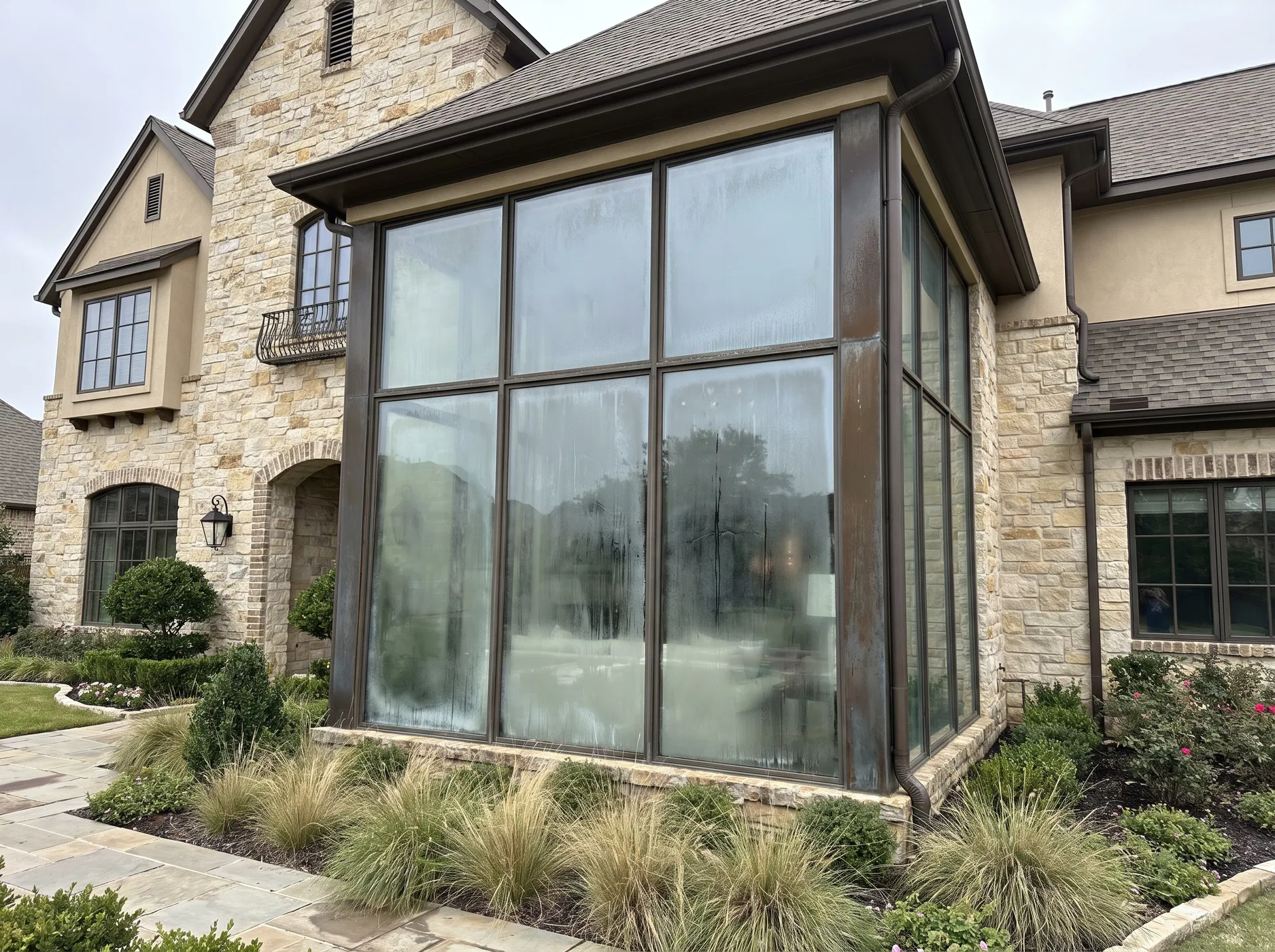
Before: A window suffering from severe seal failure and moisture intrusion, obscuring the view and reducing energy efficiency.

After: The same window frame with a newly installed insulated glass unit, restoring crystal-clear visibility and thermal performance.
Conclusion
The humid subtropical climate of the Dallas-Fort Worth area presents unique challenges for the longevity of double-pane windows. The combination of intense heat, high humidity, and rapid temperature fluctuations accelerates the process of solar pumping, leading to premature seal degradation and desiccant saturation. By understanding these mechanics and taking proactive steps to maintain your windows, you can help extend their lifespan.
However, when seal failure does occur, it is important to address it promptly to maintain your home's energy efficiency and aesthetic appeal. If you are dealing with foggy windows and obstructed views, don't wait for the problem to worsen. Contact Apex Windows TX today at (214) 263-3008 to schedule a consultation and restore the clarity of your windows.
Need Foggy Glass Replacement in Your Area?
We provide expert foggy glass replacement and window repair across the Dallas-Fort Worth metroplex. Click your city below for local pricing, neighborhoods served, and FAQs:
About the Author
Alvin Paulson
Co-Owner & Lead Technician, Apex Windows & Glass
Alvin Paulson co-founded Apex Windows & Glass. The company brings 30+ years of combined leadership experience to foggy glass replacement, insulated glass unit (IGU) repair, and energy-efficient window upgrades across Dallas-Fort Worth. Alvin's philosophy is simple: replace only what's broken, save the homeowner money, and explain the written product and workmanship coverage for the selected scope.