# Single-Pane vs Double-Pane vs Triple-Pane Windows Explained
When it comes to upgrading or replacing the windows in your home, the terminology can quickly become overwhelming. Among the most common terms you will encounter are single-pane, double-pane, and triple-pane windows. Understanding the differences between these configurations is crucial for making an informed decision that balances cost, energy efficiency, and comfort. For homeowners in the Dallas-Fort Worth metroplex, where the climate can swing from scorching summer heat to freezing winter storms, choosing the right window pane configuration is especially important.
In this comprehensive guide, we will explore the science behind window panes, compare their insulation values, discuss cost differences, and explain why a specific configuration is often the sweet spot for Texas homes.
The Basics of Window Pane Configurations
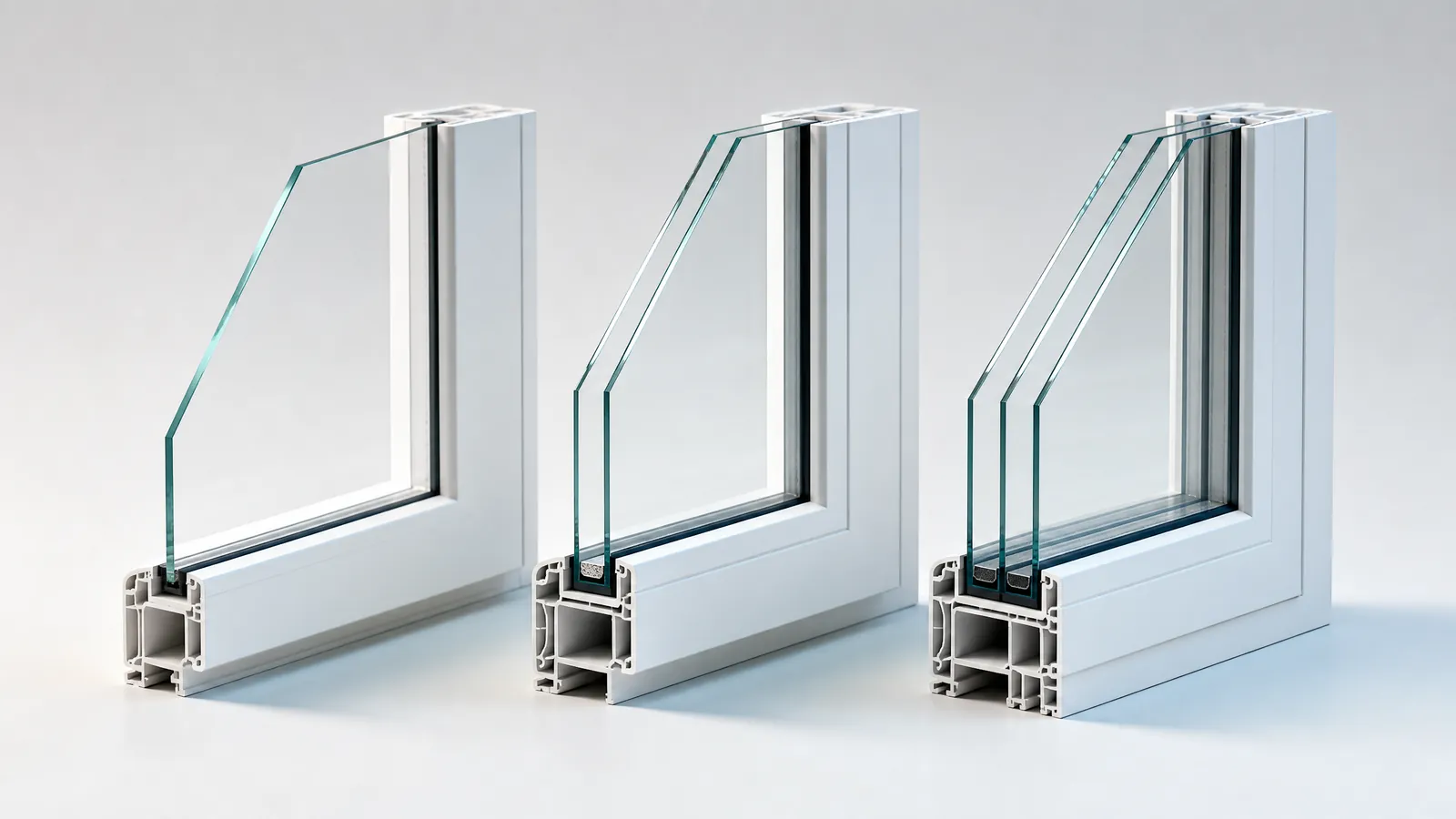
The "pane" of a window refers to the sheet of glass that separates the interior of your home from the outside environment. Historically, most homes were built with single-pane windows, which consist of just one layer of glass. As building science advanced and energy efficiency became a priority, manufacturers began adding multiple layers of glass, separated by insulating spacers and filled with inert gases like argon or krypton.
The primary goal of adding more panes is to improve the window's thermal performance. This performance is typically measured using two key metrics: the U-factor and the R-value. The U-factor measures how well a window prevents heat from escaping, with lower numbers indicating better insulation. Conversely, the R-value measures the window's resistance to heat flow, with higher numbers indicating better insulation. Understanding these metrics is essential when comparing single, double, and triple-pane options.
Single-Pane Windows: A Relic of the Past
Single-pane windows are exactly what they sound like: a single sheet of glass in a frame. While they were the standard for decades, they are rarely used in new residential construction today, and for good reason.
A single pane of glass offers virtually no insulation. The typical R-value of a single-pane window is around 1, meaning that heat and cold can easily transfer through the glass. In the summer, the intense Texas sun will bake the interior of your home, forcing your air conditioning system to work overtime. In the winter, the heat generated by your furnace will quickly escape through the glass, leading to drafty rooms and high energy bills.
Furthermore, single-pane windows offer very little soundproofing. If you live near a busy street or have noisy neighbors, a single pane of glass will do little to block out the racket. While they are the cheapest option upfront, the long-term costs in energy bills and decreased comfort make them a poor investment for modern homes.
Double-Pane Windows: The Modern Standard
Double-pane windows, also known as dual-pane or insulated glass units (IGUs), consist of two sheets of glass separated by a spacer. The space between the panes is typically filled with an insulating gas, such as argon, and sealed to prevent moisture from entering.
This configuration significantly improves the window's thermal performance. The typical R-value of a double-pane window ranges from 3 to 4, depending on the type of glass and the gas fill used. This means that double-pane windows are roughly three to four times more energy-efficient than single-pane windows.
For the vast majority of homes in the Dallas-Fort Worth area, double-pane windows are the ideal choice. They provide excellent insulation against the blistering summer heat, helping to keep your home cool and reducing the strain on your HVAC system. They also offer a significant improvement in soundproofing compared to single-pane windows.
The Role of Low-E Coatings and Argon Gas
To maximize the efficiency of double-pane windows, manufacturers often apply a Low-Emissivity (Low-E) coating to the glass. This microscopically thin, transparent coating reflects heat while allowing light to pass through. In the Texas summer, a Low-E coating reflects the sun's solar heat away from your home, keeping the interior cooler. In the winter, it helps reflect the radiant heat from your heating system back into the room.
Additionally, the space between the two panes is frequently filled with argon gas. Argon is denser than air, which means it provides better insulation and further reduces heat transfer. The combination of double panes, Low-E coatings, and argon gas creates a highly efficient barrier against the elements.
However, double-pane windows are not without their potential issues. Over time, the seal that holds the two panes together can degrade due to thermal expansion and contraction, exposure to sunlight, and general wear and tear. When this seal fails, the argon gas escapes, and moisture can enter the space between the panes, leading to condensation and a foggy appearance. If you notice this issue in your home, it is important to seek professional foggy glass repair to restore the clarity and efficiency of your windows without necessarily having to replace the entire window frame.
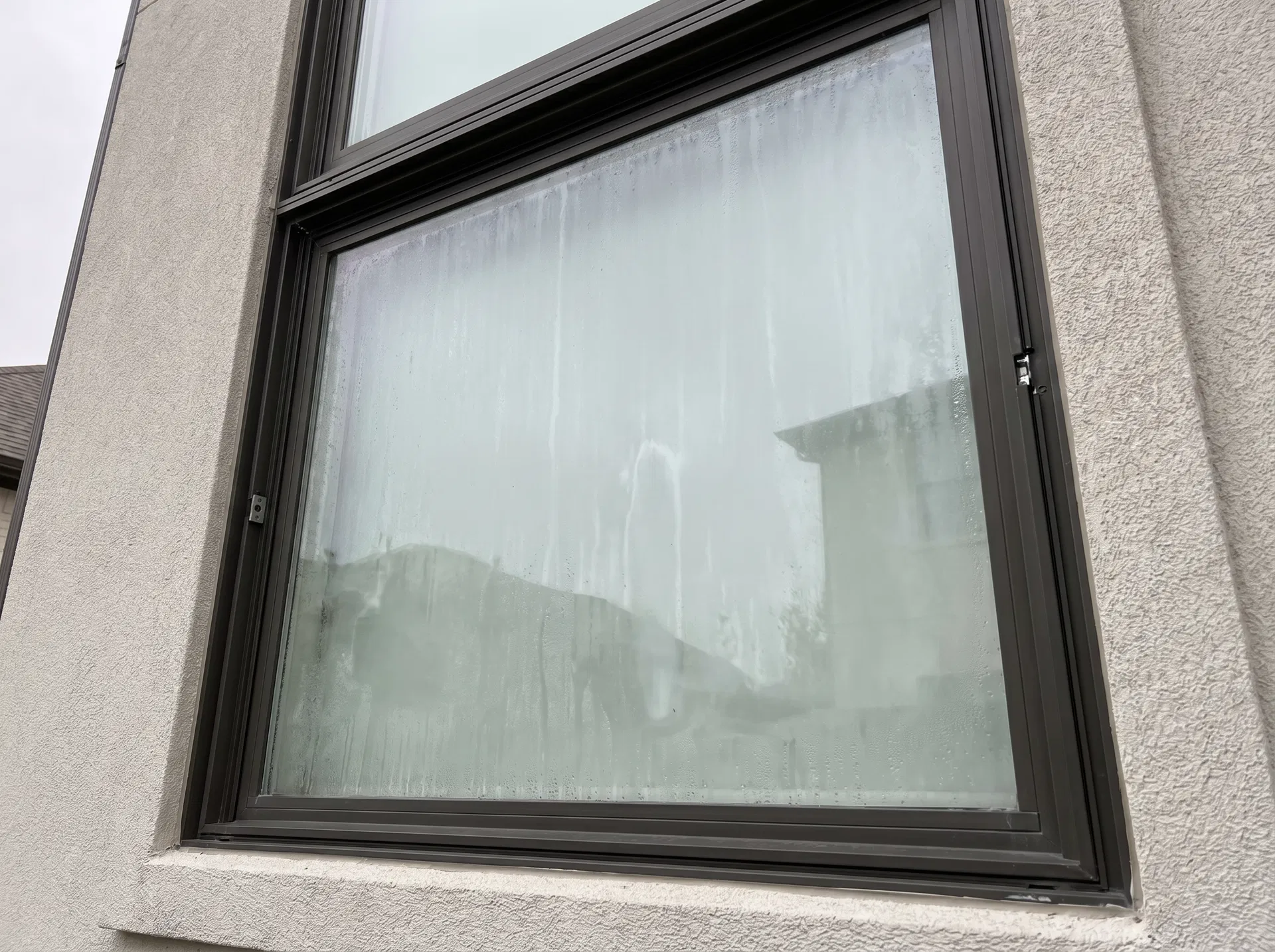
Before: A double-pane window with a failed seal, resulting in condensation and a foggy appearance.
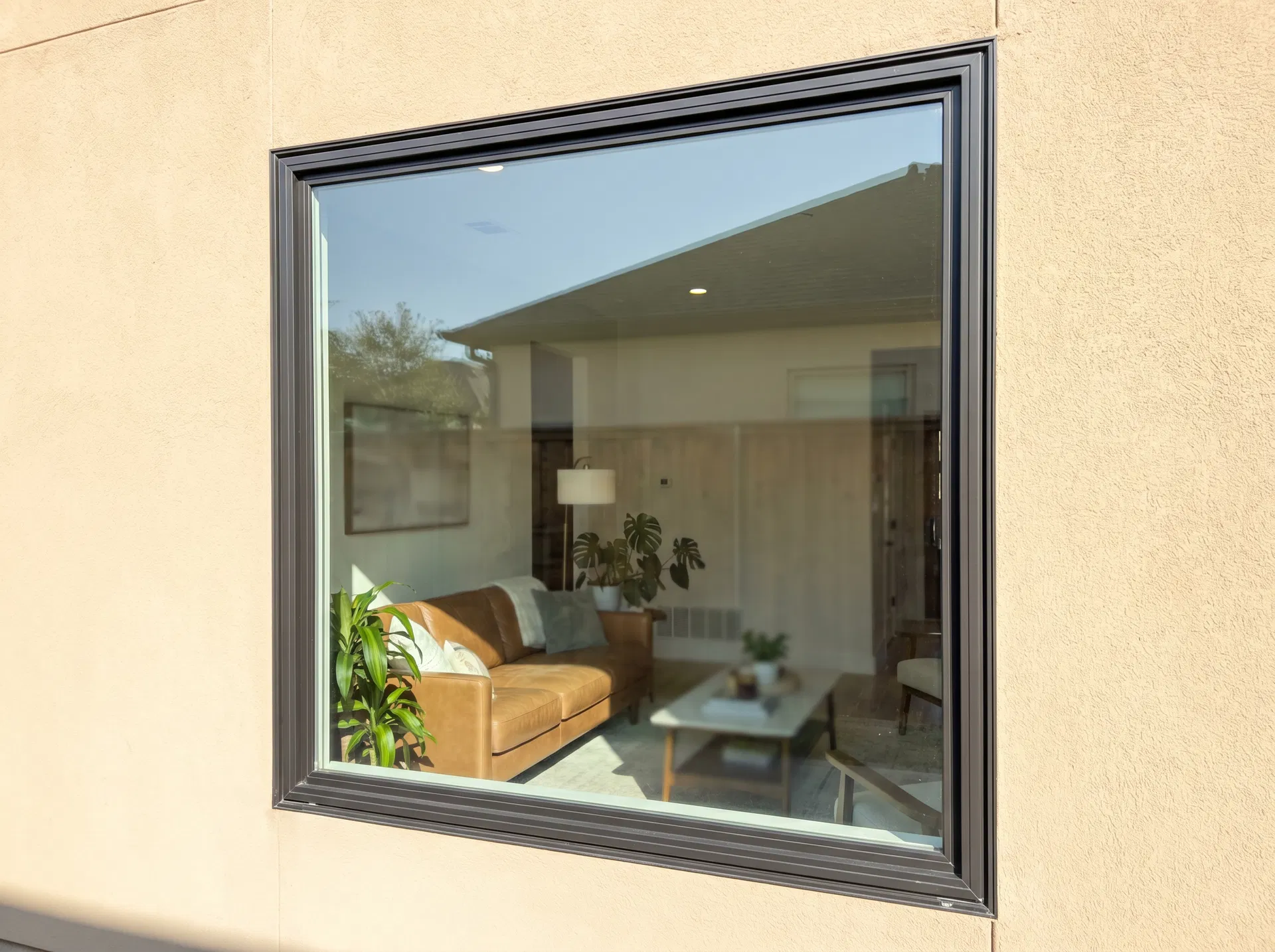
After: The same window restored to crystal clarity after professional glass replacement.
Triple-Pane Windows: Maximum Insulation
Triple-pane windows take the concept of the insulated glass unit one step further by adding a third sheet of glass and a second insulating gas-filled space. This configuration offers the highest level of thermal performance currently available on the residential market.
The R-value of a triple-pane window can range from 5 to 7 or even higher, making them incredibly energy-efficient. They are particularly popular in extremely cold climates, such as the northern United States and Canada, where keeping the freezing cold out is a top priority. They also offer the best soundproofing capabilities of the three options.
However, triple-pane windows come with significant drawbacks. First and foremost is the cost. Triple-pane windows are substantially more expensive than double-pane windows, often costing 25% to 30% more. Additionally, the extra pane of glass makes the window significantly heavier, which can put added stress on the window frame and hardware, potentially leading to operational issues over time.
Finding the Sweet Spot for Texas Homes
When deciding between single, double, and triple-pane windows, it is important to consider the specific climate of your region. In the Dallas-Fort Worth metroplex, we experience hot, humid summers and relatively mild winters, with occasional freezing temperatures.
For Irving homeowners considering window upgrades, as well as those throughout the DFW area, double-pane windows are almost always the most cost-effective and practical choice. The jump in energy efficiency from single-pane to double-pane is massive and will result in noticeable savings on your energy bills and a significant improvement in indoor comfort.
While triple-pane windows do offer better insulation than double-pane windows, the incremental improvement is relatively small compared to the substantial increase in cost. In a climate like ours, it would take many decades to recoup the extra cost of triple-pane windows through energy savings alone. Therefore, double-pane windows represent the "sweet spot" for Texas homes, offering the best balance of performance, durability, and value.
Practical Advice for Homeowners
If you are currently living with single-pane windows, upgrading to double-pane IGUs is one of the best investments you can make in your home. Not only will it improve your daily comfort and Energy performance and utility-bill impact depend on the existing opening, selected glass package, orientation, home conditions, and utility rates; no bill savings are guaranteed..
If you already have double-pane windows but are experiencing issues with condensation or fogginess between the panes, do not assume that you need to replace the entire window. In many cases, the glass unit itself can be replaced while leaving the existing frame intact. This approach is significantly more affordable and less disruptive than a full window replacement.
When evaluating your windows, pay attention to drafts, difficulty opening or closing the sashes, and visible moisture between the panes. These are all signs that your windows may be failing and could benefit from professional attention. Regular maintenance, such as keeping the tracks clean and inspecting the caulking around the exterior of the window, can also help prolong the life of your window seals.
Conclusion
Understanding the differences between single-pane, double-pane, and triple-pane windows empowers you to make the best decisions for your home. While single-pane windows are obsolete and triple-pane windows are often overkill for the Texas climate, double-pane windows provide the perfect combination of energy efficiency, comfort, and affordability.
If you are dealing with foggy double-pane windows or have questions about upgrading the glass in your home, the experts at Apex Windows TX are here to help. We specialize in targeted glass replacement that restores the beauty and efficiency of your windows without the high cost of full frame replacement.
Contact us today at (214) 263-3008 to schedule a consultation and learn more about how we can improve the clarity and performance of your home's windows.
Need Foggy Glass Replacement in Your Area?
We provide expert foggy glass replacement and window repair across the Dallas-Fort Worth metroplex. Click your city below for local pricing, neighborhoods served, and FAQs:
About the Author
Alvin Paulson
Co-Owner & Lead Technician, Apex Windows & Glass
Alvin Paulson co-founded Apex Windows & Glass and brings over 30 years of hands-on expertise in foggy glass replacement, insulated glass unit (IGU) repair, and energy-efficient window upgrades. Born and raised in North Texas, Alvin has personally assessed and repaired thousands of windows across the Dallas-Fort Worth metroplex — from historic McKinney homes to new-build subdivisions in Frisco and Prosper. He is a licensed glazier and holds certifications in Low-E glass installation and argon gas window systems. Alvin's philosophy is simple: replace only what's broken, save the homeowner money, and back every job with a 10-Year IGU manufacturer warranty + Apex 1-Year workmanship warranty.