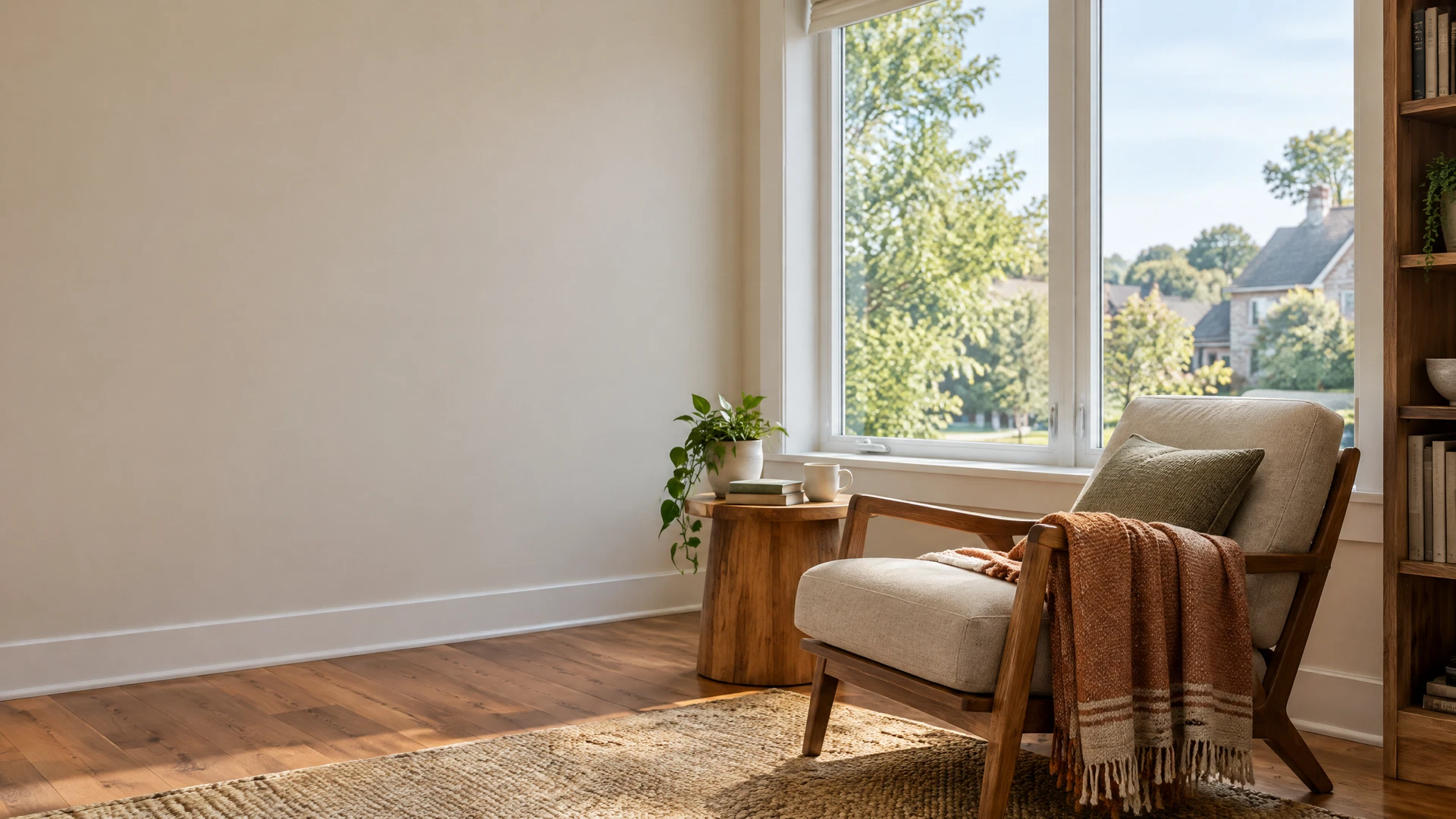
Richardson homeowners often notice a common problem in rooms with significant sun exposure: the gradual fading of hardwood floors, upholstery, and cherished artwork. While natural light is a sought-after feature in North Texas homes, the ultraviolet (UV) radiation that accompanies it can be destructive over time. When a window unit fails and begins to show signs of fogging or condensation between the panes, it presents a practical opportunity to address both the clarity of the view and the protection of the interior space. Selecting the right UV-control replacement glass requires an understanding of how different glass specifications interact with the environmental conditions found in Richardson.
The Challenge of UV Exposure in Richardson Homes
The sun in North Texas is intense, and Richardson residences are no exception to the high levels of solar radiation experienced throughout the year. Ultraviolet light is a portion of the solar spectrum that, while invisible, carries enough energy to break down chemical bonds in dyes and materials. This process, known as photodegradation, is what leads to the characteristic bleaching of fabrics and the yellowing of wood finishes.
In many Richardson neighborhoods, homes are designed with large windows to take advantage of the bright Texas sky. However, without appropriate glass specifications, these openings can become conduits for high levels of UV transmission. When considering a replacement for a failed insulated glass unit, it is important to look beyond just fixing the fogging issue. The goal is to choose a glass package that manages the solar energy entering the room while maintaining the aesthetic quality of the light.
How UV Radiation Affects Interior Materials
Understanding the mechanics of fading can help homeowners make more informed decisions about glass upgrades. Fading is not caused by a single factor but is the result of a combination of UV radiation, visible light, and solar heat. While UV light is responsible for approximately 40% of the fading process, visible light and heat also play significant roles. Ultraviolet light is categorized into UV-A, UV-B, and UV-C. Most UV-C is absorbed by the atmosphere, but UV-A and UV-B reach the surface and can penetrate standard glass. These high-energy waves interact with the molecular structure of pigments, causing them to lose their color over time. This is particularly noticeable in organic materials like cotton, silk, and certain types of wood.
Specifying Glass for UV Management
When you are ready to address a foggy window in a sun-exposed room, you will encounter various glass options designed to mitigate UV transmission. Modern insulated glass units (IGUs) utilize specialized coatings and gas fills to enhance performance. The primary tool for UV control is the Low-Emissivity (Low-E) coating, which is a microscopically thin layer of metallic oxide applied to the glass surface. These coatings reflect infrared and ultraviolet light while allowing visible light to pass through. In the context of a Richardson home, these coatings are typically applied to the second surface of the glass to intercept solar energy before it enters the home. Some high-performance coatings can block over 95% of UV radiation, significantly slowing the rate of fading compared to clear glass.
Comparing Glass Performance Options
To help visualize the differences between glass types, the following table outlines general performance characteristics for common replacement glass specifications.
| Glass Type | UV Blockage (Approx.) | Visible Light Transmittance | Solar Heat Gain Coefficient |
|---|---|---|---|
| Clear Double Pane | 40-50% | High (80%+) | High (0.70+) |
| Standard Low-E | 70-85% | Moderate (70-75%) | Moderate (0.35-0.45) |
| High-Performance Low-E | 90-95% | Moderate (60-70%) | Low (0.20-0.30) |
| Specialized UV-Control | 95%+ | Lower (50-60%) | Very Low (<0.20) |
Selecting the appropriate level of protection often depends on the specific needs of the room. For instance, a Richardson home office with south-facing windows might benefit from a higher level of UV control than a north-facing utility room. Combining these glass choices with other energy efficient upgrades can further enhance your home's comfort.
Assessing the Serviceability of Existing Frames
Before proceeding with a glass-only replacement, it is essential to evaluate the condition of the entire window system. A glass-only insulated glass unit replacement can be considered only when the existing frame, sash, hardware, glazing system, and opening are serviceable; a broader window assessment can be appropriate when they are not. In many Richardson homes, the frames may still be in excellent structural condition even if the glass seals have failed. During a professional assessment, the service team will check for signs of frame warping, rot, or significant wear in the operating hardware. For more information on local service options, you can visit our dedicated page for Richardson window glass replacement.
Summary of UV Control Benefits
Addressing foggy windows is a standard part of maintaining a home in North Texas. By choosing to upgrade to UV-control glass during the replacement process, you are making a proactive decision to improve the long-term comfort and preservation of your interior spaces. While no glass can completely prevent fading, the right specifications can significantly extend the life of your interior furnishings and improve the overall enjoyment of your home.
Can replacement glass completely stop my furniture from fading?
While high-performance UV-control glass can block a significant majority of ultraviolet radiation, it cannot completely stop the fading process. Fading is also influenced by visible light, heat, and humidity. Upgrading your glass is a highly effective way to slow down the rate of fading, but it is not a total prevention measure.
How do I know if my Richardson home needs UV-control glass?
If you notice that fabrics, rugs, or wood floors in specific rooms are losing their color, or if those rooms feel excessively hot when the sun is shining, you may benefit from UV-control glass. Rooms with south or west-facing exposures in Richardson are typically the most suitable candidates for these upgrades.
Will UV-control glass make my rooms look dark?
Modern UV-control coatings are designed to be as clear as possible. While some high-performance options may have a very subtle tint or slightly lower visible light transmittance, most homeowners find the difference to be negligible. The benefit of reduced glare and heat often outweighs any slight change in light levels.
Is it possible to replace the glass without replacing the entire window frame?
Yes, if your window frames are in good structural condition, you can often replace just the insulated glass unit (IGU). This is a common practice for addressing foggy or failed seals. A professional assessment will determine if your frames are suitable for a glass-only replacement or if a more comprehensive solution is needed.
For a detailed evaluation of your home's windows and to discuss the most suitable glass options for your specific needs, our team is available to help.
Need Foggy Glass Replacement in Your Area?
We provide expert foggy glass replacement and window repair across the Dallas-Fort Worth metroplex. Click your city below for local pricing, neighborhoods served, and FAQs:
About the Author
Alvin Paulson
Co-Owner & Lead Technician, Apex Windows & Glass
Alvin Paulson co-founded Apex Windows & Glass and brings over 30 years of hands-on expertise in foggy glass replacement, insulated glass unit (IGU) repair, and energy-efficient window upgrades. Born and raised in North Texas, Alvin has personally assessed and repaired thousands of windows across the Dallas-Fort Worth metroplex — from historic McKinney homes to new-build subdivisions in Frisco and Prosper. He is a licensed glazier and holds certifications in Low-E glass installation and argon gas window systems. Alvin's philosophy is simple: replace only what's broken, save the homeowner money, and back every job with a 10-year warranty.