
# Window Warranty and Foggy Glass — What's Actually Covered?
Discovering condensation trapped between the panes of your double-pane windows can be incredibly frustrating. Not only does it obstruct your view and diminish the curb appeal of your home, but it also indicates that your window is no longer insulating as effectively as it should. When this happens, your first thought might be to check your paperwork. After all, windows are a significant investment, and they usually come with a warranty. But navigating the fine print can be confusing. What exactly does a window warranty cover when it comes to foggy glass?
Understanding the nuances of manufacturer warranties, common exclusions, and the steps to take if your coverage has lapsed can save you time, money, and unnecessary stress. Let us break down everything you need to know about window warranties and seal failures.
Understanding the Basics of Window Warranties
Before diving into the specifics of foggy glass, it is essential to understand that not all window warranties are created equal. Generally, when you purchase new windows, you are dealing with two distinct types of warranties: the manufacturer warranty and the installation warranty.
The Manufacturer Warranty
The manufacturer warranty is provided by the company that built the window. This type of warranty typically covers defects in the materials and the workmanship of the product itself. For double-pane or multi-pane windows, the manufacturer warranty is where you will usually find coverage for the insulated glass unit (IGU). The IGU is the sealed component that contains the glass panes and the insulating gas between them. If the seal fails prematurely due to a manufacturing defect, this warranty is your primary safety net.
The Installation Warranty
The installation warranty, on the other hand, is provided by the contractor or company that installed the windows in your home. This warranty covers the labor and the installation process. If a window was installed incorrectly—perhaps it was not properly shimmed, or the flashing was poorly applied—the installation warranty should cover the necessary corrections. It is worth noting that installation warranties are typically much shorter than manufacturer warranties, often lasting only one to five years.
Does My Warranty Cover Foggy Glass?
Foggy glass is the direct result of a broken or compromised seal in a double-pane window. When the seal breaks, the insulating gas (like argon or krypton) escapes, and moisture-laden outside air enters the space between the panes. When the temperature fluctuates, this moisture condenses, creating the foggy, milky appearance that is impossible to wipe away from the inside or outside.
The good news is that most reputable window manufacturers include seal failure in their warranties. Because a broken seal significantly impacts the energy efficiency and visibility of the window, it is considered a major defect.
However, the length and extent of this coverage can vary wildly. Some manufacturers offer a 10-Year IGU manufacturer warranty + Apex 1-Year workmanship warranty on the glass seal, while others may offer 20 years or even a "lifetime" warranty. It is also crucial to understand whether your warranty is prorated or non-prorated. A non-prorated warranty will cover the full cost of the replacement glass for the duration of the warranty period. A prorated warranty, however, decreases in value over time. For example, the manufacturer might cover 100% of the cost for the first ten years, but only 50% of the cost in year eleven, and so on.
Furthermore, while the manufacturer may provide the replacement glass unit free of charge under warranty, they often do not cover the labor required to install it. You may still be responsible for paying a technician to remove the old, foggy glass and install the new unit.
Common Exclusions in Window Warranties
Even if your windows are within the stated warranty period, certain conditions can void your coverage. Manufacturers include specific exclusions in their contracts to protect themselves from liability for damage they did not cause. Here are some of the most common reasons a warranty claim for foggy glass might be denied:
Improper Installation
If the manufacturer determines that the window was not installed according to their strict guidelines, they will likely void the warranty. An improperly installed window can put undue stress on the frame and the glass, leading to premature seal failure. This is why it is so important to hire experienced, qualified installation teams for the initial installation.
House Settling or Foundation Issues
Homes naturally settle over time, and in areas with expansive clay soils, foundation movement is common. If your home's foundation shifts significantly, it can warp the window frames. This warping puts immense pressure on the insulated glass unit, eventually causing the seal to break. Because this damage is caused by the house and not a defect in the window itself, the manufacturer will not cover it.
Acts of Nature and Accidental Damage
Warranties cover manufacturing defects, not acts of nature or accidents. If a severe hailstorm damages the window frame and compromises the seal, or if a stray baseball hits the glass, your warranty will not apply. In these cases, you would need to look to your homeowners insurance for potential coverage.
Lack of Maintenance
Some warranties require the homeowner to perform regular maintenance, such as cleaning the tracks, inspecting the weatherstripping, and ensuring the weep holes are clear of debris. If a lack of maintenance leads to water pooling around the seal and causing it to fail, the manufacturer may deny the claim.
Transferability Issues
If you purchased a home with existing double-pane windows, the original warranty might not apply to you. Some warranties are strictly for the original purchaser, while others can be transferred to a subsequent owner one time, often requiring written notice and a transfer fee within a specific timeframe after the home sale. For Garland homeowners checking their window warranty, it is crucial to gather all documentation and verify transferability before attempting to make a claim.
How to Check If Your Foggy Windows Are Still Under Warranty
If you are dealing with foggy glass and want to explore your warranty options, the first step is to gather information.
Start by looking for a manufacturer label or etching on the window itself. This is often located in one of the corners of the glass, on the spacer between the panes, or on the frame when you open the sash. This label usually contains a serial number or a manufacturing date code.
Next, try to locate your original purchase contract, receipt, or warranty document. This paperwork will clearly outline the terms of your coverage, the duration of the warranty, and the process for filing a claim.
If you cannot find the paperwork but you know who installed the windows, contact the installation company. They should have a record of your project and can often facilitate the warranty claim with the manufacturer on your behalf.
What to Do When Your Warranty Has Expired
It is a common scenario: you discover foggy windows, do the research, and realize your warranty expired two years ago, or it was voided because you are the second owner of the home. When this happens, many homeowners mistakenly believe they have to replace the entire window, frame and all.
Fortunately, this is rarely the case. If the window frame is still structurally sound and in good condition, you do not need a full window replacement. Instead, you can opt for a targeted foggy glass repair.
This process involves carefully removing the failed insulated glass unit from the existing frame and replacing it with a brand-new, factory-sealed unit. This approach is significantly more cost-effective than replacing the entire window, and it restores both the clarity and the energy efficiency of your home. It is a practical, efficient solution that saves you from the disruption and expense of a major renovation.
The Repair Process: Restoring Clarity
To understand the impact of replacing a failed glass unit, it helps to see the transformation. Foggy glass can make a room feel gloomy and unkempt, but a professional glass replacement instantly breathes new life into the space.
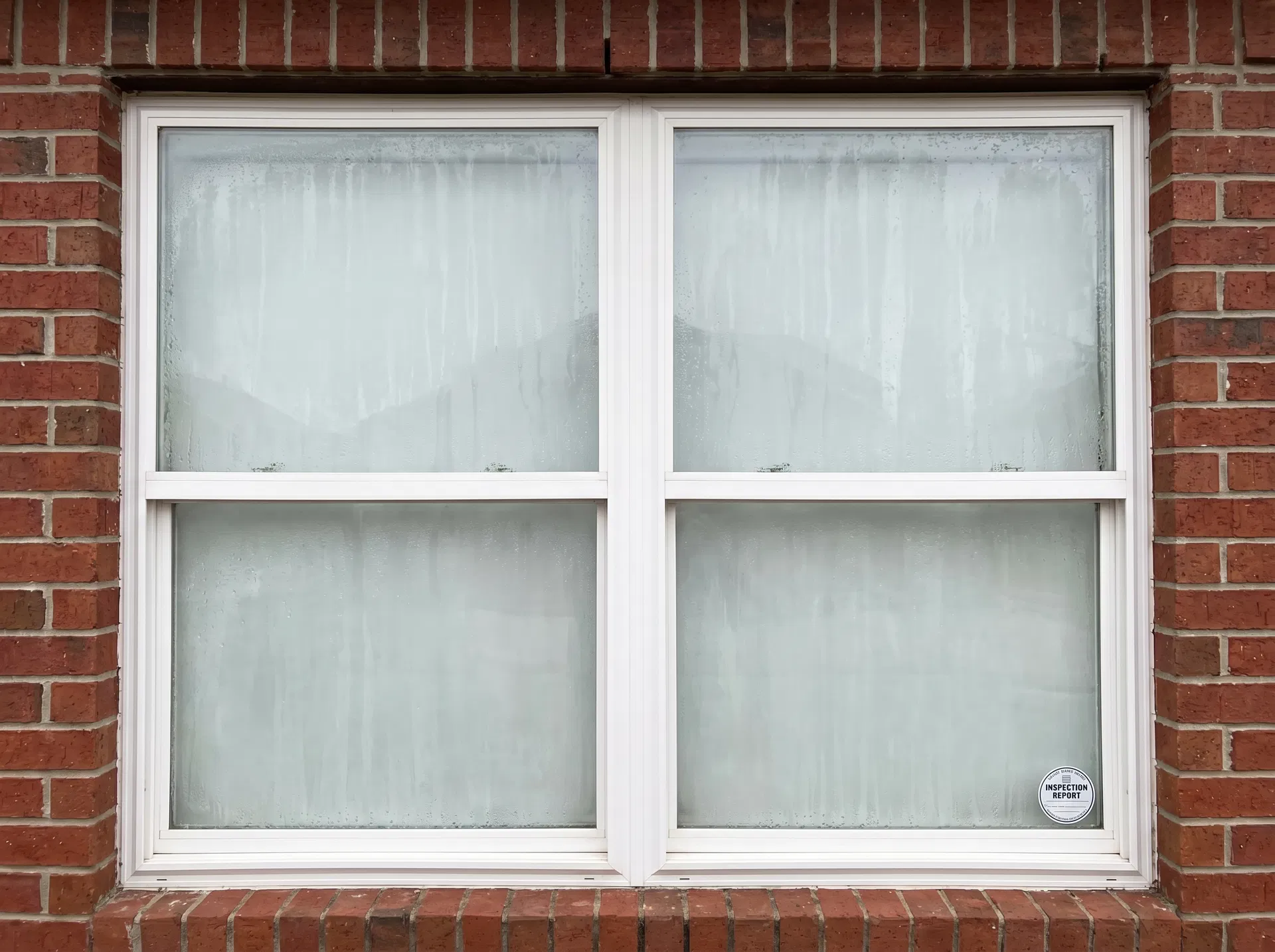
Before: A window suffering from severe seal failure, resulting in heavy condensation and a completely obscured view.
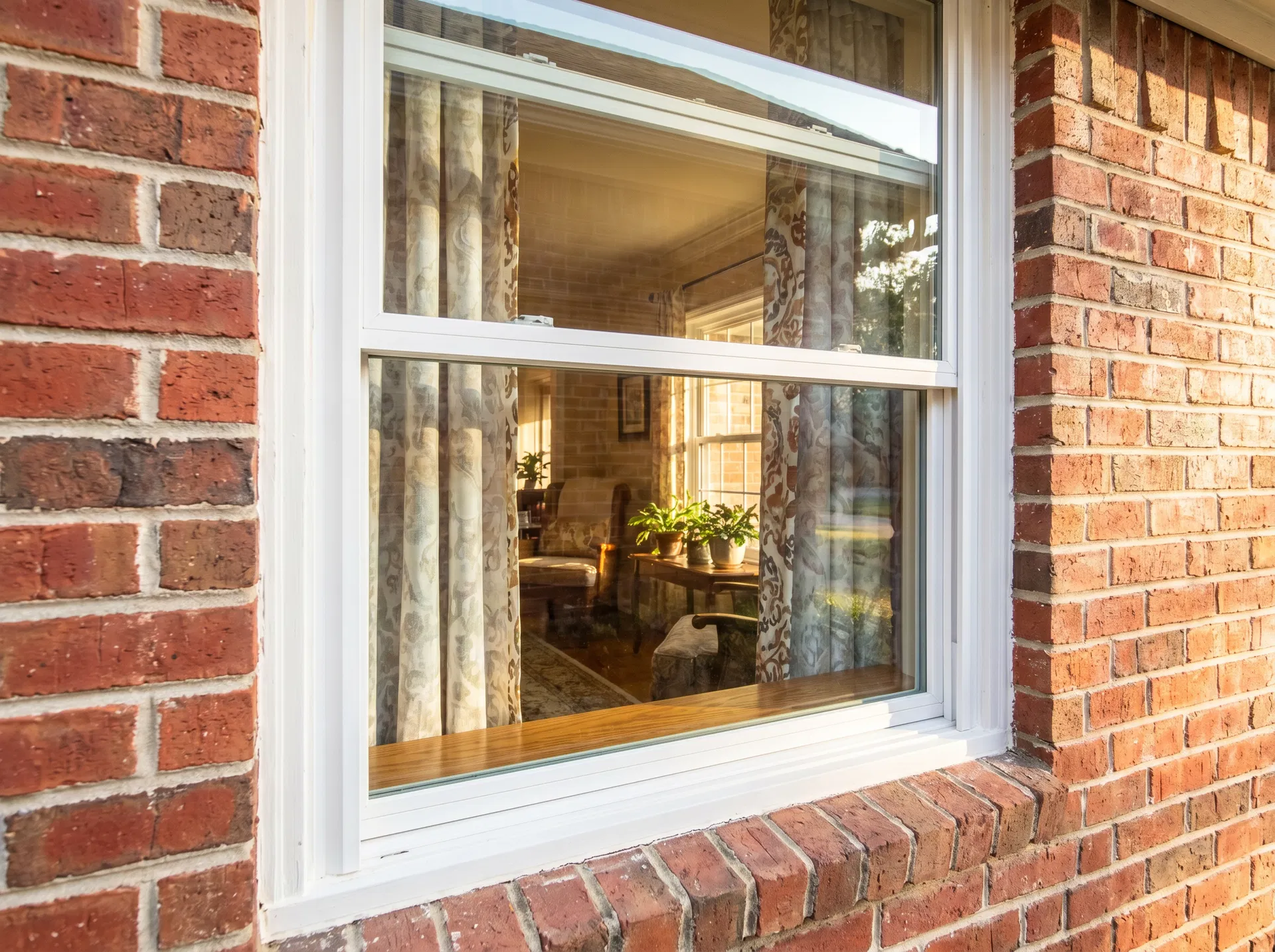
After: The same window frame with a newly installed, factory-sealed insulated glass unit, restoring perfect clarity and energy efficiency.
As you can see, replacing the glass unit completely resolves the issue without the need to tear out the surrounding frame or disturb the interior and exterior trim of your home.
Conclusion and Next Steps
Dealing with foggy windows can be a hassle, but understanding your window warranty is the first step toward a clear solution. Take the time to review your documentation, understand what is covered, and be aware of common exclusions like improper installation or foundation settling.
If your windows are still under warranty, reach out to the manufacturer or your installer to begin the claims process. However, if your warranty has expired, is non-transferable, or does not cover the cost of labor, do not panic. You have practical, cost-effective options available that do not involve replacing your entire window.
If you are tired of looking through cloudy, condensation-filled glass and want to restore the beauty and efficiency of your home, we are here to help. Contact Apex Windows TX today at (214) 263-3008 to discuss your foggy glass issues and find the best solution for your home.
Need Foggy Glass Replacement in Your Area?
We provide expert foggy glass replacement and window repair across the Dallas-Fort Worth metroplex. Click your city below for local pricing, neighborhoods served, and FAQs:
About the Author
Alvin Paulson
Co-Owner & Lead Technician, Apex Windows & Glass
Alvin Paulson co-founded Apex Windows & Glass. The company brings 30+ years of combined leadership experience to foggy glass replacement, insulated glass unit (IGU) repair, and energy-efficient window upgrades across Dallas-Fort Worth. Alvin's philosophy is simple: replace only what's broken, save the homeowner money, and explain the written product and workmanship coverage for the selected scope.