# Window Defogging Kits — Do They Actually Work?
If you have double-pane windows in your home, you might eventually encounter the frustrating problem of condensation building up between the glass panes. This milky, foggy appearance not only obstructs your view but also significantly diminishes the curb appeal of your property. When faced with this issue, many homeowners immediately start looking for a quick and cost-effective solution. A quick search online will likely lead you to DIY window defogging kits, which promise to clear up your windows for a fraction of the cost of replacement. But do these kits actually work, or are they just a temporary band-aid for a much larger problem?
In this comprehensive guide, we will take an honest look at DIY defogging kits and the popular "drill-and-fill" method. We will explore how these kits operate, why their results are often short-lived, the potential risks involved in attempting this repair yourself, and when investing in professional glass replacement is the smarter choice for your home.
What Are Window Defogging Kits?
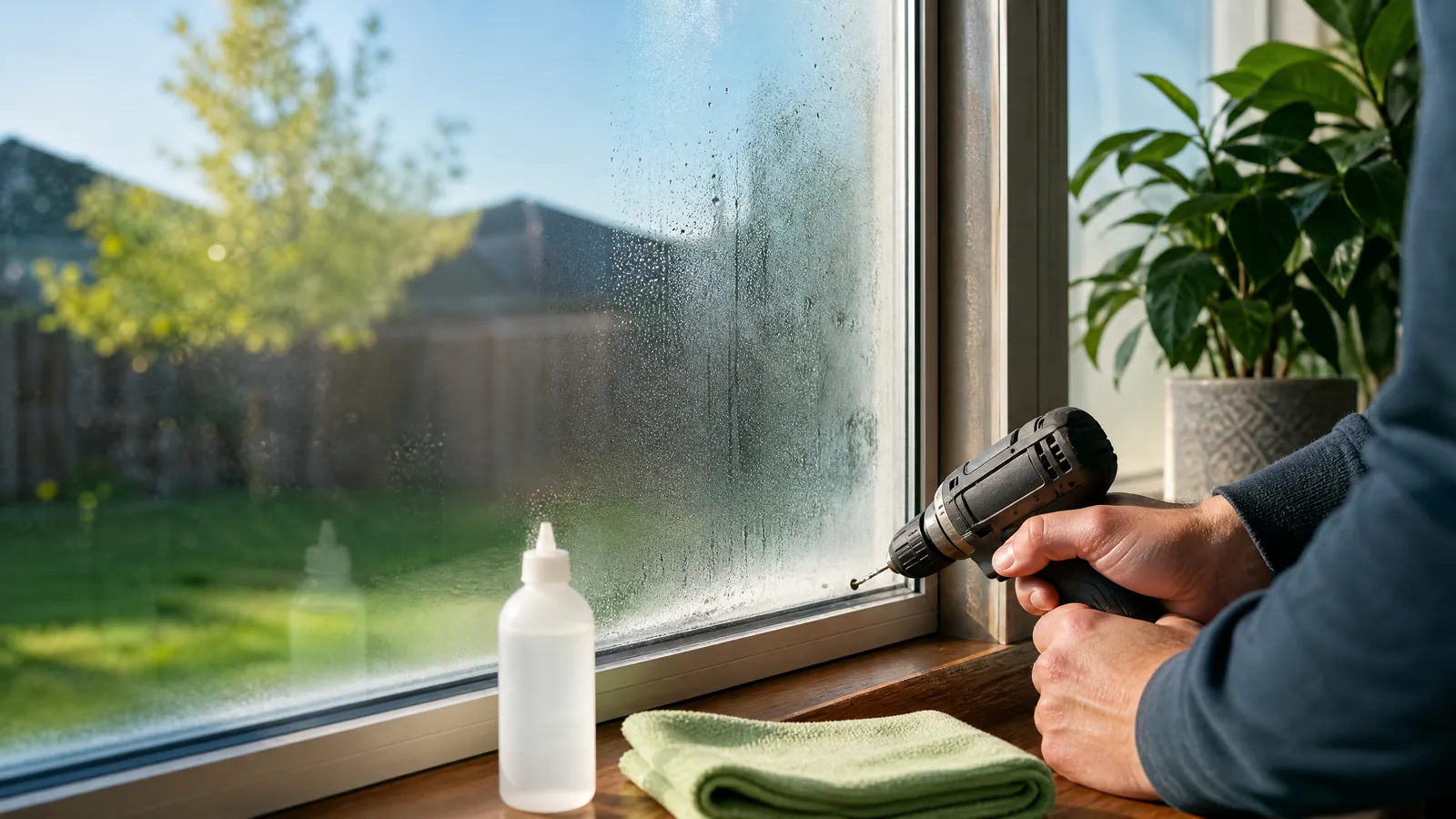
Window defogging kits are do-it-yourself packages designed to remove the trapped moisture from between the panes of an insulated glass unit (IGU). The most common technique these kits employ is known as the "drill-and-fill" method. Instead of replacing the glass or the entire window sash, this approach attempts to clean the inside of the window and allow ongoing ventilation to prevent future moisture buildup.
A typical defogging kit includes specialized drill bits, a cleaning solution, a drying agent, and tiny micro-vents or plugs. The premise is relatively straightforward: by creating a pathway for the trapped moisture to escape and washing away the mineral deposits left behind by the condensation, you can restore the clarity of the glass. While the concept sounds appealing, especially given the low upfront cost, the reality of the process and its long-term effectiveness require a closer examination.
How Do DIY Defogging Kits Work?
The process of using a window defogging kit involves several precise steps. First, you must drill tiny holes into the glass—usually one at the top corner and another at the bottom corner of the affected window pane. This step alone requires a steady hand and a specific type of diamond or carbide drill bit to avoid shattering the glass.
Once the holes are successfully drilled, a cleaning solution is injected into the space between the panes. This solution is designed to wash away the hazy residue and mineral deposits that have accumulated on the inside surfaces of the glass. After the cleaning solution has done its job, a drying agent or a specialized vacuum tool is used to extract the liquid and any remaining moisture.
Finally, tiny micro-vents are inserted into the drilled holes. These vents are intended to allow the window to "breathe," meaning that any future moisture that enters the space between the panes can theoretically evaporate and escape before it condenses and fogs up the glass again.
While this process can temporarily improve the appearance of the window, it is crucial to understand the underlying mechanics of why the window fogged up in the first place.
The Limitations: Why Results Are Often Temporary
To understand why window defogging kits are not a permanent solution, you have to understand how double-pane windows are constructed. Modern insulated glass units consist of two panes of glass separated by a spacer bar and sealed tightly around the edges. The space between the panes is often filled with an insulating gas, such as argon or krypton, which significantly improves the window's energy efficiency.
When a window becomes foggy, it means that the perimeter seal has failed. This failure allows the insulating gas to escape and outside air—carrying moisture—to enter.
The fundamental flaw of DIY defogging kits is that they only treat the symptom (the trapped moisture) and completely ignore the root cause (the broken seal). Drilling holes and installing vents does not repair the failed seal. In fact, it permanently alters the sealed environment of the window. Because the seal remains broken, moisture will inevitably continue to enter the space between the panes. While the micro-vents may help some of that moisture escape, they are rarely sufficient to handle heavy condensation, especially during periods of high humidity or extreme temperature fluctuations.
Furthermore, once the seal is broken and the insulating gas has escaped, the energy efficiency of the window is permanently compromised. A defogging kit cannot replace the lost argon or krypton gas, meaning your window will never regain its original insulating properties, leading to higher heating and cooling costs over time.
Potential Risks of DIY Window Defogging
Attempting to defog your windows yourself carries several significant risks that homeowners should carefully consider before purchasing a kit.
First and foremost is the risk of damaging the glass. Drilling into glass is a delicate operation. If you apply too much pressure, use the wrong type of drill bit, or drill at the wrong angle, you can easily crack or shatter the pane. If the glass is tempered—which is common in doors, large windows, and bathrooms—it will shatter into thousands of tiny pieces the moment the structural integrity is compromised by a drill bit.
Secondly, using a DIY defogging kit will almost certainly void any remaining manufacturer warranty on your windows. Window manufacturers strictly prohibit unauthorized modifications to their products, and drilling holes into the glass is a clear violation of those terms.
Finally, there is the risk of wasting your time and money. While the kits themselves may seem inexpensive, the process is labor-intensive and the results are often disappointing. Many homeowners find that the fog returns within a few months, leaving them exactly where they started, minus the cost of the kit and the hours spent trying to fix the problem.
When Is Professional IGU Replacement the Better Investment?
Given the limitations and risks associated with DIY defogging kits, professional intervention is almost always the more reliable and cost-effective solution in the long run. Instead of trying to patch a broken seal, the industry standard for fixing foggy windows is replacing the insulated glass unit entirely.
Professional foggy glass repair involves removing the failed double-pane glass unit from your existing window frame and installing a brand-new, factory-sealed IGU. This process completely resolves the issue by providing a new seal and restoring the insulating gas between the panes.
For Carrollton homeowners considering DIY defogging, it is highly recommended to consult with a professional glass replacement service first. Replacing just the glass—rather than the entire window frame—is surprisingly affordable and provides a permanent solution that restores both the clarity and the energy efficiency of your windows.
To illustrate the difference a professional replacement can make, take a look at this transformation:
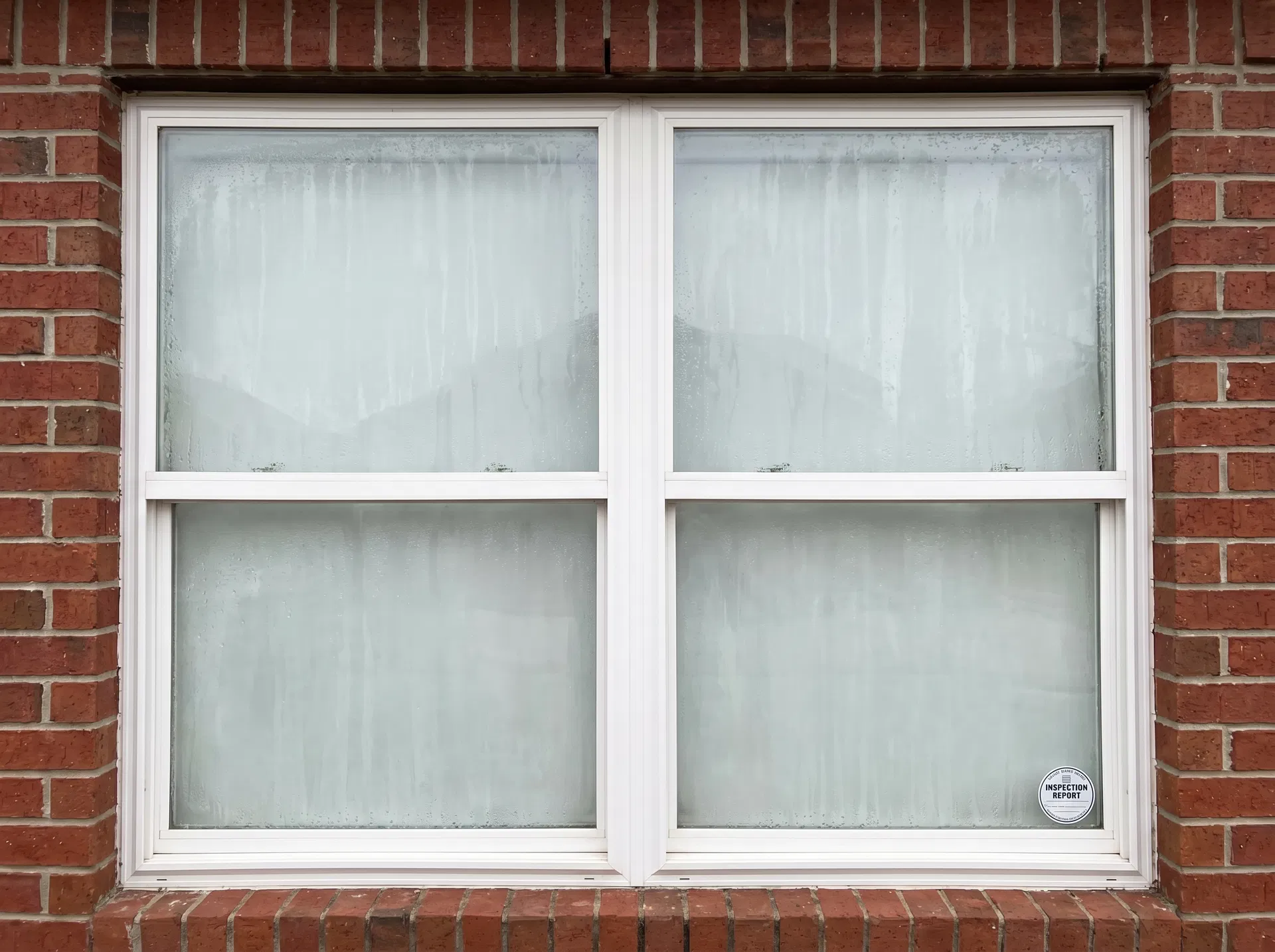
Before: A window suffering from a failed seal and severe condensation buildup.
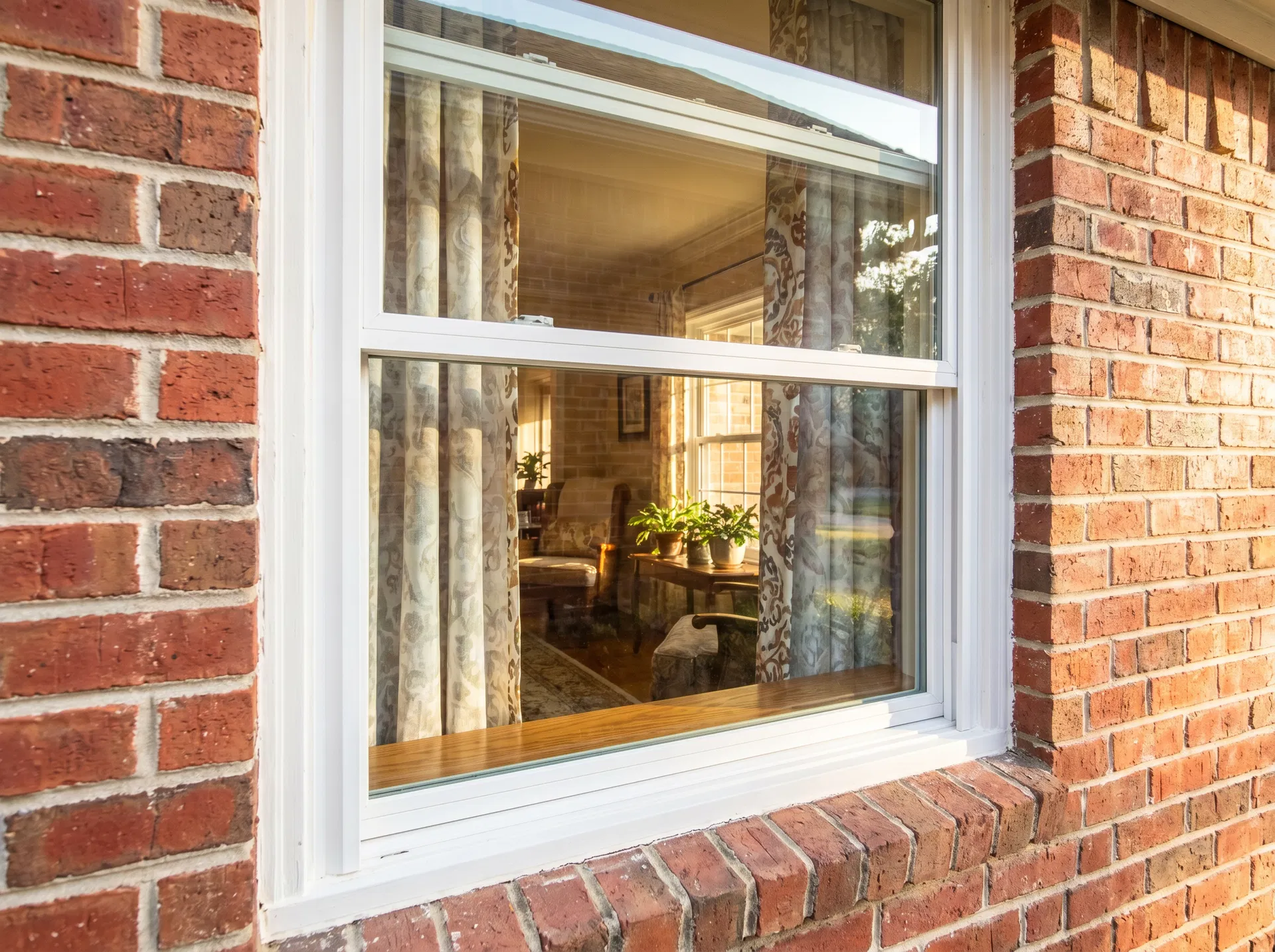
After: The same window frame with a newly installed, factory-sealed insulated glass unit.
As you can see, professional replacement restores the window to its original, crystal-clear condition without the need for unsightly vents or the risk of recurring moisture problems.
Conclusion
While window defogging kits and the drill-and-fill method may offer a tempting, low-cost alternative to professional repair, they are ultimately a temporary fix for a permanent problem. By treating only the condensation and ignoring the failed seal, these kits fail to restore the energy efficiency of your windows and often lead to recurring fogginess. Furthermore, the risks of shattering the glass and voiding your warranty make DIY defogging a gamble that rarely pays off.
If you are tired of looking through cloudy, moisture-filled windows, investing in professional insulated glass unit replacement is the smartest choice. It is a long-lasting solution that restores the beauty, clarity, and thermal performance of your home.
Ready to fix your foggy windows the right way? Contact Apex Windows TX today at (214) 263-3008 for a professional consultation and let us help you see clearly again.
Need Foggy Glass Replacement in Your Area?
We provide expert foggy glass replacement and window repair across the Dallas-Fort Worth metroplex. Click your city below for local pricing, neighborhoods served, and FAQs:
About the Author
Alvin Paulson
Co-Owner & Lead Technician, Apex Windows & Glass
Alvin Paulson co-founded Apex Windows & Glass and brings over 30 years of hands-on expertise in foggy glass replacement, insulated glass unit (IGU) repair, and energy-efficient window upgrades. Born and raised in North Texas, Alvin has personally assessed and repaired thousands of windows across the Dallas-Fort Worth metroplex — from historic McKinney homes to new-build subdivisions in Frisco and Prosper. He is a licensed glazier and holds certifications in Low-E glass installation and argon gas window systems. Alvin's philosophy is simple: replace only what's broken, save the homeowner money, and back every job with a 10-Year IGU manufacturer warranty + Apex 1-Year workmanship warranty.