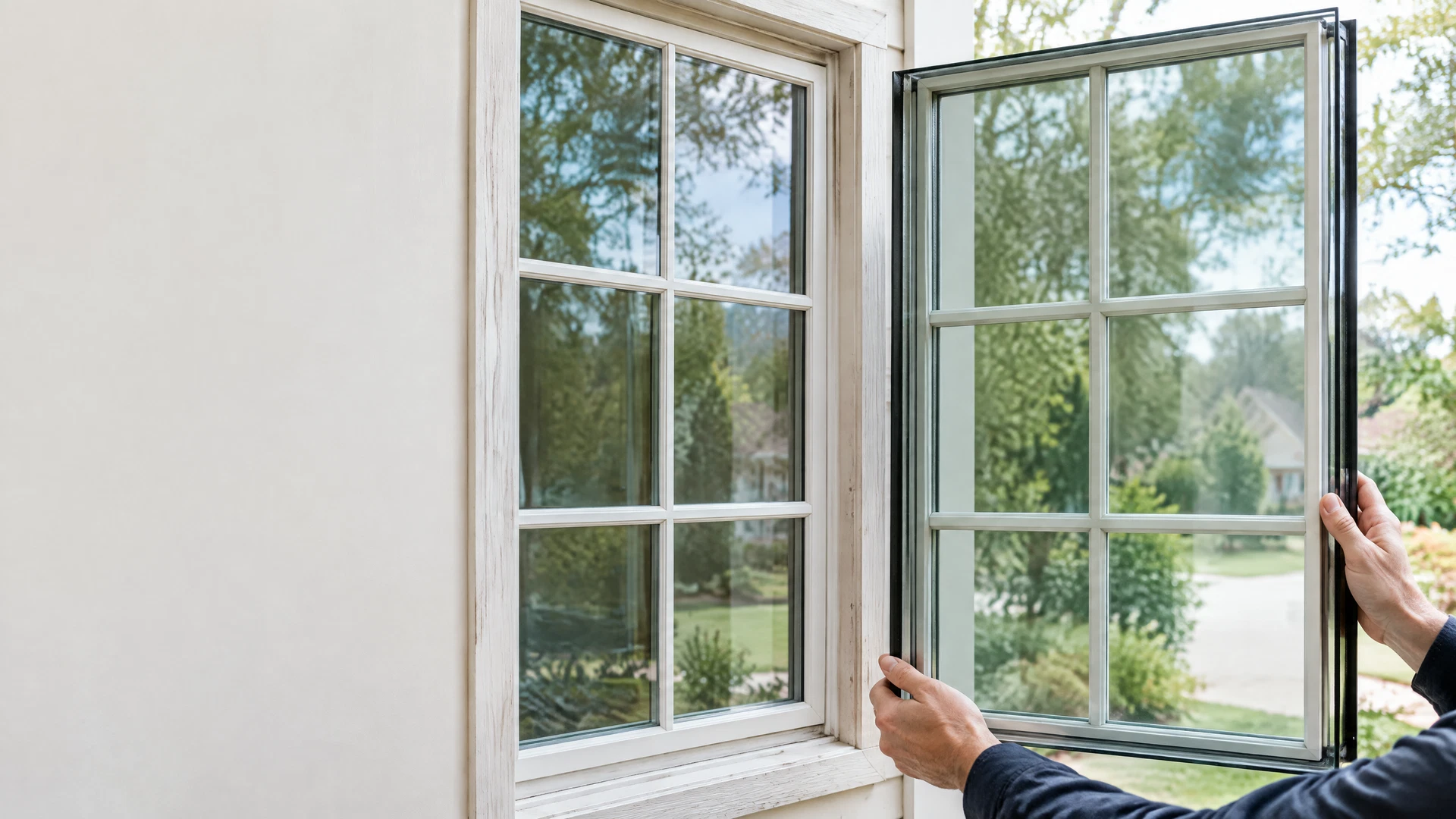
When a single window pane in a Dallas home begins to show signs of seal failure, the primary concern for many homeowners is how a replacement will affect the overall look of the house. Maintaining a uniform appearance across the facade is essential for curb appeal and architectural integrity. Whether your home features traditional colonial grids or a specific modern tint, achieving a seamless match during an Insulated Glass Unit (IGU) replacement requires attention to several technical details.
The Challenge of Matching Glass in Existing Dallas Homes
Dallas neighborhoods feature a wide variety of architectural styles, from mid-century modern to traditional brick estates. In many of these homes, the windows are a defining characteristic, often featuring specific decorative elements like internal grids or specialized glass tints. When one unit fails and develops the characteristic haze of moisture between the panes, simply ordering a standard piece of glass is rarely enough to ensure the new unit blends in with the remaining windows.
Homeowners seeking window glass services in Dallas often discover that older glass products have been updated. Understanding these variables is key to planning a replacement that preserves your property's aesthetic value.
Understanding the Components of a Visual Match
Every component of the insulated unit, from glass thickness to spacer bar material, contributes to the final appearance.
Glass Color and Tint Variations
Standard clear glass has a slight green tint, but most Dallas homes use Low-E coatings for solar control. These coatings vary by brand and can appear blue, green, or purple. If your windows have a bronze or gray tint, the new IGU must match this pigment to prevent a mismatched exterior appearance.
Spacer Bar Aesthetics
The spacer bar separates the panes and is highly visible. Available in aluminum, black, white, or bronze, its color and thickness must match the original. A mismatch, such as a bright aluminum spacer in a dark frame, will make the replacement unit stand out.
The Role of Window Grids and Muntins
Matching decorative grids, or muntins, is often the most complex part of a glass replacement, as they must align perfectly with adjacent windows.
Internal vs. External Grids
Grids are either sealed inside the IGU (GBG) or attached to the glass surfaces (SDL). GBG units require precise manufacturing, while SDL windows involve transferring external grids to the new glass. Identifying your system is vital for a proper match.
Grid Profiles and Patterns
Grids come in flat, contoured, or colonial profiles, usually 5/8 to 1 inch wide. The pattern,whether colonial, prairie, or diamond,must be exact. Even small alignment deviations are visible from the street and disrupt your home's visual flow.
Assessing the Condition of Your Window System
Ensure your window structure can support a new IGU. Glass-only replacement is only for serviceable frames, sashes, and hardware. If these components are failing, a broader assessment is needed. For sound frames, matching window glass tint and grids resolves fogging while keeping the project scope manageable.
Checklist for a Successful Aesthetic Match
To help you prepare for a consultation, consider the following technical aspects that will be evaluated during the measurement process. This table outlines the key features that must be documented to ensure the new glass unit is a visual match for your existing windows.
| Component | What to Identify | Why It Matters |
|---|---|---|
| Glass Type | Clear, Low-E, Bronze, or Gray | Determines the color and reflectivity of the pane. |
| Grid Type | Internal (GBG) or External (SDL) | Affects the manufacturing and installation process. |
| Grid Profile | Flat, Contoured, or Custom | Ensures the decorative lines match adjacent windows. |
| Spacer Color | Silver, Black, White, or Bronze | Prevents the internal seal from being visually distracting. |
| Glass Thickness | Single strength vs. Double strength | Affects the overall IGU width and fit in the sash. |
Professional Measurement for Aesthetic Success
Achieving a perfect match is a precise science. Technicians use specialized tools to identify Low-E coatings and measure glass thickness for custom fabrication. In Dallas, where sun exposure is intense, a professional assessment ensures the new glass provides the closest possible match to your home's existing windows. By focusing on these details, you can restore clarity without sacrificing a uniform look.
How do I know if my glass has a tint or a coating?
You can often detect a coating by holding a small flame near the glass and looking at the reflections. A standard clear glass unit will show two identical flame reflections, while a Low-E coated unit will typically show one reflection with a different color, such as red or green. Professional glass technicians use electronic meters to precisely identify the coating type and its placement within the unit.
Can you match grids in a window that has a custom shape?
Yes, custom-shaped windows like arches or circles can have matching internal or external grids. These require a template to be made of the existing window to ensure the new grids follow the exact curvature and angles of the original design. This process is more involved than measuring a standard rectangular window but is essential for maintaining the architectural character of custom Dallas homes.
Will the new glass look exactly like the old glass?
While the goal is a perfect match, it is important to understand that glass manufacturing technology evolves. A new Low-E unit may have slightly different performance characteristics than one made years ago. However, by matching the tint color, reflectivity levels, and spacer aesthetics, the difference is usually indistinguishable to the eye once the unit is installed in the frame.
Is it possible to change the grid pattern during glass replacement?
While it is technically possible to order a new IGU with a different grid pattern, it is generally not recommended unless you are replacing all the glass in a specific room. Having one window with a different grid pattern than its neighbors will create a significant visual mismatch that can negatively impact your home's curb appeal and potentially violate HOA guidelines.
Schedule your free quote. (214) 263-3008
Need Foggy Glass Replacement in Your Area?
We provide expert foggy glass replacement and window repair across the Dallas-Fort Worth metroplex. Click your city below for local pricing, neighborhoods served, and FAQs:
About the Author
Alvin Paulson
Co-Owner & Lead Technician, Apex Windows & Glass
Alvin Paulson co-founded Apex Windows & Glass and brings over 30 years of hands-on expertise in foggy glass replacement, insulated glass unit (IGU) repair, and energy-efficient window upgrades. Born and raised in North Texas, Alvin has personally assessed and repaired thousands of windows across the Dallas-Fort Worth metroplex — from historic McKinney homes to new-build subdivisions in Frisco and Prosper. He is a licensed glazier and holds certifications in Low-E glass installation and argon gas window systems. Alvin's philosophy is simple: replace only what's broken, save the homeowner money, and back every job with a 10-year warranty.