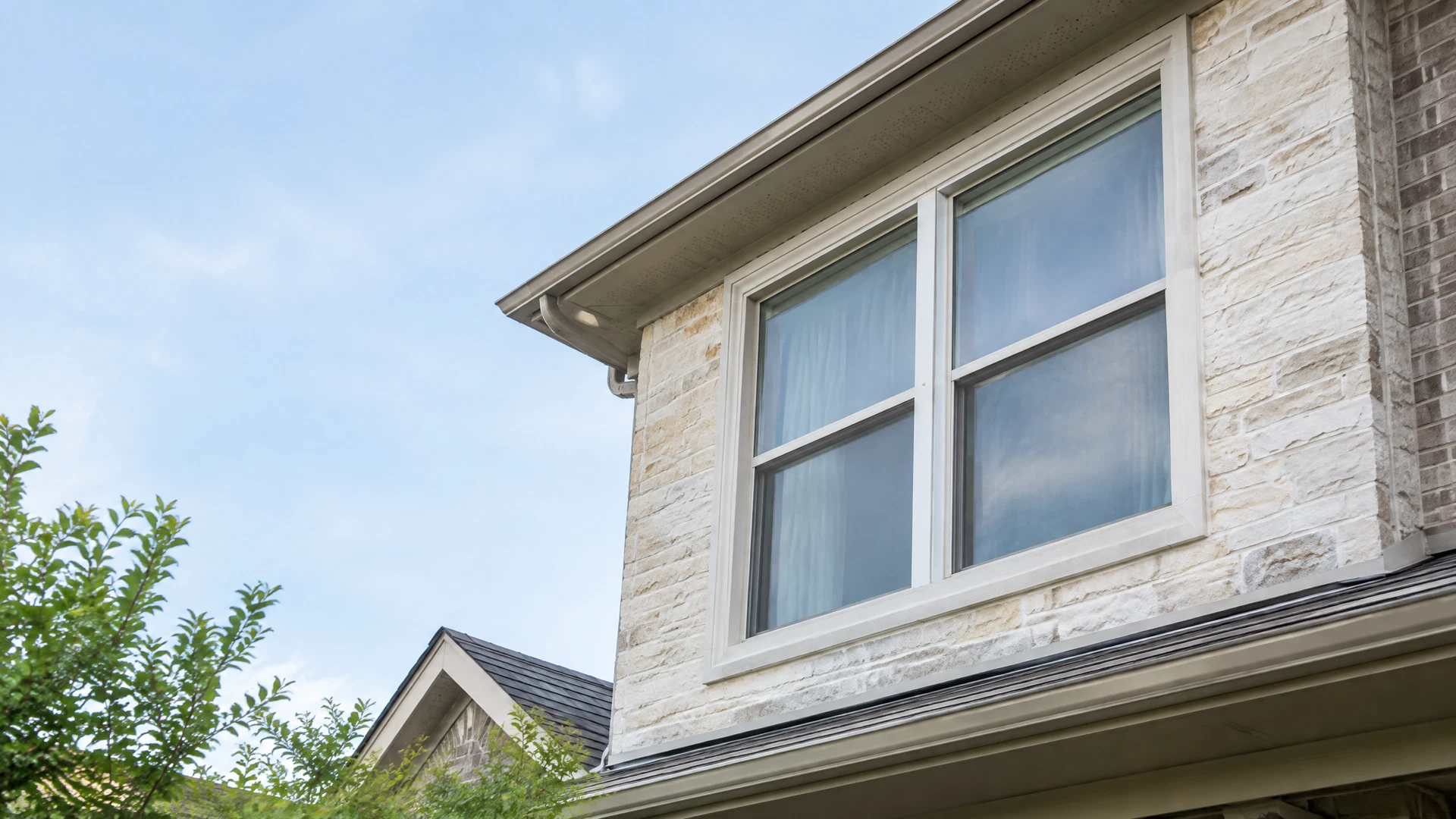
Dealing with foggy glass in a second-story window presents unique challenges for Dallas homeowners. Unlike ground-floor windows, upper-level units require specific considerations for measurement, safety, and room preparation. When moisture collects between the panes of an insulated glass unit (IGU), it indicates that the perimeter seal has failed. While this haze is a cosmetic frustration, planning the replacement involves more than just ordering glass. It requires a structured approach to ensure the service team can work safely and efficiently while protecting your home.
When you notice that a second-story window has become cloudy, the first step is to assess the overall condition. Glass-only replacement is a viable solution, but it can be considered only when the existing frame, sash, hardware, glazing system, and opening are serviceable. If the frame itself shows signs of rot or structural damage, a broader window assessment might be necessary to ensure a lasting repair.
Documenting Your Second-Story Window Condition
Before contacting a professional for residential window services in Dallas, you should gather information about the affected window. Since the unit is on the second story, safety is the primary concern. You do not need to climb a ladder for initial details. Instead, use a smartphone with a zoom lens to take clear photos of the foggy glass from the ground. Capture the entire window frame as well as close-up shots of the condensation. Look for any identifying marks or labels in the corners of the glass. Many manufacturers include a small etched code that provides information about the glass type and original specifications. Having these details ready helps the service team provide an accurate assessment.
Understanding Glass Unit Specifications
The success of a second-story glass replacement depends on the accuracy of the initial specifications. Because these windows are difficult to access, getting the right unit ordered the first time is essential. A professional technician will perform the final measurements, but you can help by identifying the type of window you have. Common types in Dallas include single-hung, double-hung, and fixed picture windows. Consider specifications like glass thickness, spacer type, gas fill, and grid patterns.
Preparing the Interior Work Area
Replacing a second-story glass unit often requires the service team to work from the inside of your home. Preparing the room ahead of time can speed up the process and reduce the risk of accidental damage to your belongings.
Managing Interior Clearances
Start by clearing a path to the window. Move desks, chairs, and nightstands at least three feet away from the work area. If the window is behind a bed, you may need to move the headboard to allow for ladder placement or standing room.
Protecting Your Dallas Home Flooring
You can assist by clearing the hallways and stairs of any tripping hazards. If you have hardwood floors or delicate carpeting, consider laying down protective runners or drop cloths in the immediate vicinity of the window.
Ensuring Safe Exterior Access
Even if the primary work is done from the interior, the service team may still need to access the exterior for sealing or safety spotting. Dallas properties often have varied landscaping that can complicate ladder placement.
Evaluating Ground Level Obstacles
Look at the area directly beneath the second-story window for large bushes or delicate landscaping. Identifying these challenges early allows the service team to bring the appropriate leveling equipment.
Safety Considerations Near Power Lines
If you notice power lines near the window, inform the company during the planning phase. They will need to ensure that their equipment can be used safely without risking contact with the lines.
Evaluating the Existing Window Frame
A foggy window is a symptom of a failed seal, but it does not always mean the entire window is bad. The frame must be in good enough condition to hold a new, heavy glass unit. During your planning, inspect the frame for any visible gaps, peeling paint, or soft spots. Reviewing the window repair timeline can provide clarity on what happens during the actual service visit.
Project Planning Checklist
Use this checklist to ensure all aspects of the second-story glass replacement are covered before the service team arrives.
| Category | Task |
|---|---|
| Documentation | Take ground-level photos of the foggy glass and frame |
| Documentation | Locate manufacturer etchings or labels in glass corners |
| Interior Prep | Move furniture 3 feet away from the work area |
| Interior Prep | Clear stairs and hallways of all tripping hazards |
| Exterior Prep | Identify ladder placement spots in the yard |
| Exterior Prep | Check for nearby power lines or obstructions |
| Verification | Confirm frame and sash are in good condition |
The Installation and Cleanup Process
Once the planning is complete and the new glass unit has been manufactured, the installation day can be relatively quick. The team will arrive with the custom-sized IGU and the necessary tools for the specific window type. After the new glass is installed, the team will clean the new unit and remove the old failed glass unit from your property.
Schedule your free quote. For immediate assistance with your residential glass needs, you can also reach our team at (214) 263-3008 to discuss your project details.
Frequently Asked Questions
Can second-story foggy glass be replaced from the inside of the home?
Many modern systems allow for interior replacement, which simplifies the process for second-story windows. This depends on your specific window sash and glazing beads. A professional assessment can determine whether interior access is possible or if exterior ladders will be necessary.
Do I need to be home while the second-story glass is being replaced?
Yes, it is necessary for an adult to be present. Technicians need interior access to remove the old unit and install the new one safely. Being available also allows you to discuss any concerns regarding the window frame condition with the team.
How long does it take to replace a single second-story glass unit?
While the actual installation often takes less than an hour, the total time spent at your home can vary based on access complexity. Factors such as moving furniture and setting up safety equipment are part of the process. Review a typical service timeline for details.
Should I replace all second-story windows if only one is foggy?
Not necessarily. If your frames and hardware are in good condition, a glass-only replacement for the failed unit is a practical choice. However, if multiple units show signs of seal failure, a broader assessment of your home's windows may be appropriate.
Need Foggy Glass Replacement in Your Area?
We provide expert foggy glass replacement and window repair across the Dallas-Fort Worth metroplex. Click your city below for local pricing, neighborhoods served, and FAQs:
About the Author
Alvin Paulson
Co-Owner & Lead Technician, Apex Windows & Glass
Alvin Paulson co-founded Apex Windows & Glass and brings over 30 years of hands-on expertise in foggy glass replacement, insulated glass unit (IGU) repair, and energy-efficient window upgrades. Born and raised in North Texas, Alvin has personally assessed and repaired thousands of windows across the Dallas-Fort Worth metroplex — from historic McKinney homes to new-build subdivisions in Frisco and Prosper. He is a licensed glazier and holds certifications in Low-E glass installation and argon gas window systems. Alvin's philosophy is simple: replace only what's broken, save the homeowner money, and back every job with a 10-Year IGU manufacturer warranty + Apex 1-Year workmanship warranty.