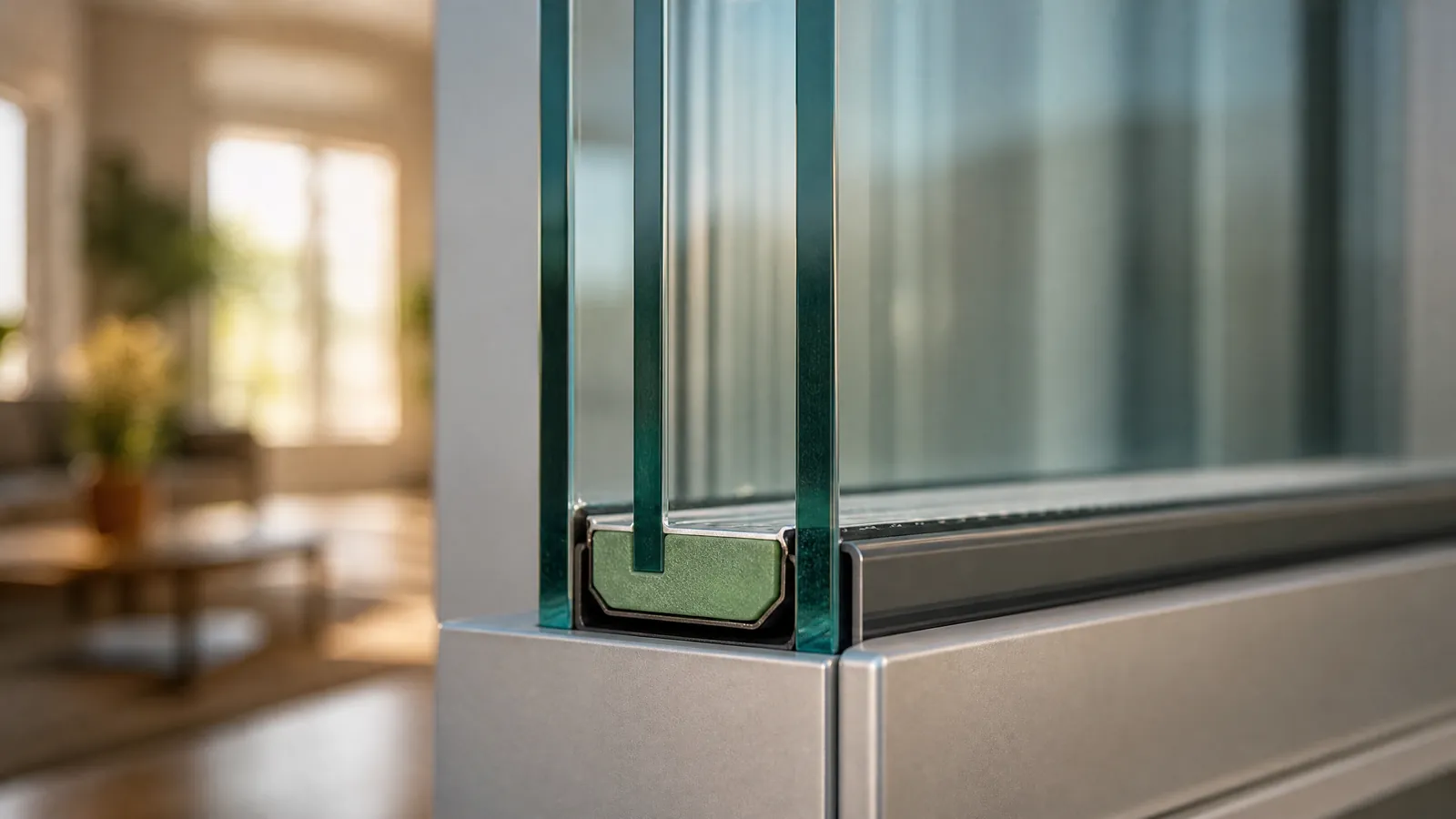
If you are replacing windows in the Dallas–Fort Worth area, you might be overwhelmed by energy efficiency jargon. One critical feature you should not overlook is the warm-edge spacer. In the blistering Texas heat, the type of spacer used in your double-pane windows makes a significant difference in both your comfort and cooling costs. Traditional aluminum spacers often fail to provide the insulation needed to keep your home cool during intense summers, leading to higher energy bills and condensation.
Warm-edge spacers are designed to block heat transfer and prevent condensation on your glass. By understanding how this hidden technology works, you can make an informed decision when upgrading your windows. Whether you are dealing with foggy glass or want to improve your home's energy efficiency, learning about warm-edge spacers is the first step toward a more comfortable living space.
What Is a Warm-Edge Spacer in a Double-Pane Window?
A warm-edge spacer is a structural component placed between the panes of glass in a double-pane window. Its primary function is to maintain a consistent distance between the panes, creating an insulating space that can be filled with air or a specialized gas like argon. Unlike older metal spacers, warm-edge spacers are made from materials with low thermal conductivity, such as silicone foam or specialized plastics.
This design maximizes the insulating properties of your windows. The spacer holds the glass in place and accommodates the natural expansion and contraction of the window materials as temperatures fluctuate. In regions with extreme weather variations, a high-quality spacer ensures the window seal remains intact, preventing moisture from entering the space between the panes. By utilizing materials that resist heat flow, warm-edge spacers enhance the overall performance of the insulated glass unit (IGU).
Why Aluminum Spacers Fail in the Texas Heat
For decades, aluminum was the standard material used for window spacers. While strong and durable, aluminum is a highly conductive metal, meaning it readily transfers heat from the outside environment into your home. During a typical Dallas summer, an aluminum spacer acts as a thermal bridge, allowing intense heat to bypass the insulating glass and enter your living space.
This continuous heat transfer forces your air conditioning system to work harder, driving up energy bills. Furthermore, extreme temperature differentials cause the aluminum spacer to expand and contract rapidly. Over time, this movement stresses the window seal, leading to premature failure. Once the seal breaks, moisture seeps between the panes, resulting in foggy windows. If you are experiencing this issue, look into foggy window repair in Dallas, TX.
How Warm-Edge Technology Stops Condensation
Condensation on the inside of your windows is a sign that they are not insulating your home effectively. When warm, moist indoor air contacts a cold window surface, the moisture condenses into water droplets. Traditional aluminum spacers conduct heat so well that they make the edges of the glass much colder than the center during winter, or much warmer during summer.
Warm-edge technology combats this by using materials that resist heat transfer. Keeping the edges of the glass closer to the ambient indoor temperature significantly reduces the likelihood of condensation. This is important for maintaining a healthy indoor environment, as persistent condensation can lead to mold growth around window frames. Upgrading to windows with warm-edge spacers protects your home from moisture-related damage. Understanding what causes window seal failure in Dallas-Fort Worth can further help protect your investment.
The Impact on Summer Cooling Costs and U-Factor
When evaluating window energy efficiency, an important metric is the U-factor, which measures the rate of heat transfer. A lower U-factor indicates better insulating performance. Because warm-edge spacers reduce the heat passing through the edges of the glass, they play a vital role in lowering the overall U-factor of the window unit.
In the Texas climate, minimizing heat gain is essential for keeping summer cooling costs manageable. By blocking the thermal bridge created by traditional metal spacers, warm-edge technology helps maintain a consistent indoor temperature. This means your HVAC system does not have to run as frequently to keep your home comfortable. Over time, the energy savings achieved by lowering cooling costs can offset the investment of upgrading to high-performance windows. For more information, explore our guide on energy-efficient windows in Texas.
Are Warm-Edge Spacers Worth the Upgrade in DFW?
For homeowners in the Dallas–Fort Worth area, upgrading to windows with warm-edge spacers is a sound investment. The extreme heat of Texas summers demands windows that can effectively block heat transfer and maintain indoor comfort. While windows with warm-edge technology may have a slightly higher upfront cost compared to standard aluminum spacer windows, the long-term benefits outweigh the initial expense.
You will see a reduction in monthly energy bills and prolong the lifespan of your windows. By reducing stress on the window seals caused by thermal expansion, warm-edge spacers help prevent premature seal failure and foggy glass. Additionally, improving your home's energy efficiency can increase its overall value. Upgrading to warm-edge spacers is a smart choice for DFW homeowners.
Choosing the Right Replacement Glass for Your Home
When addressing failing glass, you do not always have to undergo a full window replacement. If your window frames are in good condition, you can achieve the same energy efficiency benefits by replacing only the insulated glass unit (IGU). Apex Windows TX specializes in replacing the glass rather than the entire frame, offering up to 70% savings compared to full window replacement.
When selecting replacement glass, ask about the spacer used in the new IGU. Opting for a warm-edge spacer, combined with low-E glass and argon gas fill, provides the best defense against the Texas heat. Our experts can help you navigate glass options and find the perfect solution for your home's needs and budget. With our 10-Year IGU manufacturer warranty + Apex 1-Year workmanship warranty, you can have peace of mind knowing your investment is protected. Remember to verify specific codes or warranties with the applicable authority or manufacturer, as they can vary.
| Feature | Aluminum Spacer | Warm-Edge Spacer |
|---|---|---|
| Thermal Conductivity | High (Transfers heat easily) | Low (Blocks heat transfer) |
| Condensation Risk | High (Prone to moisture buildup) | Low (Maintains consistent edge temperature) |
| Seal Durability | Lower (Expands/contracts rapidly) | Higher (Flexes with temperature changes) |
| Energy Efficiency | Poor (Higher U-factor) | Excellent (Lower U-factor) |
FAQs
Do warm-edge spacers really make a difference in hot climates?
Yes, warm-edge spacers are highly effective in hot climates like Texas. By utilizing materials with low thermal conductivity, they block the transfer of intense outdoor heat through the edges of the window glass. This helps maintain a cooler indoor temperature, reduces strain on your air conditioning system, and lowers summer cooling costs.
Can I upgrade to a warm-edge spacer without replacing the whole window?
Absolutely. If your existing window frames are still structurally sound and functioning properly, you can upgrade to warm-edge technology by replacing only the insulated glass unit (IGU). This approach allows you to enjoy the energy efficiency benefits of modern glass technology without the high cost and disruption of a full frame replacement.
How do I know if my current windows have aluminum or warm-edge spacers?
You can usually identify the type of spacer by looking closely at the edge of the glass where it meets the window frame. Aluminum spacers typically have a shiny, metallic appearance, often silver or mill-finish. Warm-edge spacers, on the other hand, are usually made of foam or plastic and tend to have a matte finish, often in black, gray, or white.
Does a warm-edge spacer prevent foggy windows permanently?
While warm-edge spacers significantly reduce stress on window seals and lower the risk of premature failure, no window seal lasts forever. Over decades, even the best seals can eventually degrade due to natural wear and tear. However, a high-quality warm-edge spacer extends the lifespan of your windows and delays the onset of foggy glass much longer than a traditional aluminum spacer.
Ready to upgrade your home's energy efficiency and say goodbye to foggy windows? Contact Apex Windows TX today. We serve the entire DFW area with professional glass replacement services. Call us at (214) 263-3008 to schedule your consultation and learn how warm-edge technology can improve your home's comfort and lower energy bills.
Need Foggy Glass Replacement in Your Area?
We provide expert foggy glass replacement and window repair across the Dallas-Fort Worth metroplex. Click your city below for local pricing, neighborhoods served, and FAQs:
About the Author
Alvin Paulson
Co-Owner & Lead Technician, Apex Windows & Glass
Alvin Paulson co-founded Apex Windows & Glass and brings over 30 years of hands-on expertise in foggy glass replacement, insulated glass unit (IGU) repair, and energy-efficient window upgrades. Born and raised in North Texas, Alvin has personally assessed and repaired thousands of windows across the Dallas-Fort Worth metroplex — from historic McKinney homes to new-build subdivisions in Frisco and Prosper. He is a licensed glazier and holds certifications in Low-E glass installation and argon gas window systems. Alvin's philosophy is simple: replace only what's broken, save the homeowner money, and back every job with a 10-Year IGU manufacturer warranty + Apex 1-Year workmanship warranty.