# Upgrading to Low-E Glass When Replacing Foggy Windows
If you have noticed condensation trapped between the panes of your double-pane windows, you are likely dealing with a failed window seal. While foggy glass is certainly an eyesore that obstructs your view, it also means your window has lost its insulating properties. The good news is that you do not need to replace the entire window frame to fix this issue. Instead, you can simply replace the insulated glass unit (IGU).
Even better, this necessary repair presents a perfect opportunity to improve your home's energy efficiency. When replacing the glass, many homeowners wonder if they should upgrade to Low-E (low-emissivity) glass. In this article, we will explore what Low-E glass is, how it benefits Texas homes, and whether the upgrade is worth the investment when you are already replacing a foggy window.
Signs Your Window Seal Has Failed
Before diving into the benefits of Low-E glass, it is important to understand why your windows are foggy in the first place. Double-pane windows consist of two pieces of glass separated by a spacer, creating an insulating airspace. This space is often filled with an inert gas, like argon, to enhance insulation. A seal around the perimeter keeps the gas in and moisture out.
Over time, exposure to extreme temperatures, sunlight, and natural settling can cause this seal to degrade and eventually fail. When the seal breaks, the insulating gas escapes, and moisture-laden outside air is drawn into the space between the panes. When the temperature drops, this moisture condenses on the glass, creating the foggy, milky appearance that cannot be wiped away from the inside or outside.
If you see condensation, mineral deposits, or a hazy film between your window panes, your seal has failed, and the glass unit needs to be replaced.
What Is Low-E Glass?
Low-E, or low-emissivity, glass features a microscopically thin, transparent coating applied to the surface of the glass. This coating is thinner than a human hair and completely invisible to the naked eye, but it plays a massive role in how your windows handle heat and light.
The primary function of a Low-E coating is to reflect thermal energy (heat) while still allowing visible light to pass through. Depending on the climate and the specific type of Low-E coating used, it can either keep heat inside your home during the winter or reflect the sun's heat away from your home during the summer.
How Low-E Coatings Work
To understand how Low-E glass works, it helps to know a little bit about the solar energy spectrum. Sunlight contains three main types of energy:
- Ultraviolet (UV) light: This is the invisible light that causes fading in furniture, flooring, and artwork.
- Visible light: This is the light we can see, which brightens our homes.
- Infrared (IR) light: This is the heat energy we feel from the sun.
Standard glass allows all three types of energy to pass through relatively easily. Low-E glass, however, is engineered to filter this energy. It reflects harmful UV rays and heat-producing infrared light while still letting visible light shine through. The metallic particles in the coating act as a sieve, selectively blocking the wavelengths that cause heat buildup and fading while permitting natural illumination.
The Benefits of Low-E Glass in Texas
For homeowners in the Dallas-Fort Worth metroplex, the intense Texas summer heat is a major factor in home comfort and energy costs. Upgrading to Low-E glass offers several significant advantages specifically tailored to our hot climate.
1. Significant Energy Savings
During the scorching Texas summers, standard windows act like magnifying glasses, allowing the sun's heat to pour into your home. This forces your air conditioning system to work overtime to maintain a comfortable temperature. Low-E glass reflects a large portion of this solar heat away from your home, keeping your interior cooler.
By reducing the amount of heat that enters your home, Low-E glass can significantly lower your cooling costs. Over time, these energy savings can help offset the initial cost of the upgrade, making your home much more energy-efficient during the peak cooling months.
2. Improved Indoor Comfort
Have you ever sat near a window on a hot summer afternoon and felt the intense heat radiating through the glass? Low-E coatings help eliminate these hot spots by blocking the transfer of radiant heat. This results in a more consistent and comfortable temperature throughout your home, regardless of how close you are to the windows. You can enjoy the natural light without the uncomfortable heat gain.
3. Protection Against UV Damage
The sun's UV rays can wreak havoc on your home's interior. Over time, prolonged exposure to UV light can cause your hardwood floors, carpets, furniture, and artwork to fade and deteriorate. Low-E glass blocks up to 90% of these harmful UV rays, acting like sunscreen for your home's interior and preserving the vibrant colors of your belongings for years to come.
Is the Upgrade Worth It During Foggy Glass Repair?
When you are already paying for foggy glass repair, you might be hesitant to add to the cost by upgrading to Low-E glass. However, this is actually the most cost-effective time to make the switch.
The Cost Difference
The cost to upgrade from standard clear glass to Low-E glass when replacing an IGU is surprisingly affordable. Because the labor, travel, and installation costs are already factored into the foggy glass repair, you are only paying the difference in the cost of the materials. In most cases, the upgrade to Low-E glass adds only a modest amount to the total bill—often a fraction of what it would cost to replace the entire window later.
Long-Term Value
When deciding whether the upgrade is worth it, consider the long-term value. The energy savings you will experience month after month can quickly recoup the small additional upfront cost. Furthermore, the added comfort and protection against UV damage provide immediate benefits that enhance your daily living experience.
For many Plano homeowners upgrading to Low-E during repair, the decision is a no-brainer. The slight increase in the initial investment pays off significantly in the long run, making their homes more energy-efficient and comfortable year-round.
Visualizing the Difference: Before and After
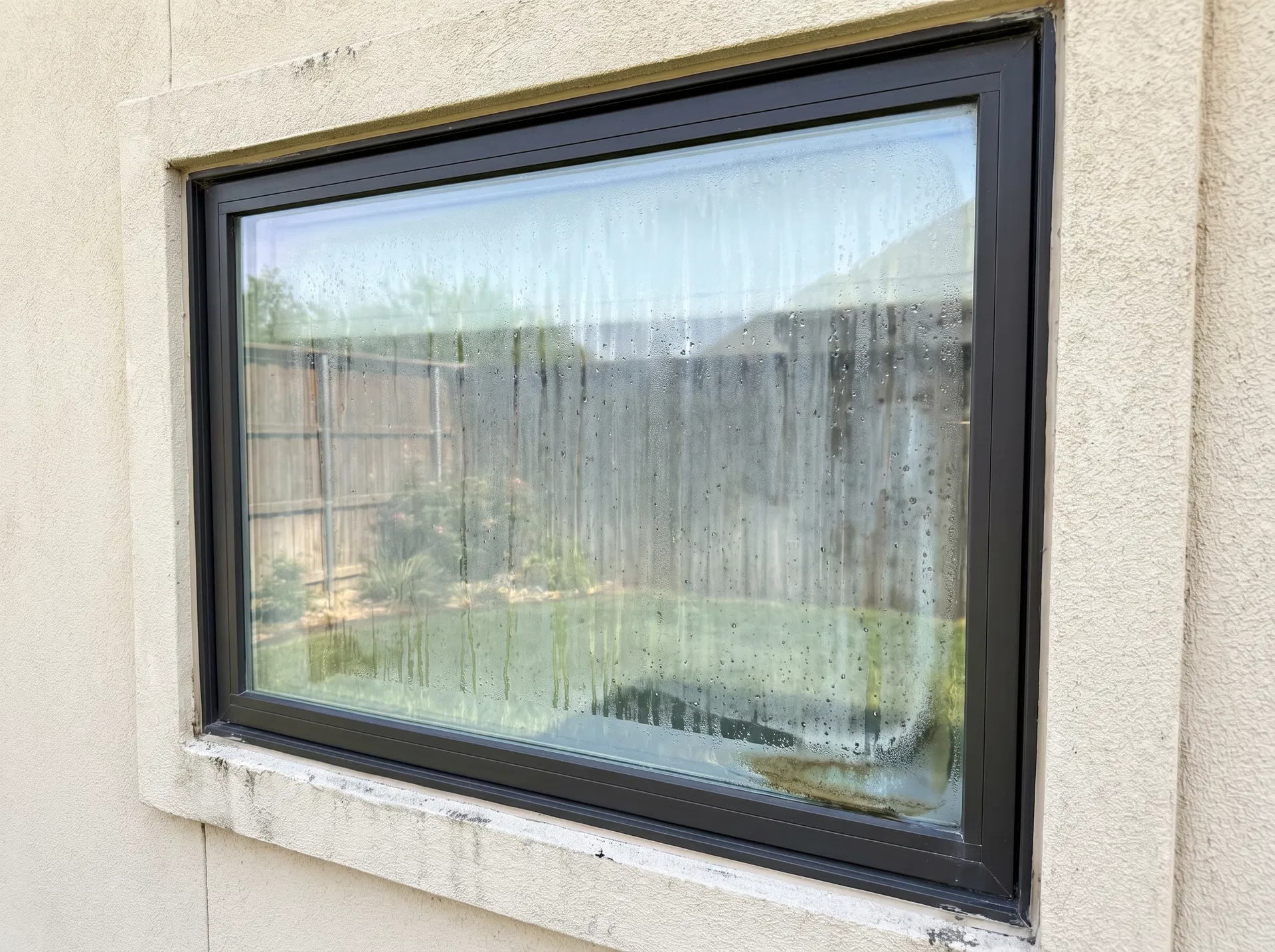
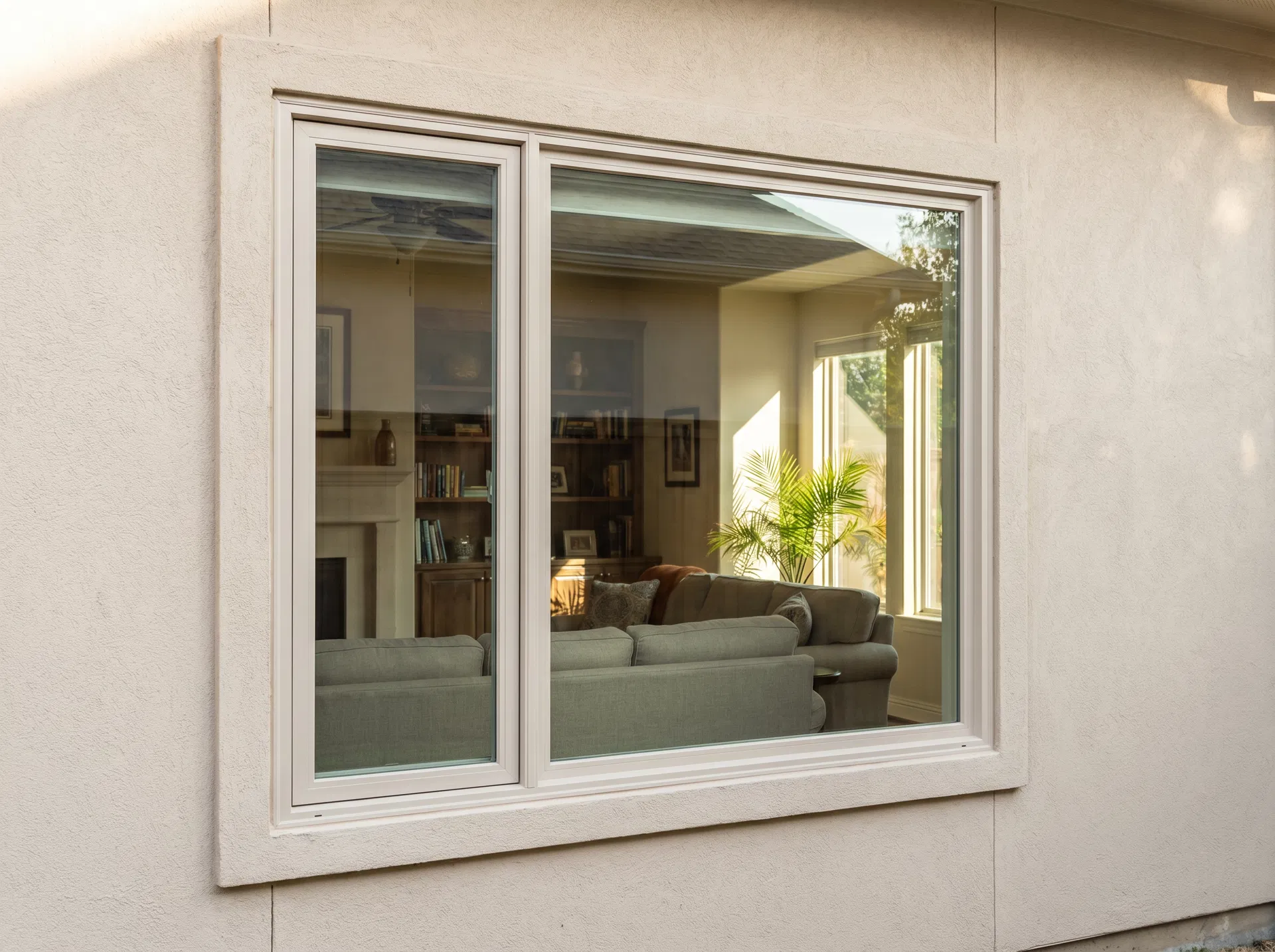
To truly appreciate the impact of replacing a failed, foggy window, it helps to see the transformation. Not only does a new IGU restore your clear view, but upgrading to Low-E glass also enhances the performance of the window without altering its appearance.
!Before Foggy Window Repair Before: A window with a failed seal, resulting in trapped condensation and a foggy, obstructed view.
!After Foggy Window Repair with Low-E Glass After: The same window after the IGU was replaced with a new, energy-efficient Low-E unit, restoring clarity and improving insulation.
Practical Advice for Homeowners
If you are dealing with foggy windows and considering your repair options, keep these practical tips in mind:
- Check Your Warranty: Before scheduling a repair, check if your windows are still under the manufacturer's warranty. Some warranties cover seal failures for a certain number of years, which could save you money on the replacement glass.
- Match Existing Windows: If you are only replacing the glass in one or two windows, you may want to ensure the new Low-E glass matches the tint and appearance of your existing windows. A professional glass replacement company can help you find the right match so your home's exterior looks uniform.
- Understand the Ratings: When discussing Low-E options, ask about the Solar Heat Gain Coefficient (SHGC) and U-factor. In Texas, a lower SHGC is ideal because it means the glass blocks more solar heat, keeping your home cooler.
- Don't Wait: A failed window seal not only looks bad but also compromises your home's energy efficiency. The longer you wait to replace the foggy glass, the more you will spend on heating and cooling costs as outside air infiltrates your home.
Conclusion
Replacing a foggy window is a necessary maintenance task, but it doesn't have to be just a repair—it can be an upgrade. By choosing to install Low-E glass when replacing your failed IGU, you can significantly improve your home's energy efficiency, enhance indoor comfort, and protect your interior from UV damage. Given the relatively small cost difference when you are already paying for the repair, upgrading to Low-E glass is a smart investment for any Texas homeowner.
If you are tired of looking through foggy glass and want to explore your replacement options, we are here to help. Contact Apex Windows TX today at (214) 263-3008 to schedule a consultation and learn more about how Low-E glass can benefit your home.
Need Foggy Glass Replacement in Your Area?
We provide expert foggy glass replacement and window repair across the Dallas-Fort Worth metroplex. Click your city below for local pricing, neighborhoods served, and FAQs:
About the Author
Alvin Paulson
Co-Owner & Lead Technician, Apex Windows & Glass
Alvin Paulson co-founded Apex Windows & Glass and brings over 30 years of hands-on expertise in foggy glass replacement, insulated glass unit (IGU) repair, and energy-efficient window upgrades. Born and raised in North Texas, Alvin has personally assessed and repaired thousands of windows across the Dallas-Fort Worth metroplex — from historic McKinney homes to new-build subdivisions in Frisco and Prosper. He is a licensed glazier and holds certifications in Low-E glass installation and argon gas window systems. Alvin's philosophy is simple: replace only what's broken, save the homeowner money, and back every job with a 10-year warranty.