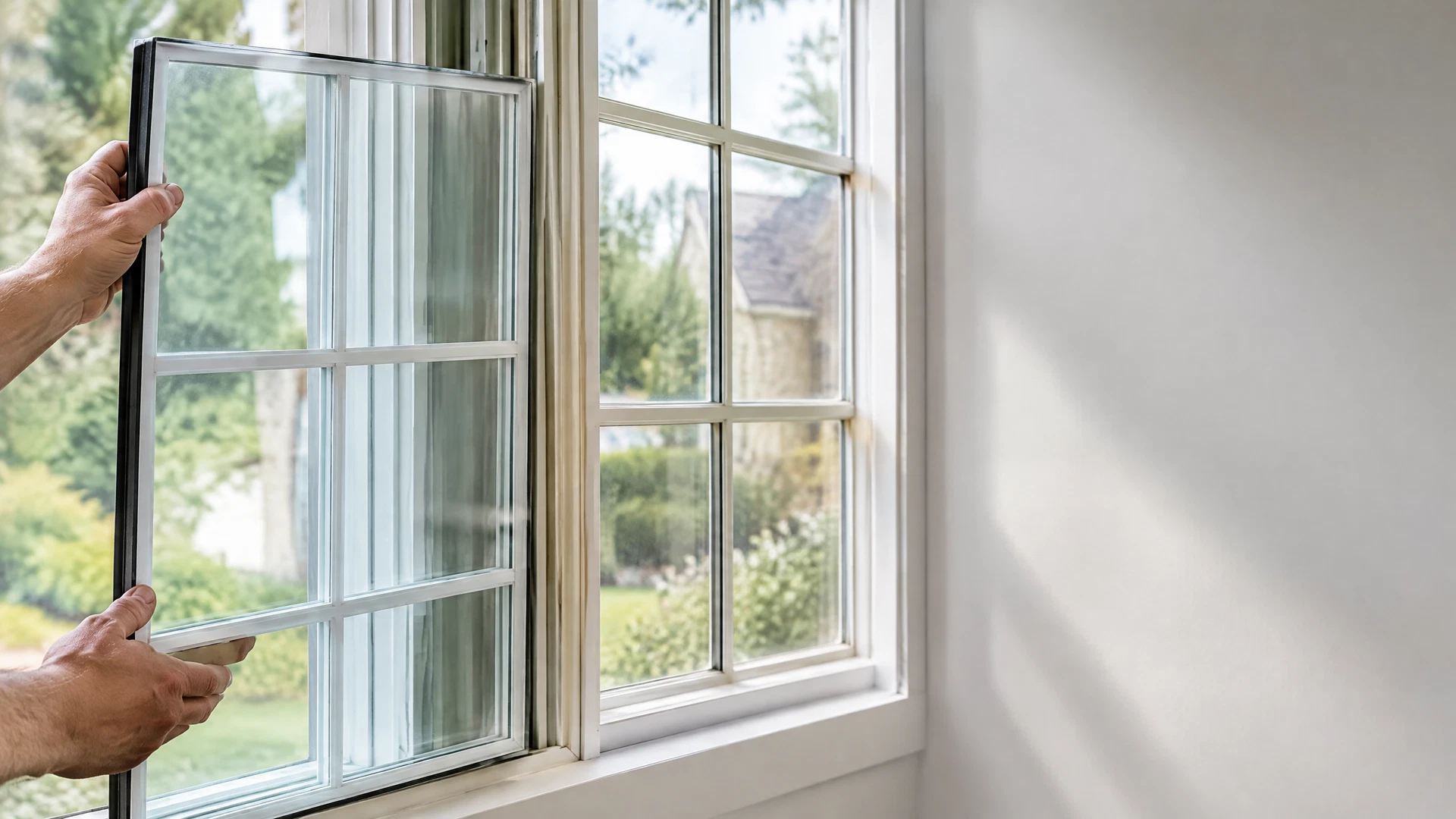
McKinney homeowners take pride in the architectural character of their residences, from historic downtown squares to modern developments. When a window fogs, the concern is often whether the entire system must be replaced, disrupting the home's aesthetic. For many McKinney properties, a glass-only replacement restores clarity while maintaining the original design. This involves replacing the failed insulated glass unit (IGU) while keeping the existing frame and sash. Achieving a seamless match requires attention to glass tint, grid patterns, and spacer materials.
Understanding the Insulated Glass Unit (IGU)
A modern window is not just a single sheet of glass. Most North Texas homes utilize insulated glass units, consisting of two or more panes separated by a spacer and sealed to create an airtight cavity. When the seal fails, moisture enters the space, leading to a hazy appearance that cannot be wiped away.
The Benefits of Glass-Only Replacement
The IGU is a self-contained component sitting within the frame. It can often be replaced without disturbing the surrounding frame or the home's exterior siding. When the frame and sash are in good condition, replacing only the glass allows you to maintain the exact color and profile of your windows. This targeted solution addresses the seal failure rather than replacing functional components that still have years of life remaining.
Matching the Glass Tint and Color
One visible aspect of a window is the glass tint. Over the years, coating technologies have evolved, and different brands use unique formulations for their Low-E coatings. If you replace a failed unit with glass that has a different tint, the window may appear darker or more reflective than its neighbors.
Evaluating Low-E and Glass Clarity
Low-E coatings reflect heat and are essential for McKinney's climate. When planning a replacement, identifying the type of coating used on the original windows ensures consistent light transmission. Additionally, standard glass has a slight green tint. If your original windows use high-clarity, low-iron glass, a standard replacement unit will look noticeably different.
Preserving Grid Patterns and Muntins
For many McKinney homes, the grid pattern is a defining feature. These grids can be located between the panes, permanently adhered to the surface, or removable. Matching these exactly is crucial for aesthetic continuity.
Grid Types and Profiles
Grids between the glass (GBG) are common in North Texas. When an IGU with internal grids fails, the new unit must be manufactured with grids matching the original color, width, and profile. If grids are on the exterior, the replacement process involves reattaching the original grid bars to the new pane. Even a slight mismatch in grid width can be jarring when viewed from the street.
Spacer Appearance and Hardware Consistency
The spacer holds the two panes of glass apart. While functional, its color and material are visible along the glass edge. Older windows often used shiny aluminum spacers, while modern windows use "warm edge" spacers made of foam, typically black or grey. If you have windows with silver spacers and install one with a black foam spacer, the difference will be noticeable. Matching the spacer is a key step in a high-quality matching window glass tint and grids replacement project.
The Importance of Precise Measurements
A successful glass-only replacement starts with accurate measurements. A replacement IGU must fit perfectly within the existing sash to ensure performance and aesthetics. The measurement includes the height, width, and overall thickness of the unit. If the new unit is even 1/16 of an inch too thick, the glazing beads may not snap back correctly. If it is too thin, the unit may rattle or fail to seal properly against the weatherstripping.
Checklist for Aesthetic Consistency
Use the following checklist to ensure your replacement plan maintains your home's original look.
| Feature | What to Check | Why It Matters |
|---|---|---|
| Glass Tint | Compare against a white paper held behind the glass. | Prevents mismatched window colors on the facade. |
| Grid Type | Internal vs. External (adhered). | Ensures the architectural style remains unchanged. |
| Grid Profile | Flat, contoured, or decorative shapes. | Maintains the correct shadow lines and dimensions. |
| Spacer Color | Silver, black, or grey materials. | Ensures the visible edges of the glass match other units. |
| Glass Type | Annealed, tempered, or laminated. | Important for safety and matching reflection quality. |
Assessing Frame and Sash Serviceability
While glass-only replacement is excellent for aesthetic preservation, it is only viable when the rest of the window is in good condition. Before proceeding, a thorough assessment of the entire window system is necessary.
Homeowners should ensure that window frames are not warped, cracked, or showing signs of rot. The sash should operate smoothly, and hardware like locks and balances should be fully functional. The glazing system and weatherstripping must be capable of providing a proper seal once the new glass is installed. If the frame itself is failing, a glass-only replacement may only be a temporary fix. For residents looking for more information on localized services, visiting our page on window services in McKinney can provide additional context.
Conclusion
Restoring window clarity doesn't have to mean changing the look of your McKinney home. By focusing on technical details like Low-E tint and grid alignment, you can achieve a repair that is virtually invisible. This approach preserves curb appeal and provides a cost-effective solution to seal failure.
How do I know if my glass tint matches?
Matching glass tint is most suitable done by comparing a sample against your existing windows during daylight. Manufacturers have specific codes for Low-E coatings, which help in identifying the correct replacement. A professional can also use a tint meter to measure the performance characteristics of your current glass to find a technical match.
Can I keep my original grids if they are on the outside of the glass?
Yes, if your windows have Simulated Divided Lites where grids are adhered to the exterior, these can often be removed from the old unit and reapplied to the new one. This requires precision to ensure the grids remain secure and look original.
Will the new glass be as energy-efficient as the old glass?
In most cases, a new replacement IGU will meet or exceed the energy efficiency of the original unit. Modern sealants and spacer technologies have improved, and you can choose to upgrade to a higher-performing Low-E coating or argon gas fill during the replacement process.
Is glass-only replacement possible for custom-shaped windows?
Yes, glass-only replacement is possible for arches, circles, and other custom shapes. These units require specialized templates to ensure the new glass fits the unique geometry of the existing frame. The process is more complex than standard rectangular units but preserves the look of custom architectural windows.
Need Foggy Glass Replacement in Your Area?
We provide expert foggy glass replacement and window repair across the Dallas-Fort Worth metroplex. Click your city below for local pricing, neighborhoods served, and FAQs:
About the Author
Alvin Paulson
Co-Owner & Lead Technician, Apex Windows & Glass
Alvin Paulson co-founded Apex Windows & Glass and brings over 30 years of hands-on expertise in foggy glass replacement, insulated glass unit (IGU) repair, and energy-efficient window upgrades. Born and raised in North Texas, Alvin has personally assessed and repaired thousands of windows across the Dallas-Fort Worth metroplex — from historic McKinney homes to new-build subdivisions in Frisco and Prosper. He is a licensed glazier and holds certifications in Low-E glass installation and argon gas window systems. Alvin's philosophy is simple: replace only what's broken, save the homeowner money, and back every job with a 10-year warranty.