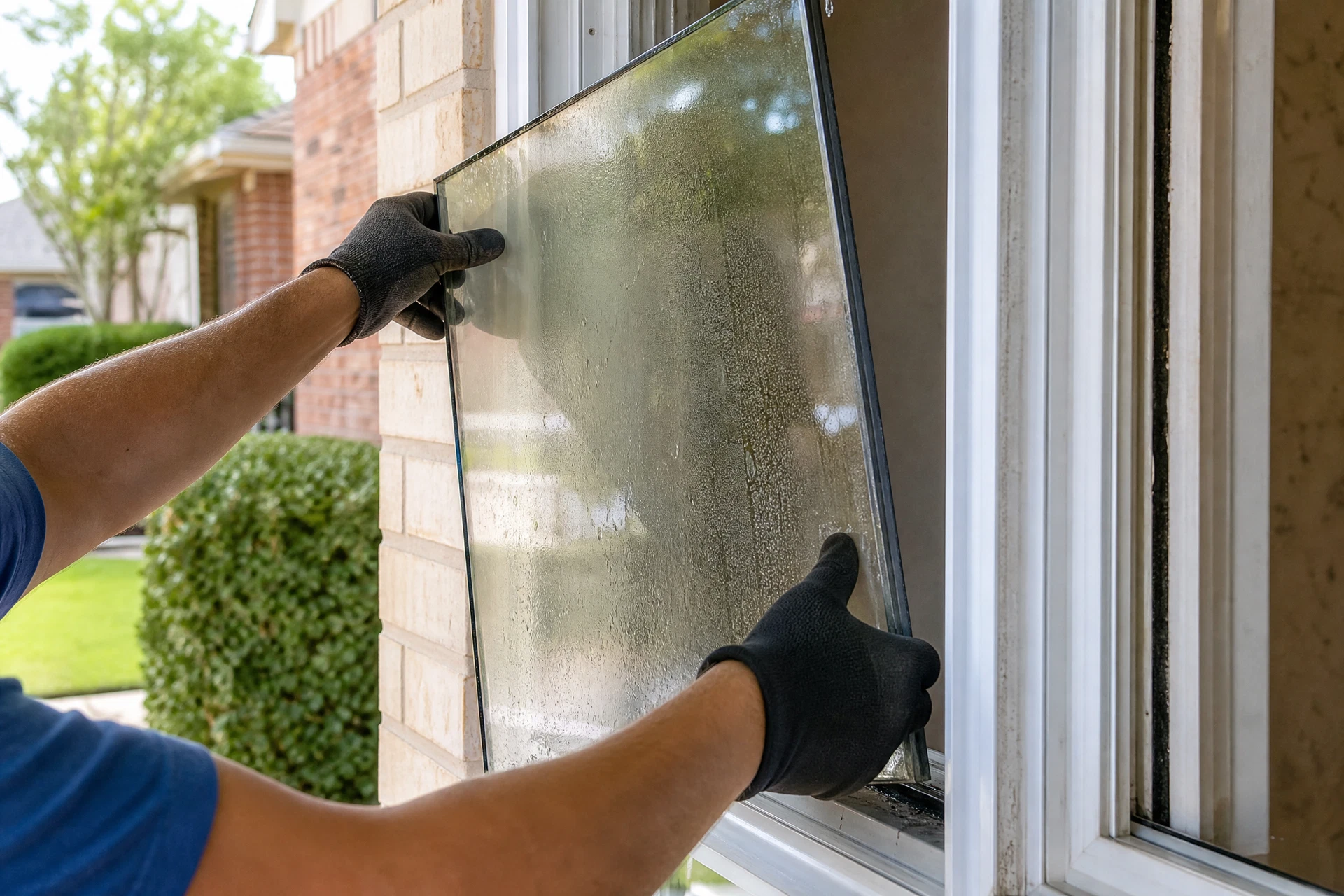
Most window seal problems start with a small clue that is easy to dismiss. A little fog appears one morning, then seems to disappear. A window looks slightly cloudy, but only when the sun hits it a certain way. Because these changes often develop slowly, many homeowners spend months trying to clean glass that is no longer dirty on the surface.
If you have double-pane windows, the real issue may be a failed seal inside the insulated glass unit. This checklist explains the most common signs, why they matter, and what practical steps to take next.
Why a Window Seal Fails
Double-pane windows are built with two panes of glass separated by a spacer and sealed around the edge. That sealed airspace helps reduce heat transfer and keeps moisture out. Over time, sun exposure, age, temperature swings, and weather can weaken the perimeter seal. Once the seal breaks, humid air can move into the space between the panes.
That is when visibility problems and efficiency losses usually begin.
10 Signs Your Window Seal Has
Failed
1. Fog Appears Between the Panes
This is the classic warning sign. Condensation on the inside or outside surface of a window can be normal under certain conditions. Condensation trapped between the panes is different. If you wipe both sides of the glass and the haze stays there, the moisture is likely inside the unit.
2. The Fog Is Worse in the Morning
Many failed seals become more obvious early in the day, especially after cool nights or humid weather. A homeowner may assume the problem has cleared up by afternoon, when the glass looks better, but that does not mean the seal recovered. It usually means conditions changed.
3. Water Droplets Form Inside the Glass
As seal failure progresses, light haze may turn into visible droplets between the panes. You may see moisture collecting near the bottom edge or scattered across the center of the glass. That is a strong sign the insulated space has been compromised.
4. A White Haze or Mineral Film Stays Behind
Repeated moisture cycles can leave residue on the inside surfaces of the glass. This may look like streaking, cloudiness, or a chalky film that standard glass cleaner cannot remove. If the marks remain after careful cleaning, the staining may be internal rather than surface-level.
5. The View Looks Slightly Distorted
Some failed seals are accompanied by subtle distortion. Straight lines outside may look wavy, or reflections may seem warped at certain angles. That can happen when pressure changes inside the glass unit affect how the panes sit.
6. The Area Near the Window Feels Drafty
A failed glass seal is not exactly the same as air leaking around the frame, but homeowners often notice comfort changes near the window. If the area feels much hotter in summer or cooler in winter than nearby walls, the insulated glass may no longer be performing properly.
7. Your Energy Bills Start Climbing
When several insulated windows lose efficiency, your HVAC system may run longer to maintain indoor comfort. Higher utility costs can have many causes, but if they happen alongside foggy glass, seal failure deserves a closer look.
8. One Room Is Harder to Keep Comfortable
Pay attention to rooms with large windows, west-facing glass, or strong sun exposure. If one bedroom, office, or living area feels consistently less comfortable than the rest of the house, the windows in that space may have lost insulating value.
9. The Windows Are More Than 10 to 15 Years Old
Age does not guarantee failure, but it increases the odds. Daily expansion and contraction place stress on seals year after year. If your windows are older and you are seeing haze, droplets, or distortion, seal failure becomes much more likely.
10. Caulk or Frame Areas Show Wear
Cracked exterior caulk, peeling finish, or moisture-related wear around the frame does not automatically prove the glass seal has failed, but it can signal that the whole window assembly has been under stress. It is smart to inspect the frame and glass together.
A Simple Checklist for Homeowners
Clean First
Wipe both sides of the glass with a normal glass cleaner. This helps confirm whether the cloudiness is truly trapped between the panes.
Compare Similar Windows
Look at nearby windows on the same side of the house. If one or two look foggier than the others, that is useful evidence that the issue is specific to those insulated units.
Watch for a Pattern
Take a photo when the haze appears. If the same window looks worse after humidity, rain, or cool mornings, you are likely seeing seal failure rather than a one-time condensation event.
Before and After Reference
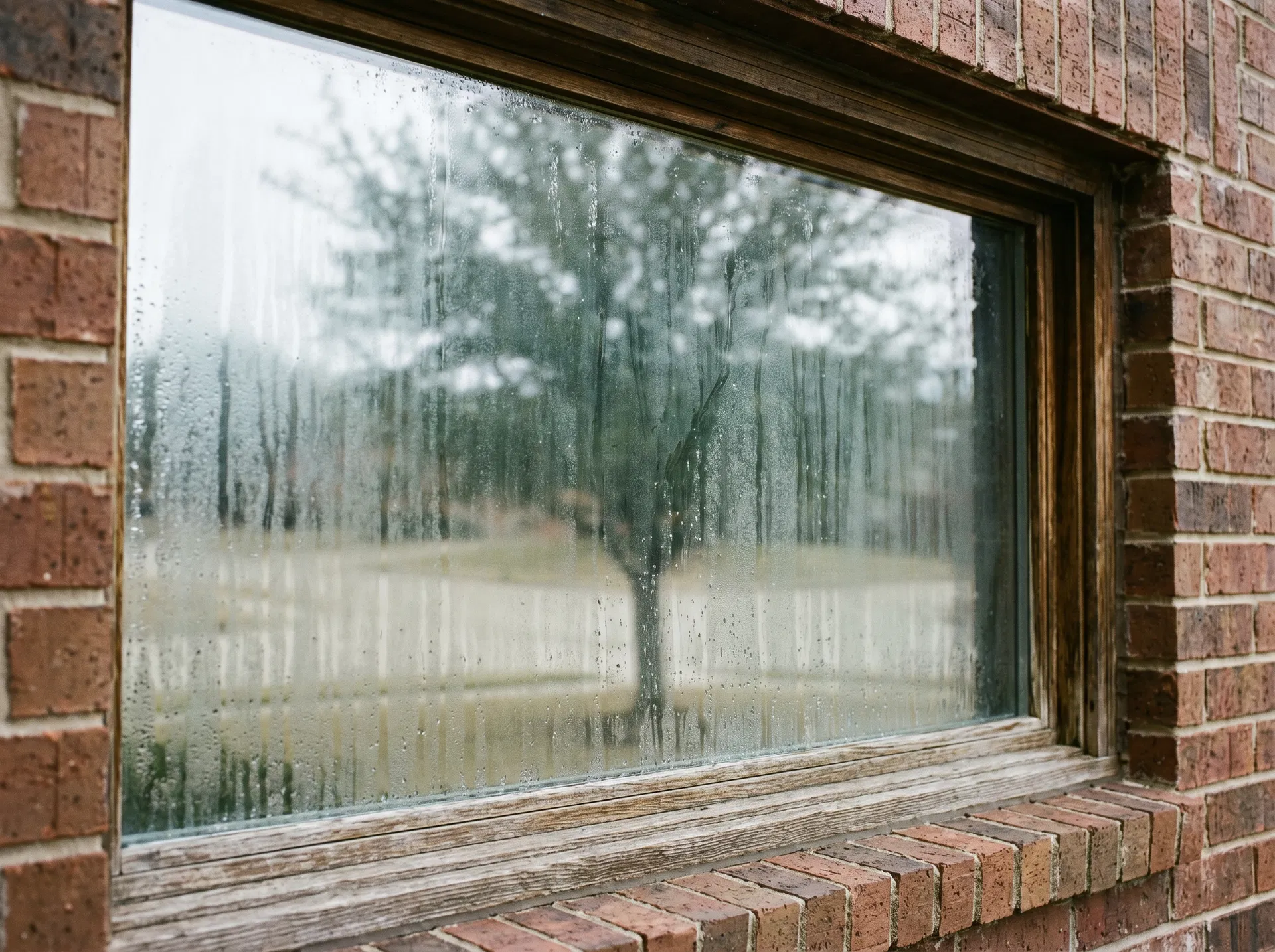
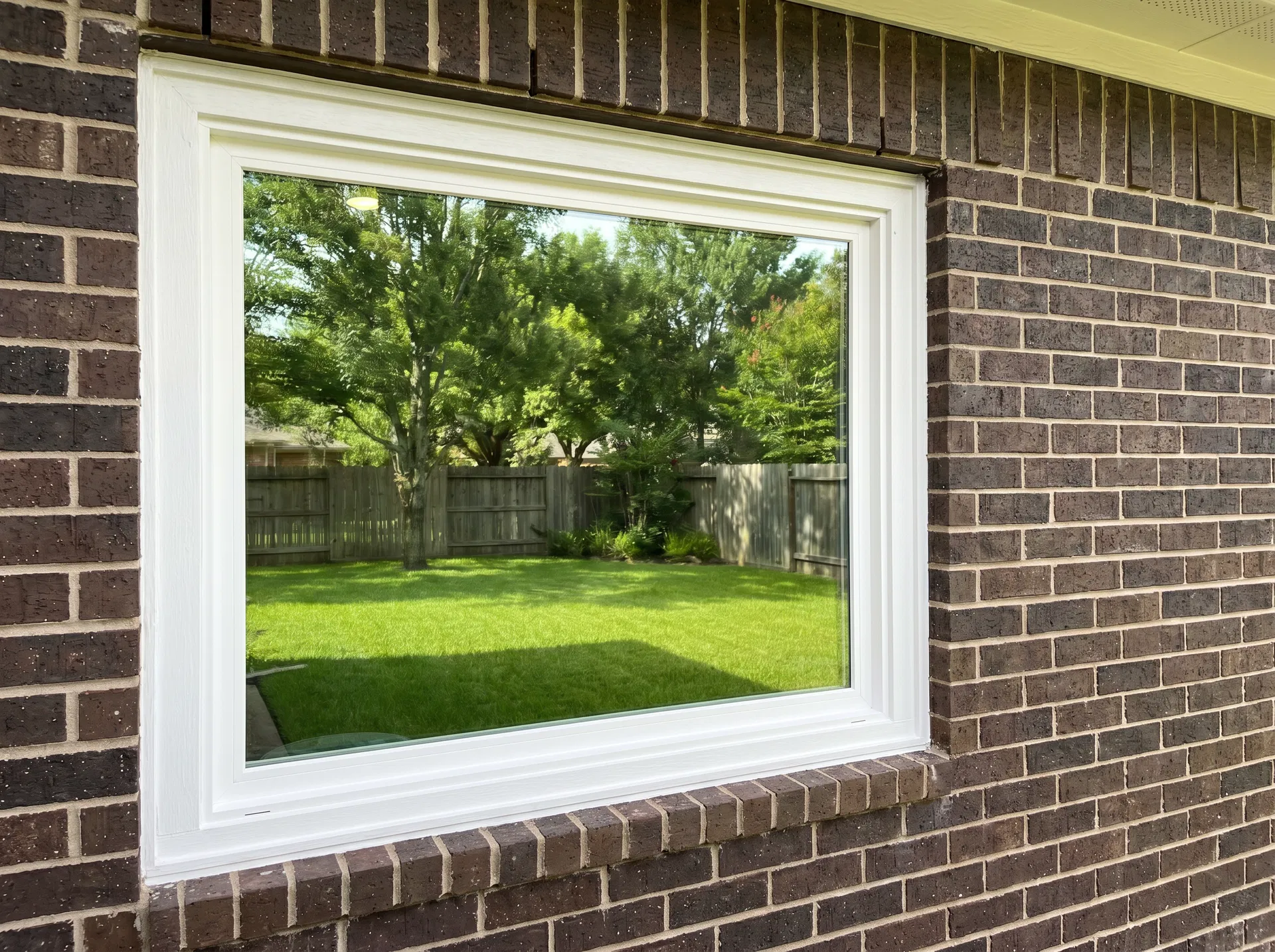
These images show how much visibility can change when foggy insulated glass is replaced.
!Before foggy window glass Before: haze and trapped moisture from a failed seal.
!After replacement glass After: clear glass with visibility restored.
What to Do Next
If several items on this checklist match what you are seeing, avoid wasting time with repeated cleaning attempts. Surface cleaners cannot fix moisture trapped inside the insulated unit. A better next step is to confirm whether the glass itself has failed and whether only the insulated glass needs replacement.
For more background, homeowners can read about foggy glass repair. Local readers should also know that McKinney homeowners can get a professional seal assessment when they want a clearer diagnosis.
Final Takeaway
A failed window seal usually reveals itself through a combination of clues: fog between panes, droplets, mineral haze, slight distortion, comfort changes, and age-related wear. Catching those signs early helps you make a smarter decision about maintenance and repair before the glass becomes more permanently stained.
If you want help evaluating cloudy or foggy windows, Apex Windows TX can walk you through the condition of the glass and your options. Call (214) 263-3008 to schedule an assessment and get clear answers about what your windows need.
Printable checklist: fog between panes, morning fogging, water droplets, white haze, distorted view, drafts, higher bills, uncomfortable room, older windows, worn caulk or frame areas.
Need Foggy Glass Replacement in Your Area?
We provide expert foggy glass replacement and window repair across the Dallas-Fort Worth metroplex. Click your city below for local pricing, neighborhoods served, and FAQs:
About the Author
Alvin Paulson
Co-Owner & Lead Technician, Apex Windows & Glass
Alvin Paulson co-founded Apex Windows & Glass and brings over 30 years of hands-on expertise in foggy glass replacement, insulated glass unit (IGU) repair, and energy-efficient window upgrades. Born and raised in North Texas, Alvin has personally assessed and repaired thousands of windows across the Dallas-Fort Worth metroplex — from historic McKinney homes to new-build subdivisions in Frisco and Prosper. He is a licensed glazier and holds certifications in Low-E glass installation and argon gas window systems. Alvin's philosophy is simple: replace only what's broken, save the homeowner money, and back every job with a 10-year warranty.