Moving into a new construction home in the Dallas-Fort Worth metroplex is an exciting milestone. Everything is brand new, from the roof to the foundation, and you expect your home's components to last for decades. However, many homeowners are unpleasantly surprised when, just eight to twelve years after moving in, their windows begin to look cloudy, hazy, or permanently dirty. This phenomenon, known as foggy glass or seal failure, is increasingly common in newer subdivisions across North Texas.
If you are dealing with condensation trapped between the panes of your relatively new windows, you are not alone. Understanding why these modern windows fail sooner than expected can help you make informed decisions about maintenance and repairs. The premature failure of these windows is typically the result of a combination of factors, including the use of builder-grade materials, rushed installation practices during construction booms, and the unique environmental challenges of the DFW region.
The Reality of Builder-Grade Windows
When developers build new subdivisions, they are often working under strict budgets and tight margins. To keep the overall cost of the home competitive, builders frequently opt for "builder-grade" materials. While these materials meet minimum building code requirements, they are not designed for maximum longevity or premium performance.
Cost-Cutting on Materials
Builder-grade windows are typically manufactured with cost-efficiency as the primary goal. This often means using thinner glass panes, less durable spacer materials, and lower-quality sealants. The spacer is the component that separates the two panes of glass in a double-pane window, and the sealant is what keeps the insulating gas inside and the moisture out. When inferior sealants are used, they degrade much faster under the stress of daily temperature changes. As the sealant breaks down, moisture-laden air from the outside environment seeps into the space between the panes, leading to the foggy appearance that obscures your view.
Rushed Installation During Construction Booms
The Dallas-Fort Worth area has experienced massive population growth and a corresponding housing boom over the last decade. To keep up with demand, construction crews often work at a blistering pace. Unfortunately, this speed can sometimes come at the expense of precision. Proper window installation requires careful leveling, shimming, and sealing to ensure that the window frame does not place undue stress on the glass unit. If a window is installed slightly out of square or if the framing is rushed, the window unit is subjected to uneven pressure. Over time, this mechanical stress can cause the seals to warp and eventually break, allowing moisture to penetrate the insulated glass unit long before the window reaches its expected lifespan.
The Impact of North Texas Soil and Foundation Settling
The environmental conditions in North Texas play a significant role in the lifespan of your home's windows. One of the most notorious challenges of building in the DFW metroplex is the expansive clay soil that dominates the region.
How Shifting Affects Window Frames
Clay soil acts like a sponge. During the rainy spring season, the soil absorbs water and expands significantly. During the scorching, dry summers, the soil loses moisture and shrinks, causing the ground to crack and settle. This constant expansion and contraction cause the foundation of a home to shift and settle over time. While modern foundations are engineered to handle a certain degree of movement, this shifting translates up through the framing of the house.
As the walls move, the window openings can become slightly distorted. The rigid glass panes cannot bend, so the stress is transferred directly to the flexible seals holding the insulated glass unit together. For Murphy homeowners in newer subdivisions experiencing early seal failure, this foundation movement is often a primary culprit. The continuous micro-movements of the house gradually weaken the window seals until they fail completely, resulting in foggy glass.
The Texas Heat and Thermal Pumping
In addition to soil movement, the extreme temperature fluctuations in North Texas put immense strain on double-pane windows. This process is known in the window industry as "thermal pumping."
During a typical Texas summer day, the sun beats down on your windows, causing the glass and the air trapped between the panes to heat up and expand. This expansion pushes outward against the window seals. As the sun sets and the temperature drops, the glass and the trapped air cool and contract, pulling inward on the seals. This daily cycle of expansion and contraction acts like a slow-motion pump. Over the course of eight to twelve years, this relentless thermal pumping fatigues the seals, especially if they are made from the lower-quality materials typical of builder-grade windows. Once the seal is compromised, the window draws in humid outside air during the cooling cycle, leading to condensation and mineral deposits inside the glass.
Signs Your New Windows Are Failing
It is important to recognize the early signs of seal failure so you can address the issue before it affects your home's energy efficiency and curb appeal. The most obvious sign is condensation that you cannot wipe away from the inside or the outside of the glass. Initially, this fog may only appear during certain times of the day or during extreme temperature swings.
Over time, the moisture will evaporate, leaving behind a hazy residue of silica and calcium deposits on the inside of the glass. This creates a permanently dirty appearance that no amount of cleaning can fix. You might also notice a decrease in your home's energy efficiency, as the insulating gas has escaped, forcing your HVAC system to work harder to maintain a comfortable indoor temperature.
What You Can Do About Early Seal Failure
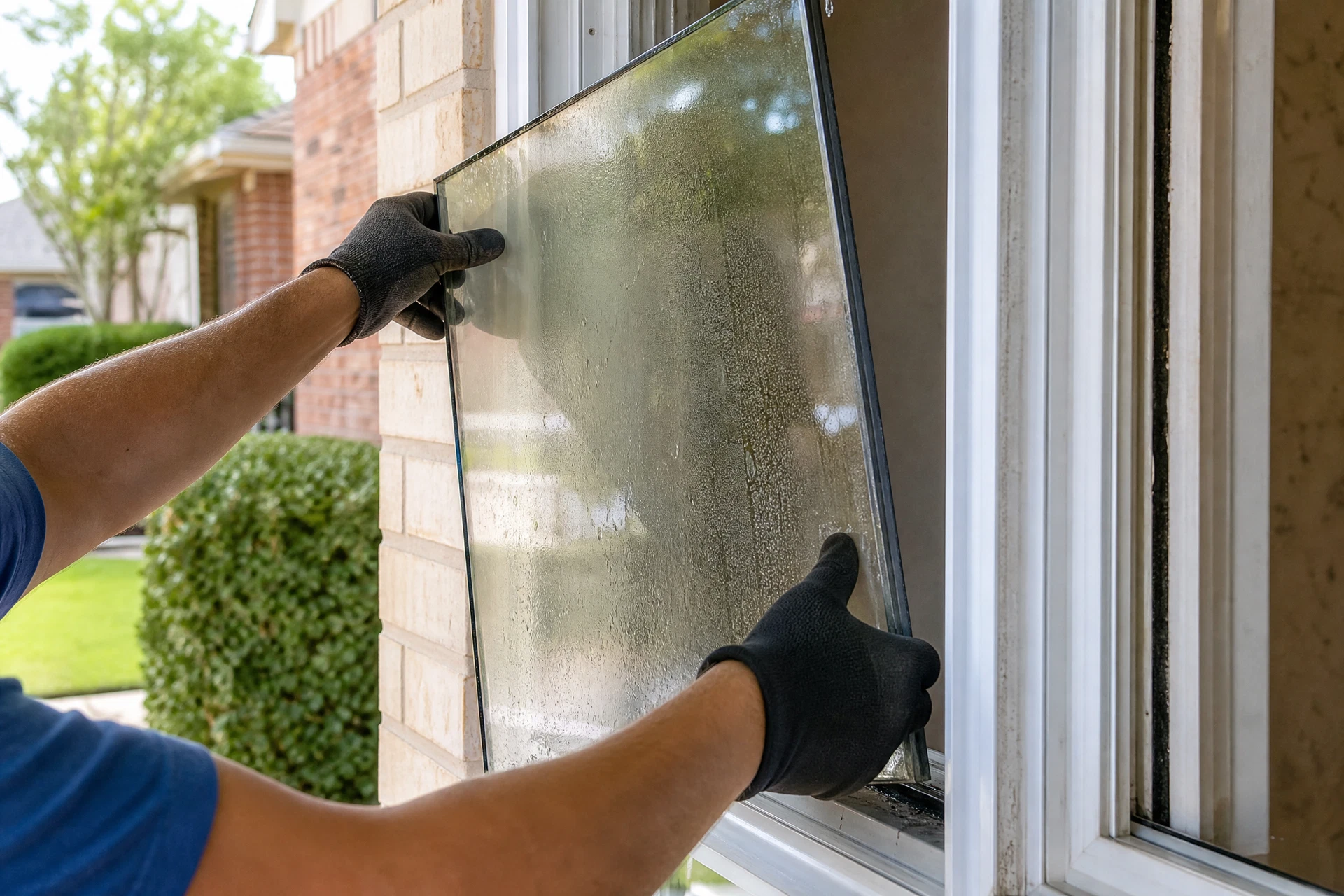
If you are dealing with foggy windows in your relatively new home, you might assume that you need to replace the entire window unit, including the frame. Fortunately, this is rarely the case. Because the issue is isolated to the insulated glass unit (IGU) and the seals, the most cost-effective and practical solution is to replace just the glass.
By opting for professional foggy glass repair, you can restore the clarity and energy efficiency of your windows without the mess, expense, and disruption of a full window replacement. A professional technician can carefully remove the failed glass unit from your existing frame and install a new, high-quality insulated glass unit with superior seals designed to withstand the Texas climate.
Practical Advice for Homeowners
To maximize the lifespan of your windows, consider the following maintenance tips:
- Monitor Your Foundation: Keep the soil around your foundation consistently watered during dry spells to minimize extreme soil contraction. This can reduce the stress transferred to your window frames.
- Inspect Caulking: Regularly check the exterior caulking around your window frames. Replacing cracked or missing caulk can prevent water intrusion that might degrade the window frame and put pressure on the glass seals.
- Ensure Proper Drainage: Make sure your gutters and downspouts are directing water away from your foundation to prevent excessive soil expansion near your walls.
Before and After: Restoring Clarity
Seeing the difference that professional glass replacement can make is often the best way to understand the value of this service. Below is an example of a window that suffered from severe seal failure, followed by the clear, restored view after the glass unit was replaced.
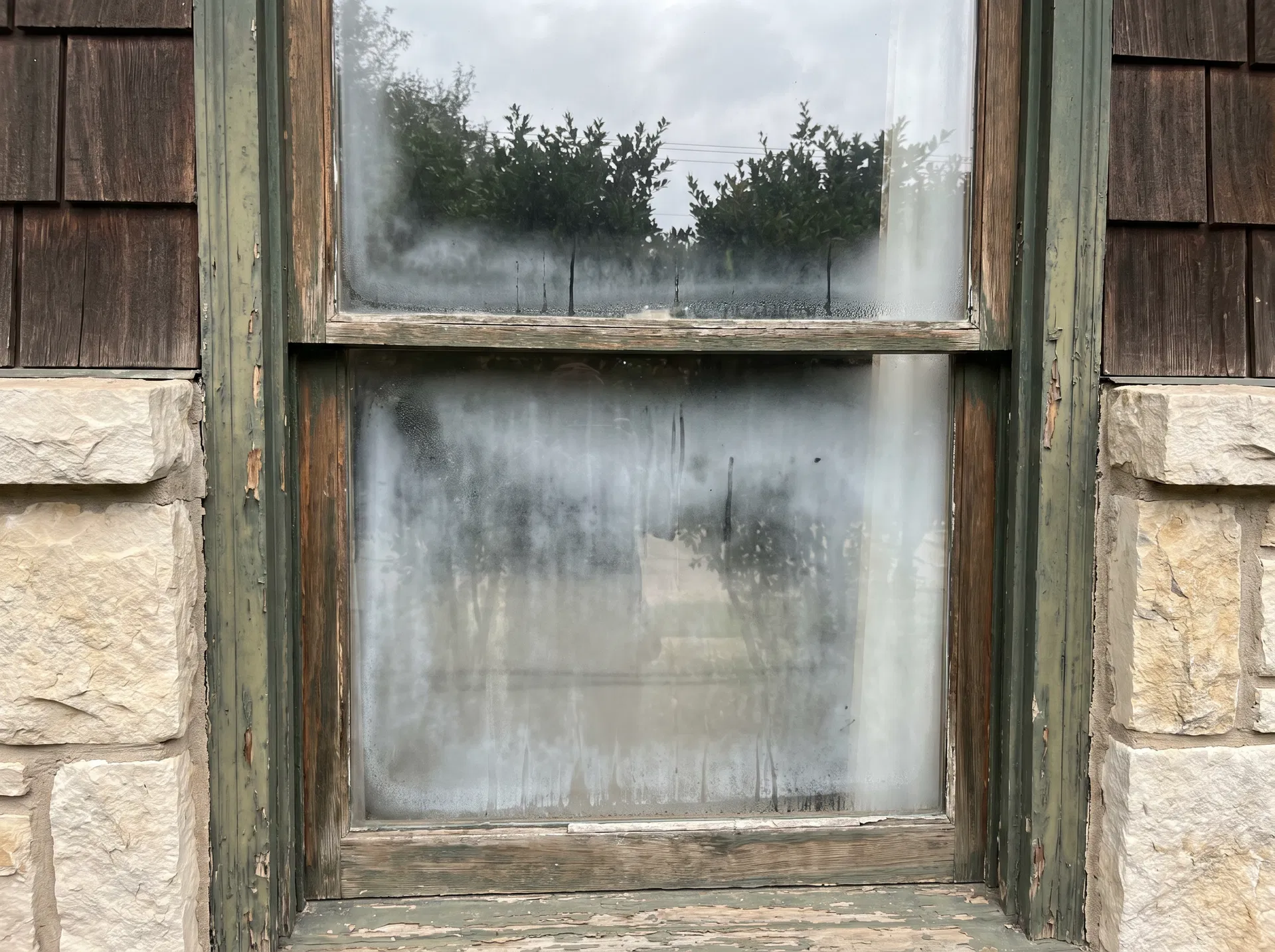
Before: A builder-grade window suffering from early seal failure, resulting in a cloudy, obstructed view.
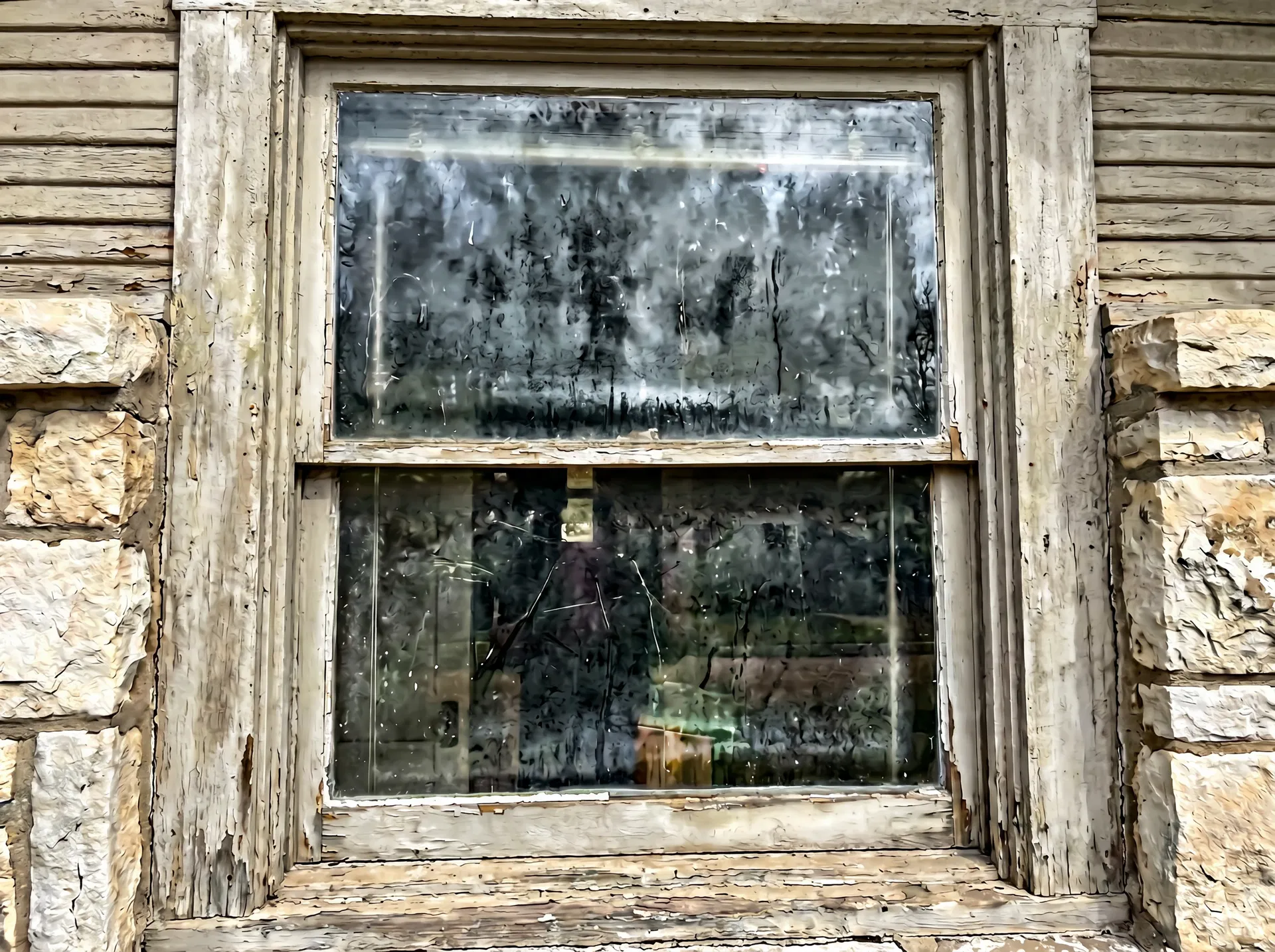
After: The same window frame with a newly installed, high-quality insulated glass unit, restoring perfect clarity.
Conclusion and Next Steps
Discovering that the windows in your new construction home are failing prematurely can be frustrating. However, understanding that this is a common issue caused by builder-grade materials, rapid installation, foundation settling, and the harsh Texas climate can help you navigate the solution. You do not have to live with foggy, inefficient windows, nor do you have to pay for a complete window replacement.
If you are tired of looking through cloudy glass and want to restore the beauty and efficiency of your home, professional glass replacement is the smart choice. Contact Apex Windows TX today to schedule an assessment of your failing windows. Call us at (214) 263-3008 to speak with our experts and get your view back to crystal clear.
Need Foggy Glass Replacement in Your Area?
We provide expert foggy glass replacement and window repair across the Dallas-Fort Worth metroplex. Click your city below for local pricing, neighborhoods served, and FAQs:
About the Author
Alvin Paulson
Co-Owner & Lead Technician, Apex Windows & Glass
Alvin Paulson co-founded Apex Windows & Glass and brings over 30 years of hands-on expertise in foggy glass replacement, insulated glass unit (IGU) repair, and energy-efficient window upgrades. Born and raised in North Texas, Alvin has personally assessed and repaired thousands of windows across the Dallas-Fort Worth metroplex — from historic McKinney homes to new-build subdivisions in Frisco and Prosper. He is a licensed glazier and holds certifications in Low-E glass installation and argon gas window systems. Alvin's philosophy is simple: replace only what's broken, save the homeowner money, and back every job with a 10-year warranty.